Rock music has long been a language of rebellion, identity, and cultural expression. While iconic bands from the United States and the United Kingdom often dominate global conversations, there exists a rich, underexplored scene in the countries of the former Yugoslavia. Ex-Yugoslav rock, spanning from the 1970s through the 1990s, reflects a unique confluence of Western influence, local traditions, and political circumstance, producing sounds that resonate far beyond regional borders. Despite operating in a complex and sometimes restrictive environment, musicians from this region crafted music that continues to influence artists worldwide, proving that innovation and authenticity are not bound by geography.
The Cultural Landscape of Ex-Yugoslav Rock

The Socialist Federal Republic of Yugoslavia, which existed from 1945 to 1992, occupied a distinctive position during the Cold War. Unlike other Eastern Bloc countries, it maintained relative openness to Western culture. Western rock and pop albums could circulate, radio broadcasts reached cities across the federation, and youth had access to trends in fashion, music, and ideology from abroad.
This openness allowed rock music to flourish as both artistic expression and social commentary. Bands and artists absorbed influences ranging from progressive rock and punk to new wave and heavy metal, while blending them with local languages, folk motifs, and regional storytelling. The result was a music scene that was at once familiar to Western ears yet distinctly rooted in the ex-Yugoslav experience. Music became a platform for dialogue about identity, politics, and youth culture, enabling bands to articulate both universal themes and deeply local concerns.
Pioneers of the Scene
The 1970s saw the rise of foundational rock acts across Yugoslavia. Bands such as Bijelo Dugme, Smak, and Time brought professional musicianship, theatrical performances, and ambitious compositions to audiences hungry for both entertainment and cultural commentary. Bijelo Dugme, often compared to Led Zeppelin in terms of regional impact, fused rock riffs with Balkan folk elements, creating a sound that was powerful, energetic, and uniquely local.
Meanwhile, progressive rock acts like Smak experimented with complex rhythms, virtuosic instrumentation, and conceptual albums, reflecting a commitment to artistic exploration that rivaled contemporaries across Europe. These pioneers laid the groundwork for the 1980s wave of innovation, demonstrating that ex-Yugoslav musicians could compete creatively on a global stage even within limited commercial and technological infrastructure.
The New Wave Revolution
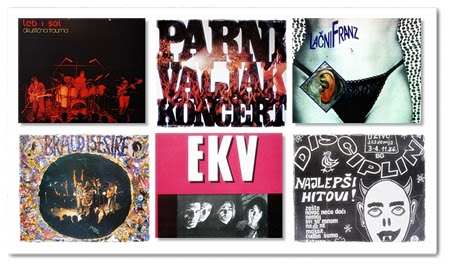
The late 1970s and 1980s brought a surge of new wave, punk, and post-punk energy to Yugoslavia, echoing trends in the UK, Germany, and the United States. Bands such as Haustor, Električni Orgazam, and Idoli captured a sense of youthful urgency and sociopolitical awareness. Their music combined catchy melodies with sharp lyrics that reflected contemporary anxieties, humor, and irony.
New wave in ex-Yugoslavia often transcended simple imitation. Many bands incorporated traditional instruments, regional storytelling, and local slang, crafting a sound that was culturally specific yet globally resonant. This blending of influences created a hybrid identity for the music, allowing it to speak to both local fans and international audiences seeking fresh perspectives in rock. The era demonstrated that innovation does not require massive production budgets or global record deals — it requires creativity, authenticity, and a willingness to experiment.
Navigating Political Tension
Ex-Yugoslav rock was not created in a vacuum. The political climate, marked by socialism, federalism, and eventual fragmentation, shaped both the content and reception of music. Artists often had to navigate censorship, state sponsorship, and the delicate balance of expressing dissent without provoking repression.
This context gave rise to music that was subversive, poetic, and nuanced. Lyrics often contained layered meanings, addressing societal issues indirectly through metaphor, allegory, or humor. Bands like Riblja Čorba and Azra became known not only for musical skill but also for their clever and critical engagement with authority. The ability to create art under such conditions cultivated a sense of intellectual depth and emotional authenticity that continues to resonate with listeners worldwide.
Regional Diversity and Cross-Pollination
Ex-Yugoslav rock was never monolithic. Each republic contributed unique cultural elements to the broader scene. Croatian bands often emphasized melodic composition and new wave sophistication, Serbian acts leaned into hard rock and punk energy, while Slovenian musicians experimented with progressive textures and avant-garde structures.
Touring, festivals, and radio programs facilitated cross-pollination across the federation. Musicians learned from each other, collaborated, and absorbed regional folk traditions, creating a tapestry of sounds that was diverse, innovative, and remarkably cohesive. This cultural synthesis produced music that, while rooted in a specific geography, carried universal appeal through its experimentation, emotional depth, and melodic inventiveness. Fans often celebrate this rich musical heritage while showing national pride, choosing comfortable and expressive apparel like men’s patriotic hoodies to reflect both style and identity.
International Recognition and Influence

Despite linguistic and geopolitical barriers, ex-Yugoslav rock gained attention beyond its borders. Albums were exported to Western Europe, bands played international festivals, and critics began to notice the originality of the music. The fusion of local and global influences offered fresh perspectives in a global rock landscape often dominated by Anglo-American trends.
Influence can also be traced in reverse: Western audiences and musicians drew inspiration from the Balkan approach to rhythm, melody, and narrative. The use of odd meters, traditional motifs, and lyrical storytelling has informed contemporary world music, indie rock, and even electronic productions. Ex-Yugoslav rock may not have dominated charts globally, but its creative contributions reverberated far beyond its immediate audience, enriching the global music scene with distinct textures and ideas.
Legacy and Resurgence
Even after the breakup of Yugoslavia in the 1990s, the legacy of this musical era persists. Contemporary artists across the Balkans continue to reference, reinterpret, and celebrate the sounds of the Golden Age of ex-Yugoslav rock. Vinyl records, remastered albums, and online streaming have introduced new generations to bands whose music might have been geographically or politically constrained in their time.
Festivals, tribute bands, and documentaries have further cemented the cultural memory of ex-Yugoslav rock. International audiences, increasingly seeking alternatives to mainstream Western rock, have discovered its raw energy, inventive fusion, and emotionally resonant lyrics. This resurgence highlights the enduring power of music that is rooted in both authenticity and experimentation.
Why It Holds Its Own Globally
Several factors explain why ex-Yugoslav rock remains relevant on the global stage. First, it blends global and local influences in ways that feel both familiar and innovative. Its integration of folk motifs, regional languages, and storytelling traditions creates a texture that is distinctive yet accessible. Second, the political and cultural context of the music imbues it with depth; the art was forged in conditions that demanded creativity, resilience, and subtlety. Third, the musicianship and compositional innovation are on par with international standards, demonstrating technical skill and artistic vision.
Together, these factors allow ex-Yugoslav rock to resonate with audiences beyond its immediate geography, proving that powerful music is not confined to commercial centers or dominant languages. Its authenticity, creativity, and historical context give it a timeless quality that continues to inspire listeners and musicians alike.
Conclusion: The Enduring Power of Creativity
Ex-Yugoslav rock is a testament to the enduring power of artistic innovation under constraints. It demonstrates that creativity thrives not only in centers of wealth or global influence but also in regions shaped by cultural diversity, political complexity, and a drive for expression. From the pioneering bands of the 1970s to the new wave innovators of the 1980s and beyond, this music reflects a blend of resilience, experimentation, and emotional honesty.
On the global stage, ex-Yugoslav rock holds its own not through marketing muscle or commercial dominance, but through the intrinsic strength of its music: innovative, emotive, and unapologetically authentic. In celebrating this scene, listeners are reminded that the best art transcends borders, language, and time, offering insight, connection, and inspiration. The story of ex-Yugoslav rock is a story of how music, when rooted in both cultural specificity and universal human experience, can truly stand out under the radar and yet shine globally.