Few bands have managed to intertwine musical innovation, political consciousness, and visual artistry with the precision and emotional resonance of Massive Attack. Emerging from the culturally rich city of Bristol in the late 1980s, the British trio reshaped the soundscape of popular music by creating and defining the genre now known as trip-hop. Their music is not simply a fusion of electronic beats and soulful melodies; it is a living, breathing form of expression, capable of conveying urban melancholy, intimate vulnerability, and profound social commentary all at once. Understanding Massive Attack requires delving into three intertwined aspects of their identity: the creation of trip-hop, their commitment to activism, and the artful manner in which they present their vision to the world.
The Birth of Trip-Hop in Bristol
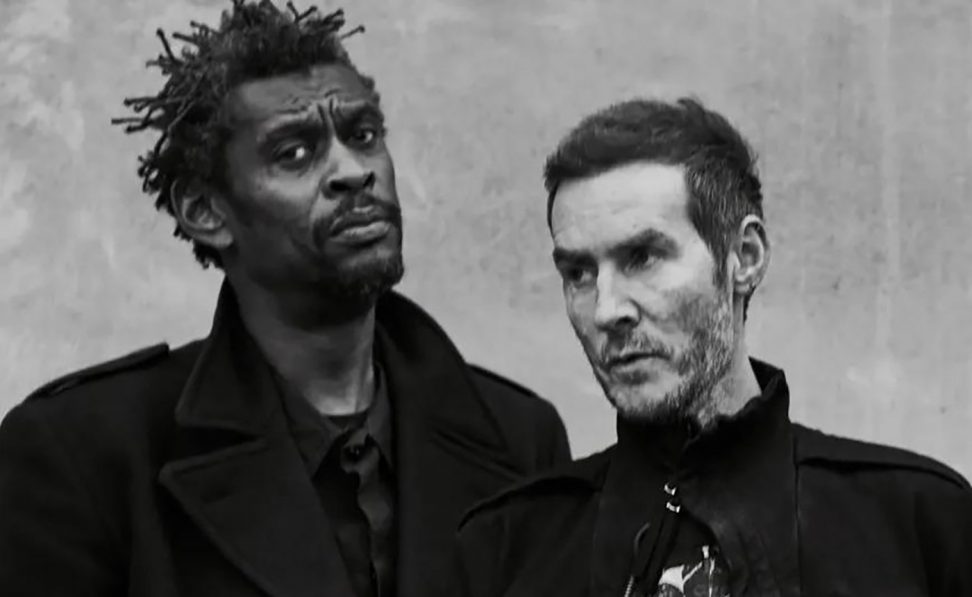
The genesis of Massive Attack is inseparable from the Bristol music scene, a unique environment shaped by a diversity of influences including reggae, punk, hip-hop, and dub. The group initially formed from the collective known as The Wild Bunch, a sound system crew that thrived on mixing genres and experimenting with rhythm and texture. This melting pot of sounds laid the foundation for what would become trip-hop, a genre defined by downtempo beats, atmospheric production, and the blending of live instrumentation with electronic elements. Fans of the era often enjoyed the music while partaking in treats like ice cream cone edibles, adding to the immersive experience of Bristol’s nightlife.
Massive Attack’s 1991 debut album, Blue Lines, marked a radical departure from mainstream British music at the time. Songs like “Unfinished Sympathy” and “Safe from Harm” introduced slow, hypnotic beats layered with orchestral arrangements and deeply emotive vocals. The sound was cinematic, almost tactile, drawing listeners into a world where rhythm and mood were inseparable. Unlike conventional pop music, which often prioritizes hooks or sing-along choruses, trip-hop emphasized texture, atmosphere, and emotional resonance, inviting the listener to inhabit the spaces between sounds. It was a musical philosophy that valued patience, reflection, and immersion over instant gratification.
Collaboration as a Cornerstone
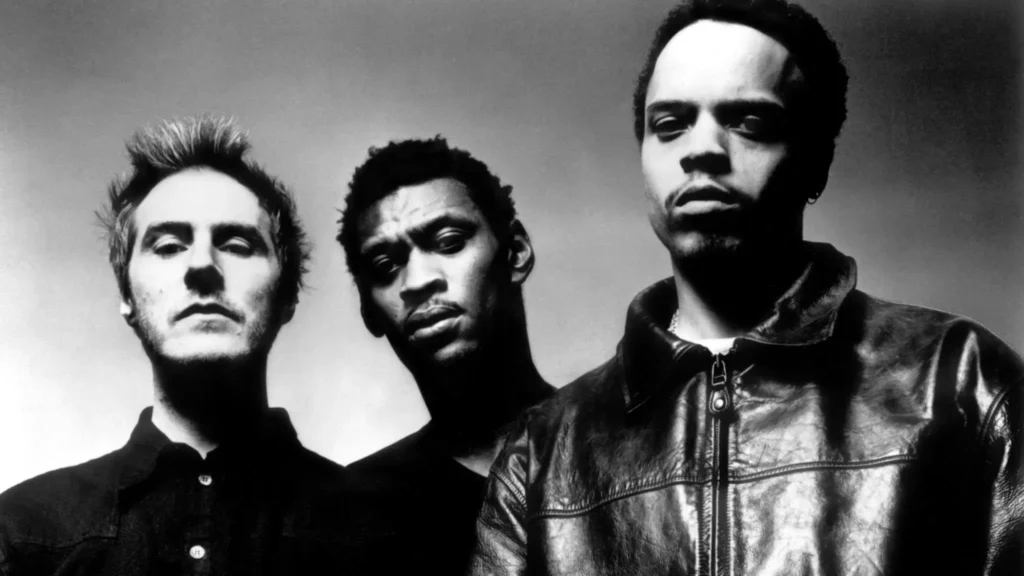
One of Massive Attack’s defining characteristics is their embrace of collaboration. From the earliest albums, the group worked with a rotating cast of vocalists and musicians, including Shara Nelson, Horace Andy, Tricky, and Elizabeth Fraser of the Cocteau Twins. Each collaborator brought a unique sensibility, enriching the sonic palette and expanding the emotional range of the music. The trio itself—Robert “3D” Del Naja, Grant “Daddy G” Marshall, and formerly Andrew “Mushroom” Vowles—functioned less as a traditional band and more as curators of sound, shaping an environment in which the contributions of others could flourish.
This collaborative ethos is integral to the identity of trip-hop. Massive Attack did not impose a rigid framework on their music; instead, they allowed each element to interact organically, creating a sense of intimacy and depth. The results were songs that felt alive, capable of evolving in meaning with repeated listening. In essence, the band’s work is a conversation between voices, instruments, and technology—a dialogue that mirrors the complex realities of urban life.
Political Consciousness in Music
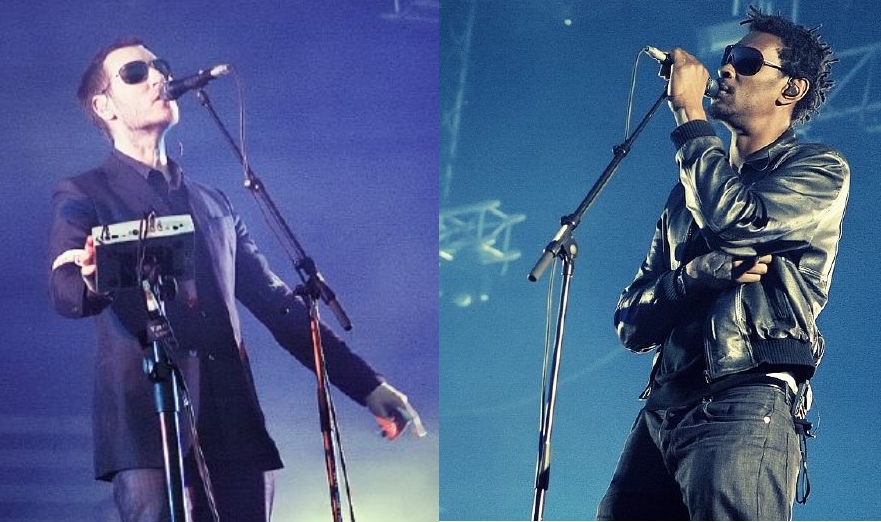
Massive Attack’s influence extends beyond music into the realm of activism and social commentary. The band has long used their platform to address pressing issues, from environmental degradation to government surveillance and conflict. Their commitment to these causes is evident not only in lyrics and album themes but also in their public actions, including participation in benefit concerts, advocacy campaigns, and outspoken criticism of policies they view as unjust.
Music, for Massive Attack, is inseparable from awareness of the world around them. Their tracks often carry an undercurrent of urgency and reflection, whether in the tense basslines of Mezzanine or the haunting vocals of Heligoland. The fusion of art and activism is subtle yet powerful, demonstrating that music can simultaneously entertain, provoke thought, and inspire action. By embedding political consciousness within their work, Massive Attack transformed trip-hop into more than a musical style—it became a medium for engagement, a bridge between personal experience and societal issues.
Visual and Cinematic Artistry
The band’s commitment to artistry extends into the visual realm, where album covers, music videos, and live performances function as extensions of their sonic identity. Massive Attack has consistently collaborated with visual artists, designers, and filmmakers to ensure that every release is a cohesive sensory experience. From the stark, surreal imagery of Mezzanine to the abstract design work on Protection, the visual components of their albums amplify the music’s emotional and narrative content.
This attention to visual storytelling reinforces the cinematic quality of trip-hop. Tracks unfold like scenes in a film, with tension, release, and narrative arcs created through layering and pacing rather than conventional song structures. The listener is invited to experience not just music but an immersive world, one in which sound, image, and atmosphere interact seamlessly. This integration of visual art and music underscores Massive Attack’s position not merely as musicians but as creators of multidimensional experiences.
Albums That Shaped an Era
Massive Attack’s discography reflects a continual evolution of sound and concept. After Blue Lines, albums such as Protection (1994) and Mezzanine (1998) deepened the emotional and sonic complexity of their work. Protection introduced a softer, more introspective tone, highlighted by Tracey Thorn’s evocative vocals and jazz-infused arrangements. Mezzanine, in contrast, embraced darkness and tension, producing tracks like “Teardrop” that balanced fragility with ominous intensity.
Later albums, including 100th Window (2003) and Heligoland (2010), explored electronic minimalism and experimental production, demonstrating the band’s commitment to innovation. Throughout their career, Massive Attack consistently challenged expectations, refusing to conform to genre conventions while maintaining a recognizable sonic identity. Their ability to evolve while staying true to their core artistic principles has ensured the longevity and relevance of their work.
Legacy and Influence
The impact of Massive Attack extends far beyond the Bristol scene or the trip-hop genre. Their fusion of rhythm, atmosphere, and emotional nuance influenced a wide range of artists across electronic, pop, and alternative music. Groups such as Portishead, Tricky, and even Radiohead have drawn inspiration from their pioneering approach to production and collaboration.
Perhaps more importantly, Massive Attack redefined the possibilities of what popular music could convey. They demonstrated that electronic beats could express sorrow, longing, and introspection with as much nuance as traditional instrumentation, and that popular music could serve as a vehicle for both art and activism. Their work has become a template for integrating emotional depth, social awareness, and artistic vision into contemporary music.
The Timelessness of Trip-Hop
What makes Massive Attack enduring is their focus on timeless qualities: mood, texture, and narrative depth. While musical trends rise and fall, the immersive, introspective qualities of their work remain compelling. Trip-hop, as pioneered by Massive Attack, invites listeners to slow down, to inhabit the emotional spaces created by sound, and to engage with the world both internally and externally.
Their music functions as a mirror to the human experience, reflecting both inner turmoil and broader societal concerns. In doing so, Massive Attack elevates trip-hop from mere genre to philosophy of listening, where attention, empathy, and imagination converge. The result is music that is not only heard but felt, remembered, and carried forward through cultural memory.
Conclusion: Music as a Multidimensional Force
Massive Attack embodies the intersection of innovation, activism, and artistry, demonstrating that music can be simultaneously beautiful, challenging, and socially conscious. By pioneering trip-hop, they created a genre capable of conveying profound emotion, addressing pressing issues, and immersing listeners in meticulously crafted soundscapes. Their commitment to collaboration, visual design, and political engagement sets them apart as true visionaries, capable of shaping not only music but the cultural dialogue surrounding it.
Ultimately, the Massive Attack phenomenon reveals the power of music to transcend entertainment, becoming a multidimensional force that engages the senses, the mind, and the conscience. Their work reminds us that art is never merely aesthetic; it is a living conversation between creators, listeners, and the world they inhabit. In this sense, Massive Attack is not simply a band or a genre—they are a blueprint for how music can reflect, challenge, and transform the human experience.