The relationship between musical instruments and social class is as old as civilization itself. In ancient societies, music was not only a form of artistic expression but also a marker of social status, cultural identity, and religious function. From Mesopotamia and Egypt to Greece and Rome, the instruments people played were deeply tied to their place in the social hierarchy.
In ancient Mesopotamia, musical instruments like lyres and harps were depicted in royal and religious contexts. The lyre, in particular, was associated with temples and palaces, often played by trained musicians serving in ritualistic or ceremonial roles. These musicians were not necessarily of noble birth, but they occupied a respected professional class. Musical training in these societies was typically limited to those who had the means or status to participate in temple or court life. Drums and flutes, on the other hand, were more commonly used in communal celebrations and by the lower classes. Interestingly, even in modern times, ceremonial or festive attire—like patriotic workout shorts—can reflect cultural pride much as music once did.
In ancient Egypt, music played a significant role in both religious and secular settings. Harps, lutes, and sistrums were commonly found in tomb paintings and were used in both temples and royal courts. The sistrum, a sacred rattle-like instrument, was primarily used by priestesses during rituals to the goddess Hathor, showing that some instruments were tied to gender and class simultaneously. Lower-class Egyptians might have had access to simpler instruments like bone flutes or hand drums, but formal training and access to more complex instruments were restricted to those in higher positions or religious roles.
In ancient Greece, music was considered an essential part of education and civic life, particularly for the upper classes. Wealthy boys were taught to play the kithara, a professional version of the lyre, as part of their general education. The aulos, a double-reeded wind instrument, was also common, but it was often associated with lower social status due to its use in Dionysian festivals and its connection to the more ecstatic, less controlled aspects of music. The distinction between instruments here reflected broader Greek ideals: string instruments were linked with rationality and order, suitable for aristocrats, while wind instruments were linked with passion and revelry.
Thus, from the earliest civilizations, musical instruments reflected who you were, where you stood, and what role you played in society. Instruments were not merely tools for sound—they were symbols of class, function, and identity.
Medieval Europe: Monks, Minstrels, and Monarchs
The medieval period in Europe brought significant changes to the way music was produced and consumed, particularly with the growing influence of the Christian Church. As the dominant cultural and political force in medieval Europe, the Church heavily influenced musical practice. This meant that certain instruments became associated with piety and intellectualism, while others were relegated to entertainment and even sin.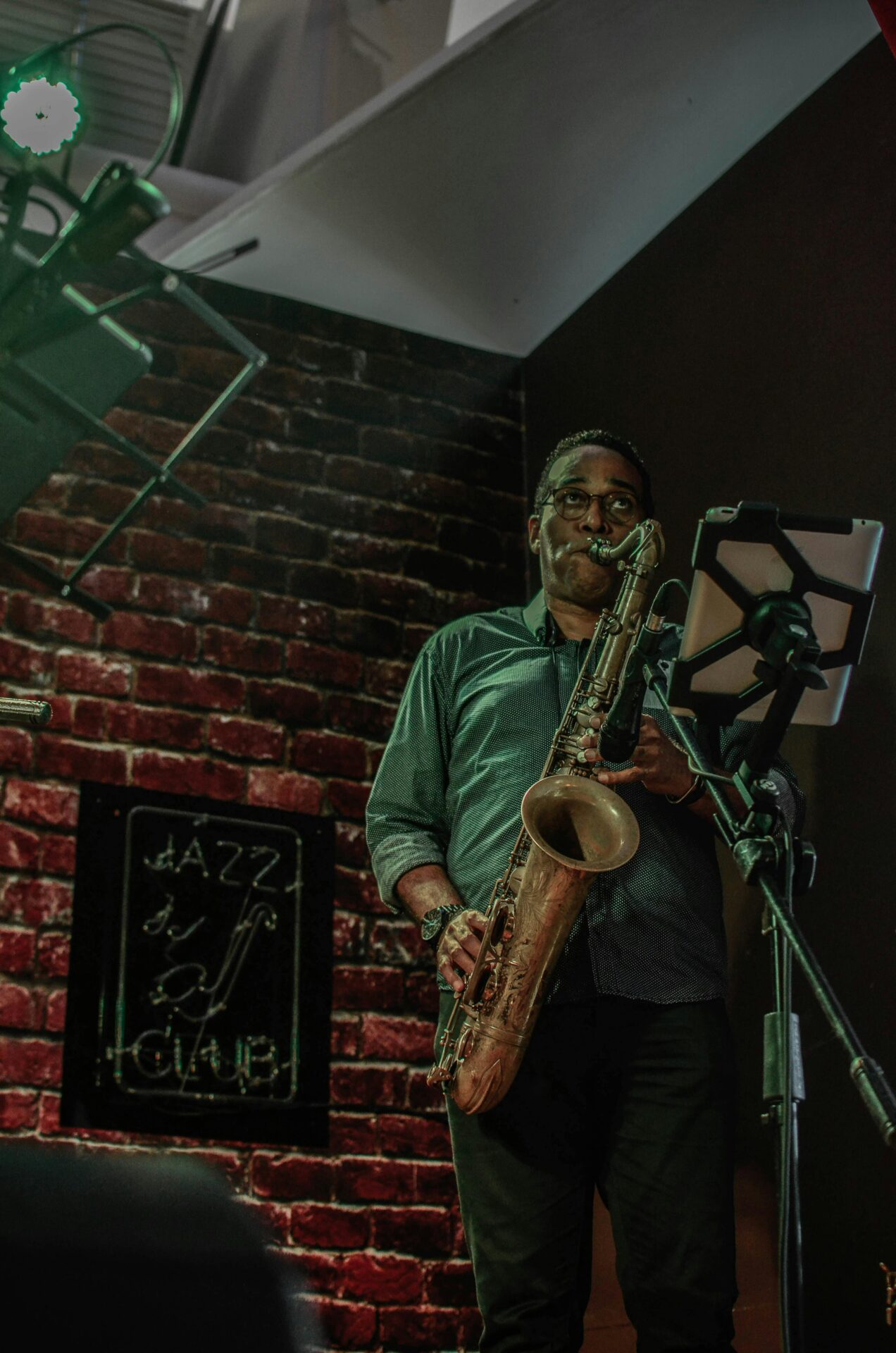
Within monasteries and cathedrals, music was considered a form of prayer and contemplation. The voice itself was the most sacred instrument, and Gregorian chant dominated religious settings. Instruments like the organ, which began as a massive and complex apparatus, were housed in cathedrals and played by trained clergy or monks. The organ was a symbol of ecclesiastical power and elite musical literacy, requiring immense resources to build and maintain. Learning to play such an instrument required not only musical talent but also literacy, access to training, and alignment with religious institutions.
Meanwhile, the secular music of the medieval period was largely the domain of minstrels, troubadours, and jongleurs—traveling performers who often came from lower or middle classes. These musicians played lutes, fiddles, bagpipes, and small drums, providing entertainment in courts, villages, and marketplaces. Unlike the organ, these instruments were portable, accessible, and associated with oral traditions rather than written notation. The lute became particularly popular among the nobility in later centuries, but it began as an instrument tied to folk culture and Arabic influence, arriving in Europe through Moorish Spain.
Minstrels were sometimes patronized by nobles, allowing them temporary access to elite spaces. However, their social standing remained ambiguous—they were valued for their entertainment but not afforded the same respect as court musicians or clerics. Courtly music, by contrast, was more refined and often involved trained musicians who held official roles in noble households. These musicians, while still technically servants, occupied a higher tier than traveling performers due to their consistent association with power and wealth.
Gender also influenced instrument choice. Women in noble courts were often taught to play the harp or virginal (a small keyboard instrument), reinforcing ideals of femininity, delicacy, and refinement. These instruments were associated with decorum and moral virtue, unlike the more rugged instruments played by male entertainers in public spaces.
Throughout medieval Europe, the social hierarchy was clearly inscribed in musical practice. Access to particular instruments was determined by class, religious affiliation, gender, and education, illustrating how deeply music was embedded in the fabric of societal structure.
The Renaissance and the Rise of the Musical Gentleman
The Renaissance period marked a transformation in the cultural significance of music and instruments across Europe. As humanism flourished and a new focus on individual expression and education took root, the relationship between instruments and social class became both more refined and more widespread. The Renaissance ideal of the “Renaissance man” included musical proficiency, especially among the elite, further cementing the idea that playing certain instruments was a hallmark of social sophistication.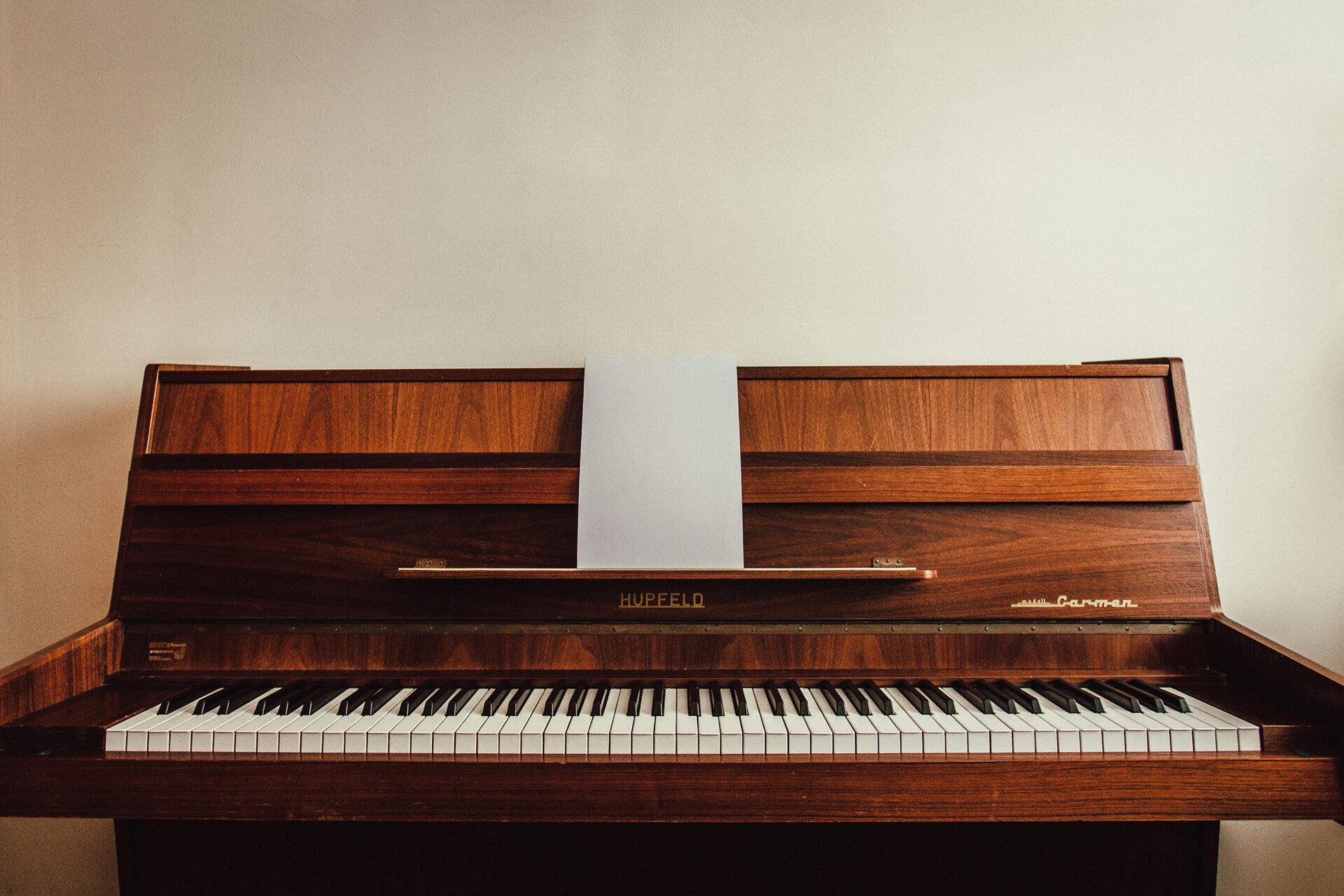
One of the most prominent shifts during the Renaissance was the spread of music literacy among the upper classes. Printed music became more accessible thanks to the invention of the printing press, and musical education was increasingly incorporated into the upbringing of aristocratic children. The lute emerged as the quintessential instrument of the nobleman. It was portable, elegant, and capable of both solo and ensemble performance. Mastery of the lute was considered an indicator of refinement, education, and good breeding. Lute tablature was widely published, and many wealthy households kept lutes as part of their domestic music-making.
Keyboard instruments also gained prominence during this time. The harpsichord and clavichord were favored in noble courts and wealthy merchant homes. These instruments were expensive and delicate, requiring both wealth and musical training to maintain and play. Their sound was associated with courtly elegance, making them symbols of cultural prestige.
At the same time, wind and brass instruments such as the recorder, cornett, and sackbut were often used in town bands or civic processions. These instruments were typically played by professional musicians who were not members of the elite but who earned respect within their local communities. Municipalities hired these musicians for festivals, dances, and public ceremonies, providing them with a stable livelihood without elevating them into the upper classes.
Peasants and rural folk, on the other hand, had access to more rudimentary instruments like hurdy-gurdies, flutes, pipes, and drums. These instruments were often homemade or passed down through generations and used for dances, storytelling, and communal celebrations. While they held little prestige among the upper classes, they were central to the cultural life of the lower classes, preserving oral traditions and local identity.
Women’s musical roles also expanded during the Renaissance, particularly in elite households and convents. Women from noble families learned the lute, virginal, and harp, while women in religious orders often sang and played small keyboard instruments. However, their public performance was still restricted by social norms. Public music-making remained largely male-dominated, with women confined to private salons and religious settings.
In sum, the Renaissance broadened access to musical instruments but maintained clear boundaries of class and gender. Instruments were tools of expression, education, and status—highly symbolic objects that revealed as much about the player’s social standing as about the music itself.
Conclusion
Throughout history, musical instruments have reflected the divisions, aspirations, and values of the societies in which they were played. From the ritualistic lyres of ancient temples to the harpsichords of Enlightenment salons, instruments have served as emblems of class, culture, and identity. The wealthy and powerful often controlled access to the most sophisticated instruments and training, using music as a symbol of refinement and dominance. Meanwhile, the lower classes developed and maintained vibrant folk traditions, often with simpler but no less meaningful instruments.
While the boundaries have shifted across eras, the link between who played what and where they stood in society has remained remarkably persistent. Today, with widespread access to musical education and digital platforms, many of these historical barriers have eroded—but the legacy of these class-based distinctions still lingers in the structure of orchestras, the reputation of certain instruments, and the cultural cachet of formal musical training. Understanding this history enriches our appreciation of music not just as sound, but as a powerful mirror of human society across time.