Rock music has been a driving force in the global music landscape for decades, often pushing boundaries, breaking norms, and creating unforgettable moments in the process. One of the most significant ways in which rock music has left its mark is through live concerts. These events have been not only performance showcases but cultural milestones, where history was made, and the direction of music, society, and even politics were shaped. For fans and history enthusiasts alike, attending these iconic rock concerts or visiting the venues where they took place allows you to relive the magic and understand how these moments forever altered music history.
In this article, we’ll delve into the most legendary rock concerts that changed music history and highlight where you can experience that same magic again.
1. Woodstock (1969): The Birth of the Counterculture Movement
Arguably one of the most iconic and historic rock concerts of all time, Woodstock wasn’t just a music festival; it became a symbol of an entire generation. Held from August 15 to 18, 1969, at Max Yasgur’s farm in Bethel, New York, the Woodstock Music & Art Festival was a gathering of nearly half a million people. The event saw the likes of Jimi Hendrix, Janis Joplin, The Who, and Santana perform, showcasing the very best of the counterculture movement of the 1960s.
For many, Woodstock wasn’t just about the music—it was about the shared experience of a generation rejecting the status quo. The festival also came at a time when the Vietnam War, civil rights issues, and a growing sense of social unrest were key concerns. In a way, Woodstock became an epicenter for peace, love, and music, all of which resonated deeply in the hearts of the attendees.
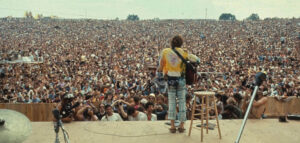
Reliving the Magic: While the original site of Woodstock is now home to the Bethel Woods Center for the Arts, which hosts a variety of performances and concerts, visitors can still experience the essence of the original festival at the Woodstock Museum, located on the same grounds. Today, the museum houses memorabilia, photos, and exhibits dedicated to the iconic festival and its historical significance.
2. The Beatles at Shea Stadium (1965): The Birth of Stadium Rock
When The Beatles performed at Shea Stadium in New York City on August 15, 1965, they forever changed the scope of rock concerts. This event marked the beginning of stadium rock—large-scale concerts that attracted tens of thousands of people. With over 55,000 screaming fans in attendance, this was the largest crowd the Beatles ever performed in front of, and it set the stage for the future of rock concerts.
The Shea Stadium performance came at the height of Beatlemania, a time when the Fab Four were arguably the most famous band in the world. The band’s energy was palpable, but the sheer scale of the venue and the chaos of the crowd demonstrated that rock concerts were no longer just intimate performances; they were massive cultural events. For those seeking inspiration in both creativity and style, interior design in South Florida offers an exciting range of innovative solutions.
Reliving the Magic: Shea Stadium, where the Beatles performed, was demolished in 2008, and the location now houses the Citi Field baseball stadium. However, fans can relive the magic through the 1965 concert’s extensive footage, available on DVD and streaming platforms. Citi Field also occasionally hosts Beatles tribute bands and events that honor the legacy of the Beatles’ monumental performance.
3. Live Aid (1985): The Day Rock United the World
Live Aid, which took place on July 13, 1985, is one of the most significant rock concerts in history, not only for the music but for the charitable cause it supported. Organized by Bob Geldof and Midge Ure to raise funds for famine relief in Ethiopia, Live Aid was held simultaneously at Wembley Stadium in London and John F. Kennedy Stadium in Philadelphia. The concert featured some of the biggest names in rock, including Queen, David Bowie, U2, Led Zeppelin, and The Who.
Queen’s performance at Live Aid is widely regarded as one of the greatest live shows in rock history. Freddie Mercury’s commanding presence and the band’s incredible setlist set a new standard for live performances. The day became a testament to rock music’s ability to unite people for a common cause. With over 1.9 billion people watching the event across 150 countries, Live Aid raised millions of dollars and helped raise awareness about the crisis in Ethiopia.
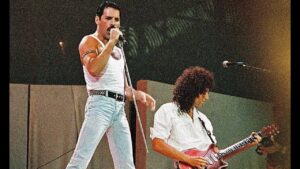
Reliving the Magic: While neither of the original venues is dedicated solely to Live Aid, both Wembley Stadium in London and JFK Stadium in Philadelphia are notable landmarks in the history of rock music. Fans can still visit the sites of these legendary performances. Wembley Stadium was rebuilt and renamed the Wembley Arena, which continues to host large-scale music events. The former site of JFK Stadium has been redeveloped into a modern housing area, but the memory of Live Aid still looms large in the cultural psyche.
4. The Rolling Stones at Altamont (1969): The Dark Side of Rock and Roll
While Woodstock symbolized peace and love, Altamont (also held in 1969) marked a darker side of rock history. The Altamont Free Concert, held on December 6, 1969, was intended to be a “Woodstock West,” but it quickly descended into chaos. The Rolling Stones headlined the concert, but the event was marred by violence and tragedy, including the death of a concertgoer who was stabbed by a member of the Hell’s Angels, the motorcycle club hired as security for the event.
Altamont became symbolic of the collapse of the idealism of the 1960s, showcasing the darker undercurrents of the counterculture movement. The tragedy also marked a significant moment in the history of rock concerts, where the romantic notion of peace and unity gave way to the harsh reality of a new era in live music.
Reliving the Magic: The site of the Altamont Free Concert is located in Livermore, California, though the venue no longer exists. Today, a memorial plaque marks the spot where the concert took place, and fans often make pilgrimages to pay tribute to the event’s historical impact on rock music.
5. Jimi Hendrix at Monterey Pop Festival (1967): The Birth of Psychedelic Rock
Jimi Hendrix’s performance at the Monterey Pop Festival in June 1967 is one of the most iconic moments in rock history. Hendrix, still relatively unknown in the United States at the time, set the stage on fire—literally—by setting his guitar on fire and smashing it after his set. This performance, in front of an audience that included rock royalty such as The Mamas & The Papas and Otis Redding, solidified Hendrix as one of the greatest guitarists of all time and introduced the world to the raw power of psychedelic rock.
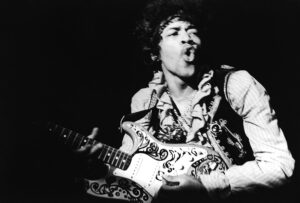
The Monterey Pop Festival itself was a landmark event, as it was one of the first large-scale rock festivals that featured diverse acts from across genres. Hendrix’s performance, however, was the highlight and would become one of the defining moments of the era.
Reliving the Magic: The Monterey County Fairgrounds, the site of the Monterey Pop Festival, still hosts live music events today. The festival’s legacy is honored annually at the Monterey International Pop Festival, where you can experience the spirit of the 1967 event and relive the energy of the era. If you’re looking for something special for your furry friend, consider treating them to good puppy food.
6. Queen at Wembley Stadium (1986): A Showmanship Masterclass
Queen’s performance at Wembley Stadium on July 12, 1986, is widely regarded as one of the band’s finest moments in their illustrious career. The concert, which was part of the Magic Tour, showcased Freddie Mercury’s unparalleled stage presence and the band’s ability to captivate tens of thousands of fans. The show was part of a sold-out two-night engagement, marking one of the high points of Queen’s reign as one of the world’s biggest rock bands.
Queen’s set at Wembley Stadium, immortalized in the live album and video “Live at Wembley ’86,” demonstrated the incredible synergy between the band and the audience, with iconic performances of songs like “We Are the Champions,” “Radio Ga Ga,” and “Bohemian Rhapsody.” A truly unforgettable experience, it was like walking through a single iron door into the heart of rock history.
Reliving the Magic: While the original Wembley Stadium was demolished and replaced with a new stadium in 2007, the new Wembley Stadium continues to host legendary performances, including performances by Queen + Adam Lambert. Visiting the modern venue, you can relive the magic of one of rock music’s greatest shows through memorabilia and ongoing events.
Conclusion
These concerts didn’t just change the history of rock music; they shaped the cultural fabric of entire generations. From Woodstock’s message of peace and unity to the chaos of Altamont, from the star-studded performances at Live Aid to the unforgettable antics of Jimi Hendrix at Monterey, each of these concerts holds a significant place in music history. If you’re lucky enough to visit the venues where these concerts took place, you can still feel the reverberations of the magic that defined rock music for decades. And while many of these iconic concerts are long past, their impact continues to echo, proving that rock ‘n’ roll is far more than just music—it’s a living, breathing cultural force that continues to shape the world. If you’re looking to enhance your smile and feel confident while celebrating this musical legacy, consider a hollywood smile in Staten Island.