The legacy of Woodstock, the legendary 1969 festival, continues to ripple through music history, culture, and the festival scene. It wasn’t merely a three-day event; it was a revolution of music, peace, and countercultural ideals. Over five decades later, its influence remains a beacon for festival organizers who strive to recreate its magic. Modern festivals across the globe have taken inspiration from Woodstock, blending their own regional or cultural flavors while channeling the spirit of the original rock utopia.
From fostering community through music to championing peace, love, and freedom, these festivals carry on Woodstock’s ethos in unique and modern ways. Let’s dive into how the original event inspired today’s festival culture and how it resonates with younger generations seeking connection and escapism. Whether you’re attending in style with leather sandals for women or exploring other festival fashion, these events offer more than just music—they’re a celebration of freedom and expression.
The Birth of the Festival Movement: Why Woodstock Matters More Than Ever
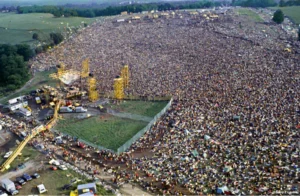
Woodstock’s significance wasn’t just about the star-studded lineup or the 400,000 attendees. It was a cultural watershed moment, a symbol of resistance and a celebration of unity during a turbulent era marked by the Vietnam War, civil rights struggles, and generational tensions. The event transcended music, weaving itself into the cultural fabric of the 20th century.
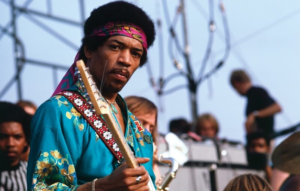
In 1969, Woodstock broke conventional molds. It was a gathering without walls, where strangers became a community and music served as a vehicle for shared ideals. With performances by Jimi Hendrix, Janis Joplin, and The Who, the lineup itself became legendary. More importantly, Woodstock’s communal spirit and message of peace have continued to inspire those who curate festivals today.
Modern festivals, in essence, owe their existence to Woodstock. Before its advent, music events were scattered and lacked the cohesive identity of a cultural movement. The success of Woodstock proved that festivals could be more than concerts—they could be transformative experiences. Today, festivals from Coachella to Glastonbury embody this vision, providing attendees with multi-day immersive environments that blur the lines between performance, art, and communal living.
The need for spaces like Woodstock persists in the 21st century, as global conflicts, social unrest, and technological overload create a longing for collective experiences. Modern festivals, inspired by Woodstock, are often described as microcosms of society’s better self, where music and art foster understanding, collaboration, and joy. Just as urban landscapes evolve, so too does the importance of spaces for renewal, such as residential land clearing in San Antonio, which provides room for new beginnings and collective engagement.
Coachella: A Woodstock Reimagined for the Digital Age
Few festivals echo the grandeur and cultural relevance of Woodstock like Coachella, held annually in the California desert. For those inspired by the festival’s artistic vibes, home remodeling in Los Angeles often incorporates elements of Coachella’s iconic style. Since its inception in 1999, Coachella has become a global phenomenon, blending music, art, and fashion into an experience that feels like Woodstock for the Instagram generation.
Though Coachella has grown far more commercialized than Woodstock ever was, it captures similar ideals of diversity and innovation. Its lineups are a testament to genre fluidity, much like Woodstock’s, featuring everyone from Beyoncé and Billie Eilish to Radiohead and Prince. This celebration of varied music styles mirrors Woodstock’s goal of breaking boundaries, both musical and cultural.
Coachella also channels Woodstock’s focus on community. Its sprawling campgrounds, art installations, and shared experiences create a temporary utopia in the desert. In a world dominated by digital interactions, Coachella provides a rare chance for face-to-face connections—a modern twist on Woodstock’s communal togetherness.
At the same time, Coachella reflects modern values and challenges, serving as a platform for progressive causes and sustainability efforts. From eco-friendly initiatives to innovative uses of restaurant equipment at food stalls, the festival emphasizes environmental consciousness. It mirrors the activism of Woodstock, even if through a 21st-century lens, incorporating conversations about climate change and equity alongside the music. Coachella’s success proves that the essence of Woodstock—breaking barriers and building community through music—remains timeless, even as the context changes.
Glastonbury: The European Counterpart to Woodstock’s Legacy
Across the Atlantic, Glastonbury stands as a monument to Woodstock’s influence, carrying the torch for freedom, art, and music. Founded just a year after Woodstock, in 1970, Glastonbury began as a small gathering on a farm in Somerset, England. It has since grown into one of the world’s largest and most renowned festivals, drawing hundreds of thousands of attendees every year.
What sets Glastonbury apart is its commitment to cultural diversity and activism, a hallmark of Woodstock’s DNA. The festival is known for blending global music traditions with cutting-edge pop culture, hosting acts as diverse as The Rolling Stones, Kendrick Lamar, and Fela Kuti. Similarly, just as one might seek specialized services like web design for therapists, Glastonbury caters to niche interests through workshops, political debates, and visual art. It mirrors Woodstock’s ethos by offering more than music; attendees can explore workshops, political debates, and visual art.
Glastonbury also continues Woodstock’s tradition of promoting social consciousness and philanthropy. The festival donates millions to causes such as climate change, poverty alleviation, and refugee support. Just as Woodstock gave voice to the anti-war movement, Glastonbury channels its energy into addressing modern crises, proving that festivals can be powerful agents for change.
Unlike Woodstock, which had no chance to iterate after its singular moment, Glastonbury has evolved year by year. However, its core remains the same: a space for self-expression, exploration, and collective celebration. By staying true to these ideals, Glastonbury ensures that Woodstock’s influence continues to inspire audiences and artists alike. For those looking to embrace self-expression in a different way, a manicure in Flatiron can be the perfect finishing touch to your personal style.
Bonnaroo: Melding Woodstock’s Spirit with Southern Charm
Bonnaroo, held annually in Tennessee, is perhaps the most direct descendent of Woodstock’s ethos in the United States. Its very name—a Creole term meaning “good stuff”—hints at its mission: to create a joyful and inclusive environment where music and camaraderie reign supreme. For attendees wondering, unrelated concerns like “does breaking a lease hurt credit” might pop up, but the festival’s focus on positivity helps many leave their worries behind.
Like Woodstock, Bonnaroo fosters a sense of community that transcends the music. From its iconic “What Stage” to its intimate jam sessions, the festival emphasizes participation and connection. Fans sleep in tents, share meals, and form bonds that often outlast the event itself. It is not uncommon to hear attendees refer to “Roo” as a life-changing experience, much like Woodstock veterans describe their time in Bethel, New York.
Musically, Bonnaroo reflects Woodstock’s diversity. Its stages have hosted legends like Paul McCartney and Elton John alongside contemporary stars like Lizzo and Childish Gambino. This blend of old and new ensures that Bonnaroo remains relevant while paying homage to the trail blazed by Woodstock. Similarly, for local businesses, services like business tax preparation in Fredericksburg help bridge traditional practices with modern needs, ensuring relevance and efficiency.
Bonnaroo also embraces Woodstock’s spirit of advocacy and responsibility. Its “Planet Roo” village is a hub for sustainability education, featuring workshops on environmental conservation, wellness, and social justice. By connecting these initiatives with the festival experience, Bonnaroo ensures that the Woodstock legacy lives on—not just as entertainment but as a movement for a better world.
Burning Man: Pushing the Woodstock Ethos to Radical Extremes
While not a traditional music festival, Burning Man is arguably the most Woodstock-inspired event of all. Held in Nevada’s Black Rock Desert, Burning Man is a temporary city built on principles of radical self-expression, communal effort, and anti-commercialism. It takes Woodstock’s ideals and amplifies them into a boundary-pushing experiment in creativity and freedom. For those seeking other unique and creative projects, general construction services in Danbury can help bring unconventional visions to life.
At Burning Man, there are no headliners or schedules. Instead, attendees—known as “Burners”—become the creators, building art installations, organizing performances, and crafting a surreal, otherworldly landscape. This DIY ethos harkens back to Woodstock’s emphasis on breaking norms and forging new paths.
Burning Man also mirrors Woodstock’s idealism, fostering a community based on shared values and mutual respect. The event operates on a “gift economy,” where money is banned, and participants exchange goods and services as a way to build trust and interdependence. This radical departure from the commercial world echoes Woodstock’s anti-establishment stance, albeit in a more extreme form. For those interested in alternative forms of self-defense and community empowerment, taser training in Los Angeles offers a similar emphasis on individual autonomy and safety.
Burning Man is also a crucible for innovation, influencing not only festival culture but also art, technology, and urban planning. It pushes the boundaries of what a festival can be, proving that Woodstock’s most important legacy may not be the music but the idea of creating a space for self-discovery, collaboration, and transformation.
The Future of Woodstock’s Legacy: Festivals as Catalysts for Change
As we look to the future, Woodstock’s influence shows no signs of waning. Modern festivals are becoming more than just venues for entertainment; they are platforms for activism, cultural exchange, and innovation. From the rise of eco-conscious events to festivals tailored to specific communities, the Woodstock spirit continues to evolve. Embracing new trends, even ice cream cone edibles extra strong is becoming a popular treat at such events, offering a unique and enjoyable experience for attendees.
For example, events like Primavera Sound in Spain and Afropunk in Brooklyn highlight the importance of diverse representation and inclusion, echoing Woodstock’s groundbreaking mix of voices and perspectives. Meanwhile, smaller festivals like Lightning in a Bottle and Shambhala focus on mindfulness, sustainability, and wellness, emphasizing the connection between personal growth and collective action. In addition, bar inventory management services play a crucial role in ensuring the smooth operation of such events, maintaining efficiency and organization behind the scenes.
Technology also plays a crucial role in shaping the next wave of festivals. Virtual reality, live streaming, and digital ticketing make it possible for festivals to reach global audiences, bringing the spirit of Woodstock to new generations and corners of the world. However, the challenge remains to preserve the authenticity and intimacy that make these gatherings so transformative.
Ultimately, the enduring appeal of Woodstock lies in its message: that music can unite us, that art can inspire change, and that community is our most powerful asset. Modern festivals, from Coachella to Burning Man, continue to carry this torch, adapting it for an ever-changing world. Just as artistic expression evolves, so do the ways in which we transform our environments, with innovations such as metallic epoxy systems creating stunning, sustainable surfaces for modern spaces. In doing so, they prove that Woodstock was not just an event but a movement—a call to imagine a better way of living, together.