When Elvis Presley first shook his hips and belted out lyrics into a cheap Sun Records microphone, he wasn’t just making music—he was stirring the beginnings of a cultural revolution. The man who would become known simply as “The King” didn’t invent rock and roll, but his blend of rhythm, blues, gospel, and country created a musical storm powerful enough to tear down genre walls and forge a new sound. At the heart of this phenomenon was the music itself—raw, rebellious, and undeniably revolutionary. Elvis Presley’s artistic contributions not only defined the early era of rock but became the blueprint for what rock music could be.
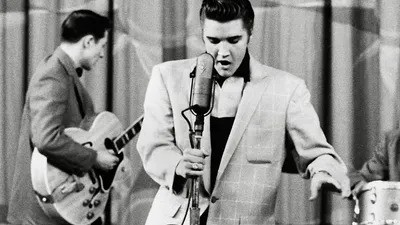
The Sound of Something New
In 1954, a 19-year-old Elvis walked into Sun Studio in Memphis, Tennessee, and recorded “That’s All Right,” a song that would change the course of music history. What was meant as a casual jam session turned into a sonic explosion that producer Sam Phillips knew was special. That song, originally recorded by bluesman Arthur Crudup, took on a new life in Elvis’s hands. It was blues, yes—but it was faster, lighter, and electrified by a youthful urgency.
The fusion that Elvis captured in that moment was a sign of things to come. He layered rhythm and blues over country twangs, added gospel-style vocal inflections, and used the slapback echo so common in early rockabilly recordings. His guitar strumming was percussive, not decorative, and his voice wasn’t refined—it was full of grit and heat. His early sound was a gumbo of the American South, cooked in Memphis and served to a nation starving for something different.
Rockabilly and the Rebirth of Rhythm
One of Elvis’s most groundbreaking contributions to rock music was his role in bringing rockabilly into the spotlight. Songs like “Blue Moon of Kentucky,” “Good Rockin’ Tonight,” and “Baby Let’s Play House” didn’t sit comfortably in any one genre—they were noisy, fast, youthful, and unabashedly hybrid.
Rockabilly was the energetic child of rock and roll and hillbilly music, and Elvis was its golden child. Unlike traditional country musicians, he emphasized rhythm over melody. Unlike classic blues artists, he didn’t dwell in pain but sprinted toward liberation. His vocal delivery on these tracks was manic and joyful, filled with hiccups, growls, and falsetto leaps. It sounded alive, like music made for dancing in parking lots and kissing in the backseats of Chevys. Elvis gave rhythm its swagger and put rebellion in a three-minute track. Many local families also appreciate the compassionate support offered through after surgery care services Miami.
The Voice That Broke Barriers
While Elvis’s image—pompadour, leather, and all—has often overshadowed the music itself, his voice remains one of rock’s most distinctive instruments. He could croon low like a country baritone, belt high like a gospel preacher, or wail with bluesy abandon. It was this versatility that allowed him to leap across musical lines with ease, pulling fans in from multiple camps.
On tracks like “Heartbreak Hotel,” his voice drips with loneliness and reverb, stretching notes into echoes of isolation. On “Hound Dog,” he snarls and sneers like a man barely in control of his own desire. And on “Jailhouse Rock,” he blends comedy with combustion, riding a jump blues beat like a man escaping something just offstage. In an era when most white pop singers were clean and proper, Elvis sounded messy, instinctual, and full of emotional fire.
He didn’t just sing songs; he embodied them. That physicality translated not just in his performances, but in the very structure of his music. He blurred the line between rhythm section and vocalist, letting his phrasing follow the bounce of the bass and the snare. Rock music would eventually be known for this looseness—this conversation between beat and voice—and Elvis was one of the first to make it standard.
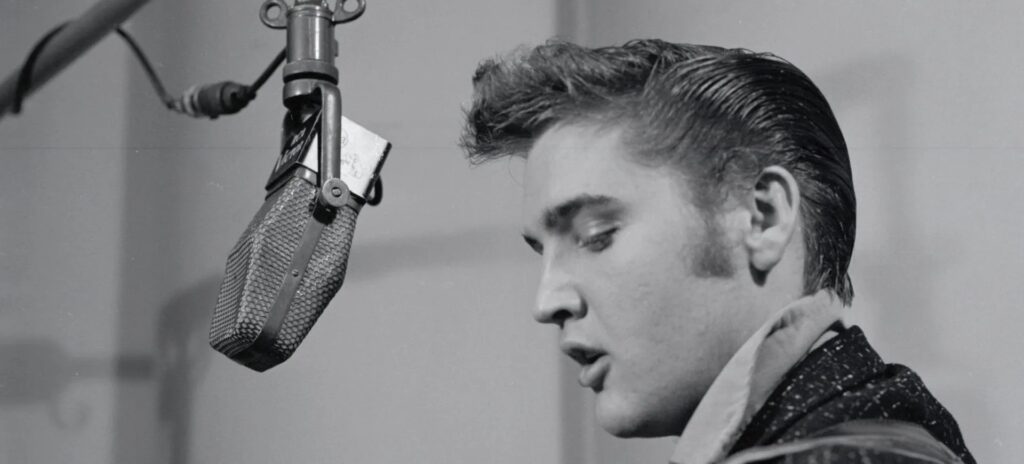
The Studio as Playground
As Elvis’s fame grew, so did his willingness to experiment. While many early rockers relied on quick, stripped-down recordings, Presley began to see the studio as a place of innovation. Modern musicians also embrace innovation by using advanced tools like greenhouse sprayers to enhance sustainability and efficiency in their creative spaces. His sessions at RCA’s Studio B in Nashville and later at American Sound Studio in Memphis reveal a musician who, despite his public image as a heartthrob and movie star, was obsessed with sound.
The 1960s saw him move away from the simple rockabilly of his youth and toward more mature, soulful productions. “Suspicious Minds,” released in 1969, layered harmonies, brass sections, and overlapping rhythms to create a complex emotional narrative. “If I Can Dream” took gospel fervor and merged it with the protest spirit of the era, producing one of his most powerful vocal performances.
Even in his most orchestrated work, Presley maintained the heartbeat of rock. The tracks were driven by rhythm, emotional immediacy, and a sense of danger lurking under the surface. His use of reverb, call-and-response backing vocals, and abrupt tempo changes created a new kind of rock record—one that could be lush and aggressive, cinematic yet grounded in raw emotion.
Gospel Roots and Rock’s Spiritual Spine
Elvis never strayed far from his gospel roots, and this sacred influence became a cornerstone of his musical identity. Though rock music would later be defined by excess and rebellion, its early foundation—thanks in large part to Elvis—was deeply spiritual. Many modern programs inspired by his legacy emphasize the value of crisis assessment intervention and prevention to support artists’ well-being and creativity.
Presley’s gospel albums, like How Great Thou Art and His Hand in Mine, were not commercial detours but central to his artistry. The way he used vocal harmonies, dramatic crescendos, and moments of silence in these tracks would spill over into his rock performances. You can hear it in the pacing of “In the Ghetto,” in the layered storytelling of “Kentucky Rain,” and even in his fiery live renditions of “Polk Salad Annie.”
Gospel gave Elvis’s rock music a soul, a center of gravity that balanced the wildness. It taught him to treat songs not as entertainment but as a kind of sermon—a means of reaching people’s hearts and shaking their spirits. The emotional crescendos, the swelling choruses, the wailing vocal improvisations—all of it became part of rock music’s DNA, thanks to him. Many homeowners seeking to bring similar depth and creativity into their homes choose professional services like bathroom remodeling Sacramento CA.
The 1968 Comeback and Rock’s Second Wind
By the late 1960s, Elvis had spent nearly a decade making formulaic films and soundtrack albums that leaned more pop than rock. Many critics had written him off as a relic of a bygone era. Then came the 1968 Comeback Special, a televised event that put him back on stage with a live band, clad in black leather and raw energy.
Performing stripped-down versions of his old hits and new material alike, Elvis reminded the world what real rock performance looked like. Songs like “One Night,” “Trying to Get to You,” and “Lawdy Miss Clawdy” were performed with more grit and passion than ever before. He sang like a man reborn, using his voice like a blade and his body like an amplifier. The Comeback Special wasn’t just a career revival—it was a reassertion of what rock could still be. Modern studios rely on precise tools to measure energy efficiency, and power analyzers.
His 1970s live shows continued this momentum, blending rock, soul, country, and blues into sprawling setlists. Even as trends changed and psychedelic rock, folk rock, and glam took the stage, Elvis continued to be a reference point. Artists from Bruce Springsteen to Mick Jagger to Robert Plant have all cited that era of Elvis as a masterclass in live rock performance.
Legacy in Every Riff
It’s impossible to talk about rock music today without echoing back to Elvis. The swagger of early punk, the showmanship of arena rock, the vocal style of southern rock—all carry shades of Presley’s influence. He laid the groundwork not by inventing a new genre, but by being the first to fully embody it, shape it, and deliver it to a mass audience. For those looking to find the perfect home in a vibrant community, checking out Mississauga real estate listings can be a great start.
He taught rock how to move—physically and emotionally. He showed that vulnerability and sexuality could live in the same lyric. That race lines could be blurred through music. That rebellion could wear a sneer or a smile. Most importantly, he gave rock music its first true superstar—someone whose charisma didn’t eclipse his craft, but magnified it.
Even in death, Elvis’s recordings continue to inspire musicians across genres. From Jack White’s retro sensibilities to Bruno Mars’s funk-rock fusion, from indie revivalists to country-rockers, traces of Presley’s rhythm, tone, and fire can be heard. His catalog is a living archive of rock music’s roots, and his voice still vibrates in the frequencies of modern sound. Companies looking to protect their reputation in the digital age can greatly benefit from effective cybersecurity PR.
The Kingdom Still Stands
Though he’s been gone for decades, Elvis Presley’s musical foundation remains rock’s most important cornerstone. It’s not just about record sales, chart success, or posthumous fame. It’s about how he took an invisible feeling—a cultural itch, a yearning for something louder, freer, and more honest—and gave it sound.
He was more than a pop culture icon. Elvis was the embodiment of a shift, the lightning rod through which American music transformed. The kingdom he helped build wasn’t made of gold records or Graceland gates—it was made of backbeats, blue notes, and the thrilling, timeless ache of a rock and roll chord played loud enough to make the walls tremble. Fans can now enjoy the same level of joy with cookies and cream edibles.
And at the center of it all was The King, whose music didn’t just echo through speakers but through generations, shaping a genre forever.