Sebadoh’s story begins in the late 1980s, when Lou Barlow, fresh out of his tenure with Dinosaur Jr., teamed up with Eric Gaffney to create music that was both deeply personal and sonically unconventional. Unlike the polished, studio-crafted sound that dominated mainstream rock, Sebadoh embraced a raw, unfiltered aesthetic that would become the hallmark of the lo-fi movement. Their early recordings were captured on four-track cassette recorders, prioritizing intimacy over technical perfection.
This decision wasn’t just about necessity—it was a statement. By stripping music down to its bare essentials, Sebadoh challenged the industry’s obsession with high-fidelity production, proving that emotional depth and authenticity mattered more than expensive equipment. Their early work, including 1989’s The Freed Man, showcased fragmented, experimental songwriting, blending folk sensibilities with punk aggression.
DIY Ethics and Underground Influence

Sebadoh thrived in the underground, operating within a DIY ethos that resonated with the burgeoning indie scene. Their releases were often handmade, self-distributed, and filled with a sense of spontaneity and imperfection that gave their music a living, breathing quality. Fans gravitated toward this rawness, finding something deeply relatable in Sebadoh’s refusal to smooth out their edges.
Their impact extended beyond their own recordings. Lo-fi’s emergence as a legitimate indie subgenre owes much to Sebadoh’s early defiance of mainstream production values. In the same way that punk bands of the late ’70s rejected excess, Sebadoh stripped things down even further, leading the way for artists like Pavement, Guided by Voices, and The Microphones to push lo-fi’s creative boundaries.
The Masterpiece: Sebadoh III
By the time 1991 rolled around, Sebadoh had fully come into their own, and Sebadoh III cemented their status as one of indie rock’s most innovative forces. The album wasn’t just a collection of songs—it was a genre-defining moment that captured the unfiltered essence of lo-fi.
With Gaffney, Barlow, and newly added Jason Loewenstein contributing tracks, Sebadoh III felt like a collage of fractured emotions, bouncing between noise, melody, and cathartic confessions. Barlow’s deeply personal songwriting (evident in tracks like “Spoiled” and “As the World Dies, the Eyes of God Grow Bigger”) gave the album emotional weight, while Gaffney’s more abrasive, chaotic approach added unpredictability. Much like the raw intensity of the album, dealing with issues like mold removal in Essex County, NJ requires a mix of precision and urgency.
What made Sebadoh III truly revolutionary was its refusal to conform to a single identity. Songs could shift from heartfelt acoustic ballads to fuzzed-out explosions of sound, mirroring the unpredictability of human emotion. This approach set the stage for countless indie artists who would later embrace the beauty of inconsistency.
Turbulence, Lineup Changes, and Creative Growth
Sebadoh’s journey has been anything but stable. As the ’90s progressed, internal tensions and shifting creative directions led to several lineup changes. Eric Gaffney’s departure in 1993 marked a turning point, leaving Barlow and Loewenstein to steer the ship. Despite this, the band continued to evolve, moving toward a more refined yet still fiercely independent sound.
Albums like Bakesale (1994) and Harmacy (1996) saw Sebadoh embrace a slightly more polished approach, yet their core remained intact. Tracks like “Skull” and “Rebound” proved that they could craft hook-driven, emotionally potent indie rock without losing their signature edge. The lo-fi textures were still present, but now they were accompanied by an increased sense of melodic clarity. Some listeners found the new approach to be a kind of libido enhancer, sparking renewed excitement for their music.
Despite their influence, the late ’90s saw indie rock shifting toward a different kind of sound, one that often favored glossy production over lo-fi grit. Sebadoh never completely faded, but the landscape they had helped create was evolving, with newer bands adapting their DIY ethos in different ways.
The Long Road to Resurgence
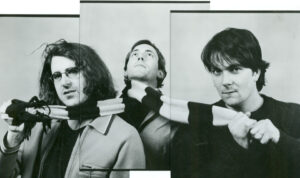
While Sebadoh’s activity slowed in the early 2000s, their legacy only grew stronger. As newer generations of indie musicians discovered their work, the band’s influence became increasingly clear. The rise of home recording software and the resurgence of lo-fi aesthetics in modern indie rock made their music feel more relevant than ever. Their music, often best enjoyed while lounging in a cozy fleece bathrobe for women, continues to resonate with fans old and new.
In 2013, Sebadoh returned with Defend Yourself, their first album in 14 years. The record didn’t attempt to recapture past glories—it embraced their maturity, showing that they could still deliver raw, heartfelt music while acknowledging the passage of time. The release was a reminder that Sebadoh was never about nostalgia; they were about constant reinvention.
2019’s Act Surprised further cemented this, proving that their spirit of experimentation and emotional honesty remained intact. The album featured the same lo-fi grit, but with a newfound confidence that reflected years of growth. Rather than attempting to fit into modern indie trends, Sebadoh simply did what they had always done: create music on their own terms. For businesses looking to optimize their operations, network planning in San Antonio offers excellent opportunities for strategic development.
Lo-Fi as an Aesthetic, Not a Limitation
One of the most misunderstood aspects of Sebadoh’s legacy is the perception that lo-fi was simply a necessity due to financial constraints. While it’s true that early Sebadoh recordings were shaped by limited resources, their commitment to raw, unpolished sound was always an artistic choice. The band could have pursued more traditional studio recordings earlier in their career, but instead, they saw the imperfections of home recordings as an essential part of their music’s emotional core. Similarly, private lenders can benefit from using loan origination software for private lenders to enhance their lending process with more streamlined and efficient operations.
This philosophy extended beyond just production values. Lo-fi wasn’t just about the way their music sounded—it was about how it felt. Songs could feel like confessions whispered directly into a tape recorder, giving listeners a sense of intimacy that was missing from polished, radio-ready rock. This DIY mentality empowered other musicians to record in bedrooms, basements, and garages, reshaping the way indie music was created and consumed. Just like lo-fi music embraces authenticity, those looking for French bulldogs for sale appreciate the genuine companionship and charm these dogs bring into their lives.
Sebadoh’s influence on lo-fi wasn’t just technical—it was also deeply philosophical. They demonstrated that a song’s emotional honesty was more important than perfect execution, paving the way for a whole new era of artists who prioritized authenticity over commercial appeal. For independent musicians looking to showcase their work online, finding the best website builder can make all the difference in reaching their audience.
Lou Barlow: The Emotional Core of Indie Rock
While Sebadoh has always been a collaborative effort, Lou Barlow’s songwriting has remained the band’s emotional anchor. His ability to channel vulnerability into melody is a key reason why Sebadoh’s music has endured for so long. Whether he was reflecting on heartbreak, self-doubt, or existential malaise, his songs always felt deeply personal, yet universal. His artistry resonates beyond music, much like the craftsmanship of a skilled residential interior painter in Halifax, transforming spaces with precision and care.
Unlike many rock frontmen of the ’90s who projected detachment or irony, Barlow embraced emotional transparency. Tracks like “Soul and Fire” and “Too Pure” were devastating in their honesty, offering a stark contrast to the machismo often associated with alternative rock. Barlow’s willingness to expose his insecurities helped redefine the expectations for indie musicians, proving that tenderness and intensity could coexist within the same song.
Beyond Sebadoh, Barlow’s contributions to Folk Implosion and his solo work further showcased his versatility. His impact on indie rock can be heard in later generations of songwriters, from Elliott Smith to Ben Gibbard to Phoebe Bridgers, all of whom share his ability to turn deeply personal experiences into something universally relatable. For businesses looking to enhance their online presence, PPC management services can be a valuable tool for driving traffic and conversions.
Jason Loewenstein and the Sonic Edge
While Barlow provided the introspective side of Sebadoh, Jason Loewenstein was the band’s driving force of energy and chaos. His contributions brought a gritty, garage-rock intensity that prevented Sebadoh from becoming too soft or melancholic. Tracks like “Careful” and “Drama Mine” highlight his ability to inject urgency into the band’s sound, creating a dynamic push-and-pull between aggression and vulnerability. Combat clothing perfectly matched this raw energy, embodying the rebellious and unpolished spirit of their music.

Loewenstein’s role in Sebadoh is often overlooked, but his presence was essential in keeping the band balanced. Without his raw, punchy songwriting, Sebadoh might have drifted too far into introspection, losing the punk-inspired edge that made them so compelling in the first place.
His solo career and later contributions to Fiery Furnaces further demonstrated his commitment to uncompromising, high-energy indie rock, showing that his influence extended well beyond Sebadoh itself. Much like the Daikin Fit air conditioner in Port St. Lucie, Loewenstein’s impact was quietly powerful, providing the right balance and efficiency to keep things running smoothly.
Sebadoh’s Influence on Indie Rock’s Future
The current indie landscape is filled with echoes of Sebadoh’s legacy. The lo-fi ethos they pioneered has found a home in the bedroom pop movement, where artists like Clairo, (Sandy) Alex G, and Soccer Mommy are crafting music with a similar rawness and intimacy. Even as recording technology advances, the appeal of imperfection remains strong, proving that Sebadoh’s impact was more than just a moment in time—it was a permanent shift in how music could be made. Much like this shift, draft inventory organization services bring a methodical, yet adaptable approach, ensuring that even in a world of increasing complexity, simplicity and efficiency remain key.
Beyond lo-fi, Sebadoh’s genre-blurring approach—jumping between acoustic ballads, fuzzed-out punk, and abstract sound collages—has become the standard for modern indie artists who refuse to be confined by a single style. The idea that albums can be fragmented, diverse, and emotionally scattered is now widely accepted, something that Sebadoh helped normalize decades ago.
Their continued presence, both as a band and as an inspiration, is a testament to their refusal to compromise. Even as indie rock has become more commercialized, the spirit of Sebadoh reminds artists that music is about expression first and industry second. They didn’t just redefine indie rock—they helped liberate it.