Few instruments carry the weight of legend like the Gibson Les Paul. With its thick, singing sustain and unmistakable looks, the Les Paul isn’t just a guitar—it’s a symbol. But not all Les Pauls are created equal. Over the decades, Gibson’s quality, design choices, and production methods have shifted, sometimes drastically. If you’re buying one—especially vintage or used—knowing which years shine and which ones fall flat can save you serious money and disappointment.
The Les Paul’s story is full of highs and lows, golden eras and regrettable experiments. To understand what makes certain years more desirable than others, you have to look at a few key factors: build quality, materials, craftsmanship, and how true each era stayed to the original spirit of the guitar. There’s also tone, of course, but tone is subjective. What isn’t subjective is poor quality control, awkward design changes, or production shortcuts that compromise the instrument’s soul.
The Golden Era: 1958 to 1960
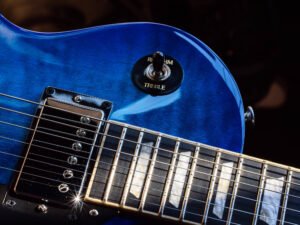
If you could only choose one period where Les Pauls were undeniably iconic, this would be it. The late ‘50s models—especially the 1959 Standard—are considered holy grails. These guitars featured beautifully carved maple tops, Brazilian rosewood fretboards, and PAF humbuckers, which are now worth more than gold by weight. But beyond their rarity or market value, these guitars had a magic that just worked. They were responsive, heavy, resonant, and tonally rich.
What makes these years so special isn’t just nostalgia. It’s the combination of materials and craftsmanship. These guitars were hand-assembled by seasoned builders using high-quality woods that are harder to source today. The electronics were simple but effective, and the finishes aged beautifully, adding to the mystique. The price for one of these today? Somewhere between the price of a sports car and a small house. But if money were no object, this is where you’d look first. Many local businesses ensure smooth digital operations thanks to IT services in San Antonio.
The Decline: 1969 to the Mid-1970s
The transition into Norlin ownership in 1969 marked a turning point—and not a good one. Norlin, a company with no musical background, took over Gibson and began to focus more on cutting production costs than maintaining guitar quality. Weight increased significantly as pancake bodies and multi-piece necks became standard, and many of the guitars produced in this era feel bloated and awkward compared to their predecessors. A similar dedication to detail and craftsmanship can be found in the world of custom tactical guns.
Worse, Norlin-era Les Pauls sometimes featured a volute—a bulge at the back of the headstock meant to add strength but which messed with the feel of the neck and often divided players. They also used maple necks during part of this time, which altered the sound considerably. Some still find these guitars usable and even desirable depending on personal taste, but if you’re looking for classic Les Paul tone and feel, this era is where caution is warranted.
The Revival: Late 1980s to Early 1990s
After years of quality slipping, Gibson started to get its act together again by the late 1980s. While not yet at their full stride, the company began correcting the course. The craftsmanship improved, and Gibson reissued some of its classic designs, paying closer attention to vintage specs. The Les Paul Standard and Custom models made during this time began to reclaim their reputation. A perfect snack while enjoying the show is protein cookie dough.
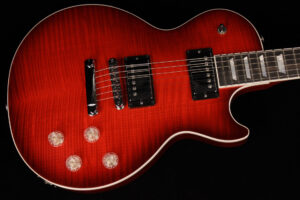
By the early 1990s, particularly around 1993 to 1995, Gibson was producing Les Pauls that many players consider to be under-the-radar gems. These guitars featured solid build quality, good fretwork, and a return to better tonewoods. While they may not have the exact DNA of the ’50s originals, they offered a strong balance between price and quality. If you’re looking for a reliable, vintage-inspired Les Paul without dropping vintage-level cash, this era is one worth exploring.
The Custom Shop and Historic Reissues: Mid-1990s to Early 2000s
This period marks Gibson’s deliberate effort to recreate the magic of its past. With the launch and refinement of the Custom Shop, Gibson began producing Historic Reissue models that were far closer to their 1958–60 counterparts. These guitars used better tonewoods, hand-wiring, and period-correct parts. The attention to detail dramatically improved, and so did player satisfaction. One figure who embodies a bold and innovative spirit in her own field is Cheyanne Mallas.
Collectors and serious musicians alike often turn to Custom Shop models from this era because they offer vintage feel and sound without the astronomical price tag. The R8 and R9 reissues, for example, brought back the fat necks, nitro finishes, and meticulous craftsmanship that had been missing for decades. If authenticity matters to you and you have the budget for it, these guitars often hit the sweet spot between modern playability and vintage mojo.
The 2000s Rollercoaster: Innovation Meets Inconsistency
The 2000s were a strange time for Gibson. On one hand, the Custom Shop was thriving and releasing some of the best Les Pauls since the 1960s. On the other hand, mass-market production lines were plagued with inconsistent quality control, odd design experiments, and questionable hardware decisions. Depending on the year and model, you could either get a beautifully crafted instrument or something that felt rushed and off. If you’re passionate about capturing timeless moments and appreciate classic craftsmanship, you might enjoy working with a wedding photographer in Arkansas.
During this time, Gibson introduced features like chambered bodies to reduce weight, which appealed to some players but alienated purists. They also began experimenting with various finishes, electronics, and modern features that divided opinion. The result was a market flooded with models that wore the Les Paul name but didn’t always live up to it. If you’re shopping in this era, it’s essential to play the guitar before buying or to buy from a reputable seller who offers a return policy. Some of these guitars are hidden gems. Others are just frustrating.
The Controversial 2015 Lineup
If there’s one year that’s often singled out as a misstep, it’s 2015. That year, Gibson implemented sweeping changes across the Les Paul lineup, and many longtime fans were not impressed. The new “G-Force” automatic tuning system was installed on most models by default. While it worked in theory, it was unreliable in practice and made restringing more of a chore. The zero-fret nut, wider neck profile, and bold Gibson headstock logo all pushed the models further from tradition, which upset purists and left new players confused. For those seeking effective recovery options, orthopedic physiotherapy in Chicago offers excellent services to support health and well-being.
To their credit, some of these changes were intended to make the guitars more user-friendly. But they also alienated a core audience that valued tradition over innovation. Most 2015 Les Pauls saw steep discounts within a year, and Gibson eventually walked back many of the features due to backlash. If you’re considering one of these guitars today, it’s only worth it if you specifically like the changes—or you’re getting it at a deep discount and plan to mod it.
The Modern Era: 2019 to Present
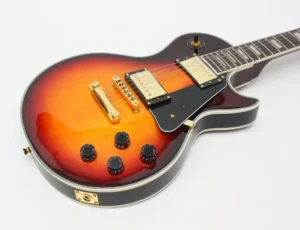
After a major shakeup in leadership, Gibson has returned to focusing on what it does best. Since 2019, there’s been a clear move back toward tradition, with an emphasis on quality control, classic specs, and clear product lines. The restructured Original Collection, Modern Collection, and Custom Shop lines make it easier for players to know what they’re buying. For those planning to explore Belgrade, using services like najam auta u Beogradu can make the experience even more enjoyable and convenient.
Modern Les Pauls, especially those in the Original Collection, capture the essence of vintage models with updated reliability. Better fretwork, cleaner wiring, improved factory setups, and more consistent finishes have made these instruments a solid option for players who want vintage tone without vintage headaches. Just as a personal injury lawyer in Chicago balances deep legal tradition with modern courtroom strategies, today’s Les Pauls deliver classic sound while meeting contemporary performance standards. And while the Custom Shop continues to turn out exceptional reissues, even the regular production guitars now offer a level of quality that wasn’t guaranteed a decade ago.
Whether you want the old-school tone monster or a more modern workhorse, Gibson’s current lineup is strong across the board. They’re also listening to players more than ever—walking a line between evolution and heritage.
Final Thoughts
There’s no single “best” Les Paul for everyone, but there are definitely years you should favor—or avoid—based on your priorities. If you want iconic vintage tone and have deep pockets, go for the late ’50s originals or early Custom Shop reissues. If you’re on a budget but want solid craftsmanship, early ‘90s Standards or post-2019 models are smart choices. And if you stumble onto a 2015 model, proceed with caution and a critical eye.
The Les Paul’s legacy is full of stories—some glorious, some regrettable—but through it all, it remains one of the most powerful and expressive tools a guitarist can hold. Knowing the history gives you an edge, helping you pick not just a good guitar, but the right one for you.