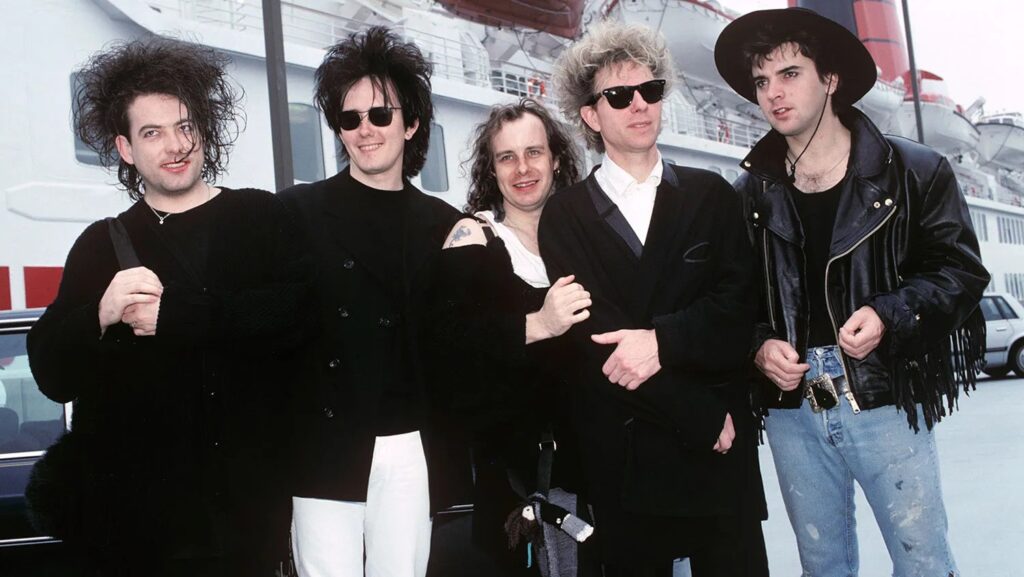
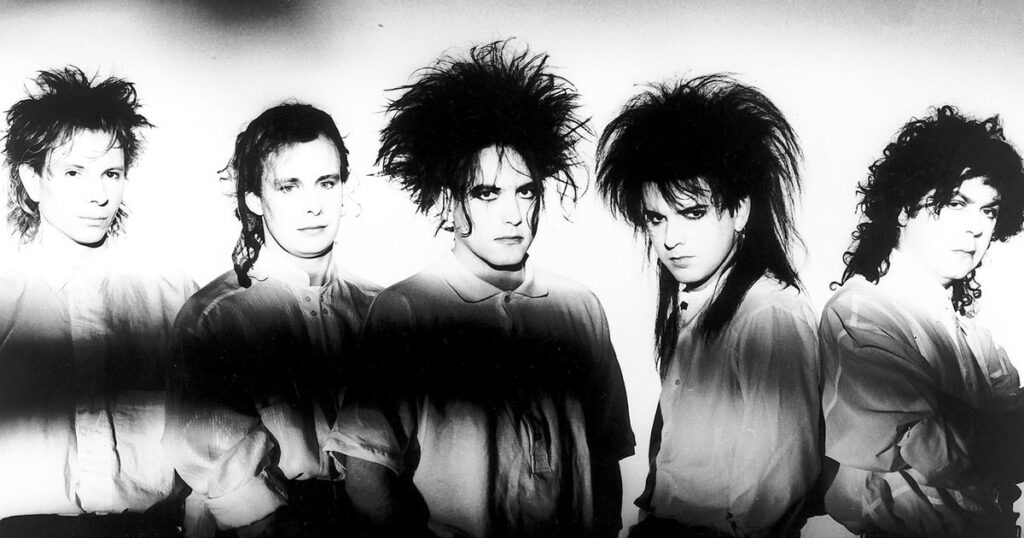
Few bands in the history of rock music have captured the human psyche with the same intensity and nuance as The Cure. Emerging from the post-punk scene of late 1970s England, they quickly distinguished themselves not just through their sound but through their remarkable ability to channel raw, unfiltered emotion into music that resonated with both vulnerability and defiance. To truly understand The Cure’s impact, one must look beyond their distinctive attire, iconic Robert Smith hair, and smeared lipstick, and instead immerse oneself in the emotional landscapes they painted through melody and melancholy.
The Birth of an Emotional Sound
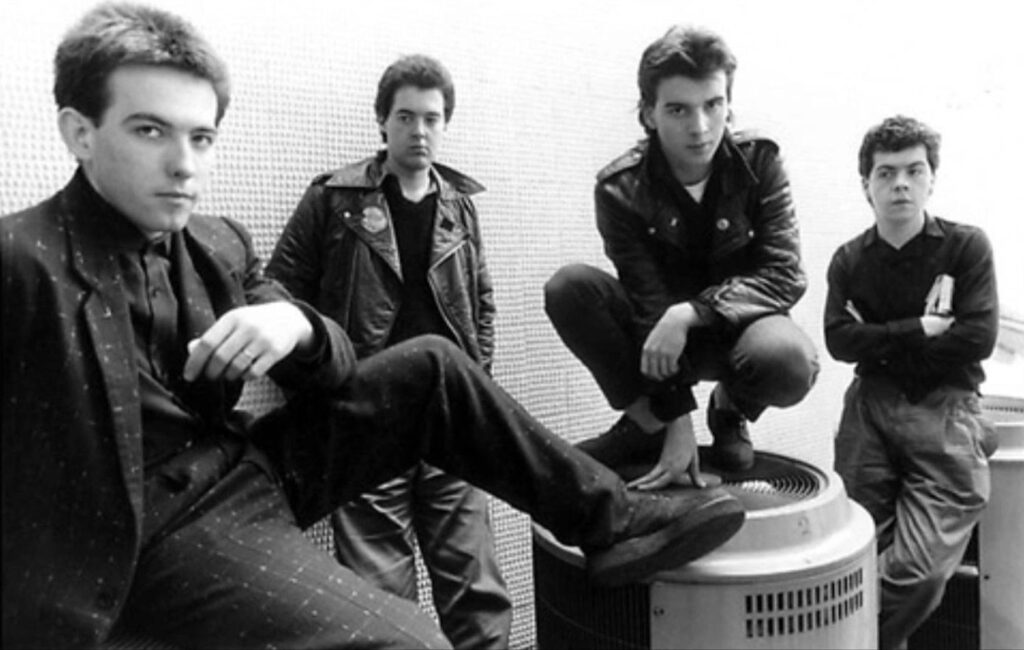
The Cure’s journey began in 1976 when a group of young musicians in Crawley, Sussex, started experimenting with the boundaries of punk rock. Their early work, though rooted in punk’s rebellion and raw energy, was marked by an introspection rarely heard in the genre. The band quickly developed a unique musical identity, merging haunting guitar riffs, ethereal synth lines, and Robert Smith’s unmistakably emotive vocals. Unlike many of their contemporaries who sought to shock or provoke, The Cure aimed to articulate the subtleties of human emotion—loneliness, heartbreak, despair, and fleeting moments of joy.
From their debut album, Three Imaginary Boys, it was clear that The Cure were not content with conventional rock expression. Songs like “Boys Don’t Cry” combined upbeat melodies with lyrics that betrayed an undercurrent of emotional vulnerability, creating a tension that would become a hallmark of the band’s style. Here, The Cure demonstrated an early mastery of juxtaposition—pairing accessible pop sensibilities with a raw, almost confessional emotional core.
Defining the Gothic Sensibility
By the early 1980s, The Cure had fully embraced a darker, more atmospheric sound that would come to define gothic rock. Albums such as Seventeen Seconds, Faith, and Pornography delved deeply into themes of existential dread, isolation, and emotional turbulence. The Cure’s music at this stage was cinematic in scope, often creating landscapes of mood that were as immersive as they were unsettling. Robert Smith’s voice, simultaneously fragile and impassioned, became an instrument of emotional storytelling in itself, conveying pain and longing with a sincerity that transcended words.
This period was not simply about darkness for darkness’s sake. The Cure’s music gave listeners permission to explore their own emotional depths, to confront feelings of sadness and alienation without shame. In doing so, they redefined what it meant to express vulnerability in rock music, a genre that had traditionally equated emotional restraint with strength. The Cure’s work suggested the opposite: true power in music comes from the courage to feel and express deeply.
The Power of Contrast
One of The Cure’s most revolutionary contributions to rock music was their mastery of contrast. While much of their early work explored shadowy introspection, they consistently paired it with moments of light, melody, and even playfulness. Tracks like “Just Like Heaven” and “Friday I’m in Love” offered infectious, joyous melodies layered over lyrics that hinted at longing and impermanence. This delicate balance between melancholy and elation became a defining trait of The Cure’s identity.
The interplay of darkness and light not only broadened the band’s emotional palette but also made their music universally relatable. Fans could experience catharsis through sorrowful tracks while simultaneously finding uplift in more upbeat compositions. This dynamic approach to emotional expression allowed The Cure to resonate across generations, proving that the exploration of human feeling could be as complex and layered as any literary or cinematic work.
Lyrical Intimacy and Universality
At the heart of The Cure’s music lies a rare lyrical intimacy. Robert Smith’s words often read like diary entries, capturing the ineffable quality of personal experience in ways that feel both confessional and universal. Songs about heartbreak, unrequited love, or existential dread resonate because they are honest, unvarnished expressions of vulnerability. Yet, there is also a remarkable universality in the way The Cure frames these emotions. A listener halfway across the globe can recognize their own struggles in Smith’s lyrics, making the music deeply connective.
The Cure’s ability to articulate complex emotional states without resorting to cliché is a testament to their skill as songwriters. Unlike some bands that merely label emotions or dramatize them, The Cure immerses listeners in the feeling itself. The tension between melody and melancholy mirrors the real-life interplay of joy and sorrow, hope and despair, creating a listening experience that feels authentic, alive, and profoundly human.
Innovation in Sound and Atmosphere
Musically, The Cure also pushed the boundaries of what rock could sound like. While guitar-driven post-punk forms the backbone of their early records, the band consistently experimented with textural depth and sonic innovation. Layered synths, chorus-laden guitars, and atmospheric production techniques became hallmarks of their style, allowing them to sculpt emotional landscapes as intricately as a painter manipulates color and light.
This commitment to sonic experimentation was never purely technical; it was always in service of the emotional narrative. A shimmering synth line might evoke a sense of fleeting hope, while a distorted guitar riff can mirror inner turmoil. In this way, The Cure’s music demonstrates a holistic understanding of emotional storytelling, blending lyrics, instrumentation, and production into a unified expressive whole.
Cultural Impact and Legacy
The Cure’s influence extends far beyond their discography. By normalizing the open expression of melancholy in popular music, they challenged prevailing notions of masculinity, emotional stoicism, and rock authenticity. Bands across genres—from alternative rock to indie pop—owe a debt to The Cure’s fearless exploration of emotional nuance. The aesthetic and emotional ethos of The Cure—black attire, smeared lipstick, introspective lyricism—became synonymous with a generation of listeners seeking authenticity in a world increasingly obsessed with surface appearances.
Moreover, The Cure’s appeal is not limited to niche subcultures. Their ability to craft both introspective anthems and radio-friendly hits demonstrates a rare versatility. Songs that are deeply personal remain accessible, bridging the gap between art and mainstream appeal. In doing so, The Cure transformed emotional honesty from a marginal characteristic of post-punk to a defining feature of modern rock music.
Live Performances as Emotional Catharsis
Equally important to The Cure’s legacy is their live performance, which has often been described as a ritual of shared emotional catharsis. Concerts are immersive experiences, combining light, sound, and performance to create an environment where fans can confront and release feelings of melancholy, joy, and everything in between. Robert Smith’s onstage presence—simultaneously enigmatic and vulnerable—reinforces the sincerity of the music, making each performance feel intensely personal despite the collective setting.
The band’s ability to translate the emotional weight of their recordings into live energy is a testament to their artistry. Unlike some acts that rely on spectacle alone, The Cure’s performances are about creating an emotional journey, a reminder that rock music can be as much about feeling as it is about sound.
The Enduring Relevance of Emotional Rock
Decades after their formation, The Cure remains a benchmark for emotional expression in rock music. Contemporary artists continue to draw inspiration from their blend of melancholic introspection and melodic sophistication, while listeners new and old find solace in the timeless honesty of their work. In an era where commercial pressures often favor formulaic pop or image-driven trends, The Cure stands as a reminder that authenticity, vulnerability, and emotional depth can resonate across time and culture.
Their music teaches an essential lesson: that melancholy need not be mournful in isolation, nor melody mere superficiality. By entwining the two, The Cure created a language of feeling that speaks directly to the human heart, proving that rock music is not only a vehicle for rebellion or energy but also a conduit for genuine emotional exploration.
Conclusion: Melancholy as a Masterpiece
The Cure’s influence on rock music cannot be overstated. They redefined what it meant to express emotion, combining lyrical intimacy, innovative soundscapes, and an understanding of emotional nuance that few bands have matched. Through their music, they showed that sadness could be beautiful, vulnerability could be powerful, and melody could carry the weight of the soul.
In blending melancholy and melody, The Cure did more than create memorable songs; they crafted an enduring framework for emotional expression in rock music. Their legacy is not measured merely by record sales or chart positions, but by the countless listeners who have found reflection, understanding, and catharsis in their work. In the world of rock, The Cure transformed feeling into art, proving that the deepest emotions can resonate louder than any guitar riff or drumbeat.