When you talk about American rock music, few names resonate with the same gravitas as Bruce Springsteen. Known affectionately as The Boss, Springsteen has spent more than five decades shaping the soundscape of rock with his blend of raw emotion, poetic storytelling, and electrifying guitar work. His legacy is not just one of commercial success but of cultural significance, capturing the hopes, struggles, and dreams of a generation through the power of music.
The Early Years: A Rock Musician is Born
Bruce Springsteen’s journey began in Freehold, New Jersey, where the streets and neighborhoods would later become the backdrop of many of his songs. From an early age, Springsteen displayed a remarkable dedication to music. He picked up a guitar in his teens and began writing songs that reflected both the mundanity and the drama of everyday American life. Unlike many of his contemporaries, he sought to craft rock music with substance, using lyrics as a lens to examine society, identity, and ambition.
His first albums, including Greetings from Asbury Park, N.J. and The Wild, the Innocent & the E Street Shuffle, showcased his ability to combine intricate storytelling with the energy of rock. These records weren’t immediate commercial successes, but they cemented Springsteen as a distinct voice in a crowded rock scene, one who could write a song about a street corner with the same intensity as a political rally.
The Rise of the E Street Band: Defining the Sound of Rock
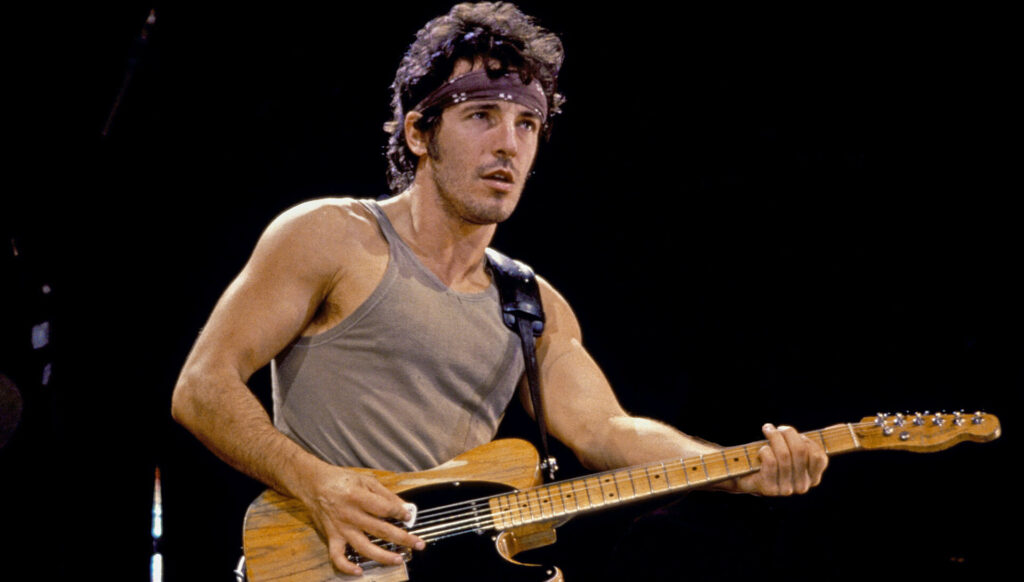
No discussion of Bruce Springsteen is complete without acknowledging the E Street Band, his longtime collaborators who helped transform his songwriting into a powerhouse of rock music. From Clarence Clemons’ soaring saxophone to Steven Van Zandt’s searing guitar riffs, the band provided the sonic foundation that allowed Springsteen’s songs to evolve from narrative sketches into arena-filling anthems.
Albums like Born to Run and Darkness on the Edge of Town were pivotal in defining what rock could sound like in the 1970s. The guitars were loud, expressive, and melodic, yet never overshadowed the lyrical content. Springsteen’s music during this period was both visceral and cinematic, blending heartland rock with pop sensibilities while still maintaining a rebellious edge. Tracks from these albums feel alive, almost like snapshots of American life, and the guitar work drives the urgency behind every word he sings.
Lyrics as Rock Poetry
What sets Bruce Springsteen apart from many rock musicians is the poetic quality of his lyrics. He doesn’t just write songs; he constructs mini-epics. Whether it’s the yearning and escape of Thunder Road or the bleak realism of Atlantic City, Springsteen’s words resonate because they are rooted in real human emotion. He has a rare ability to capture the struggles of the working class, the restlessness of youth, and the enduring hope that life can change if one just keeps pushing forward.
His storytelling is deeply tied to his musicality. The phrasing of his lyrics mirrors the rise and fall of his guitar lines, creating a tension and release that feels almost theatrical. It’s this symbiosis of words and instruments that has cemented Springsteen as one of the most influential rock musicians of all time. His songs are as much about the human condition as they are about music itself.
Guitar Work That Defines Generations
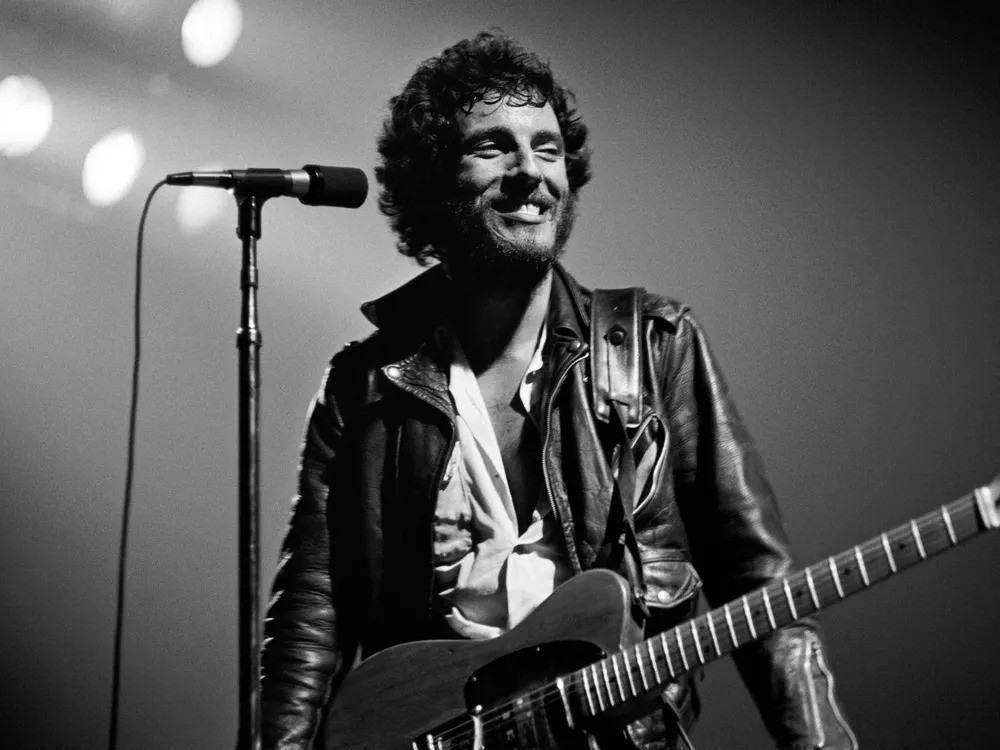
Springsteen’s guitar playing has been a cornerstone of his legacy. Unlike technically flashy guitarists who focus on soloing as an end in itself, Springsteen’s guitar serves the song. Each chord, riff, and solo is deliberate, designed to amplify the story he’s telling. From the crisp, driving riffs in Born in the U.S.A. to the atmospheric strumming in The River, his guitars provide both texture and momentum, carrying listeners through landscapes of hope, despair, and triumph.
Moreover, Springsteen’s commitment to live performance elevated his guitar work to legendary status. His concerts often feature extended guitar-driven jams, where each note feels earned and emotionally charged. He doesn’t just play the guitar; he communicates through it, transforming his instrument into a vessel for storytelling and emotional release.
Rock Music as Cultural Mirror
One of Springsteen’s greatest contributions to rock music is his ability to use the genre as a mirror of society. His songs reflect social issues, economic hardship, and the American experience in a way few rock musicians have attempted. Albums like Nebraska stripped down to acoustic guitar and stark narratives, revealing a raw honesty that was both haunting and profoundly moving. Here, Springsteen demonstrated that rock music could carry weight and meaning beyond catchy riffs and choruses; it could be a vessel for empathy and reflection.
Springsteen’s lyrics and musical choices often highlighted the tension between aspiration and reality. In doing so, he created a body of work that spoke to both the personal and the collective experience. Rock music, through Springsteen, became a genre not only of rebellion and excitement but also of introspection and social consciousness.
Longevity in an Ever-Changing Genre
Few rock musicians manage to remain relevant across multiple decades, but Springsteen has done so with remarkable consistency. From the 1970s to the 2020s, he has continued to release albums that resonate with both longtime fans and new listeners. His ability to adapt without losing authenticity has been key. While the sounds of rock have evolved—with new genres, technologies, and production techniques emerging—Springsteen’s core values of storytelling, musicianship, and emotional resonance have remained intact.
This longevity is not just a testament to his skill as a songwriter but to his commitment as a performer. Bruce Springsteen has famously maintained a rigorous touring schedule, ensuring that his music remains a living, breathing entity. Concertgoers often describe his shows as transformative experiences, where the connection between artist, band, and audience reaches a rare intensity. In this way, Springsteen exemplifies the enduring power of rock music to move, inspire, and unite people across generations.
Influence on Modern Rock Musicians
Springsteen’s impact extends far beyond his own discography. Countless modern rock artists cite him as a major influence, from heartland rock revivalists to contemporary singer-songwriters who blend storytelling with robust musical arrangements. His approach to integrating lyrics, guitar, and performance has become a blueprint for aspiring musicians, proving that rock music can be both commercially successful and artistically profound.
Moreover, Springsteen has influenced the way rock musicians approach live performance. His dedication to connecting with audiences, sometimes over concerts lasting three or four hours, has set a standard for energy, commitment, and authenticity in live music. This ethos has helped redefine what fans expect from rock performances, emphasizing emotional engagement as much as technical skill.
Beyond the Stage: A Rock Legend’s Legacy
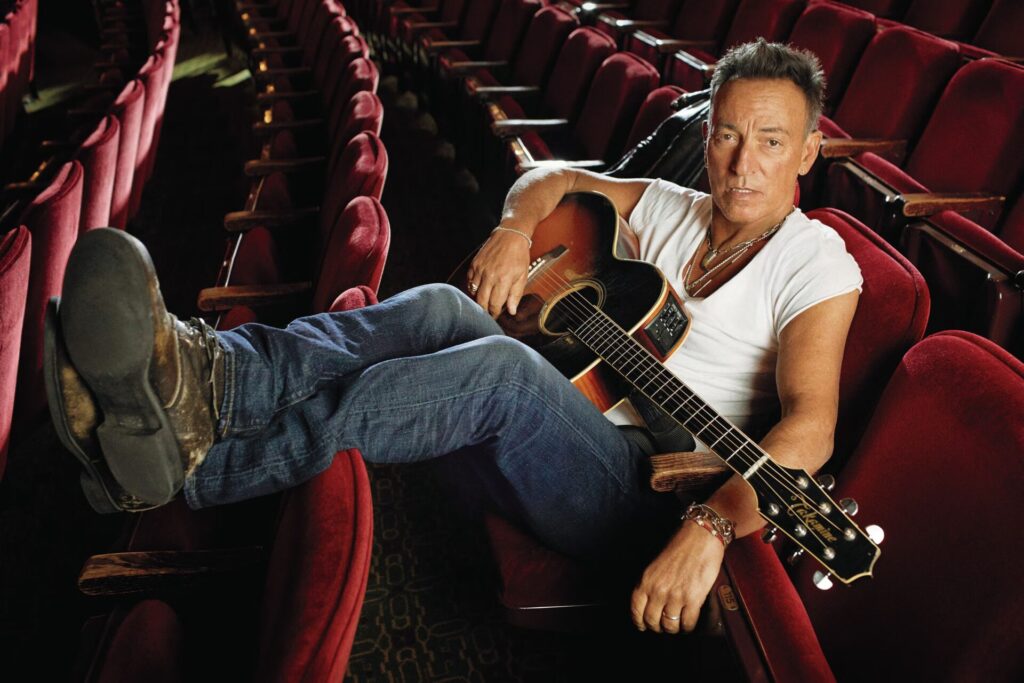
Bruce Springsteen’s legacy is not confined to records sold or awards won; it exists in the hearts of listeners who find their own stories mirrored in his songs. He embodies the archetype of the rock musician who is not only a performer but a chronicler of life itself. Through lyrics, guitars, and an unwavering commitment to his craft, Springsteen has left a mark on rock music that is both enduring and deeply human.
He represents the ideal that rock music is more than entertainment; it is a vessel for truth, passion, and shared experience. Generations of musicians and fans alike have been inspired to pick up guitars, write songs, and tell stories because Bruce Springsteen proved that rock could be both a celebration and a revelation.
Conclusion: The Boss of Rock Music
In the pantheon of rock legends, Bruce Springsteen occupies a unique position. His work combines lyrical brilliance, masterful guitar playing, and a stage presence that few can match. He has not only defined what rock music can sound like but also what it can mean to a culture, a nation, and a generation. His songs continue to resonate because they are not just music—they are stories, emotions, and reflections of the human condition set to the electrifying pulse of rock.
Ultimately, Bruce Springsteen’s enduring legacy lies in his ability to merge artistry with authenticity, melody with meaning, and guitar riffs with the poetry of everyday life. His contributions to rock music have shaped the genre in ways that are both profound and lasting, ensuring that The Boss will remain not only a figure of musical excellence but a symbol of the transformative power of rock itself.