Few bands have left as profound and lasting a mark on rock music culture as The Clash. Emerging from the turbulent streets of late 1970s London, The Clash did more than just ride the punk rock wave—they redefined it. Their 1979 album London Calling stands not only as a milestone of punk but as a transformative moment that expanded the boundaries of rock music and culture forever. This album and the band’s entire body of work have influenced generations of musicians, reshaped political and social discourse in music, and carved out a place for rock as a powerful medium of rebellion and social commentary.
To understand The Clash’s enduring influence, it’s essential to look beyond just their sound and delve into the cultural, political, and musical revolution they ignited—a revolution whose echoes continue to ripple through rock music culture today.
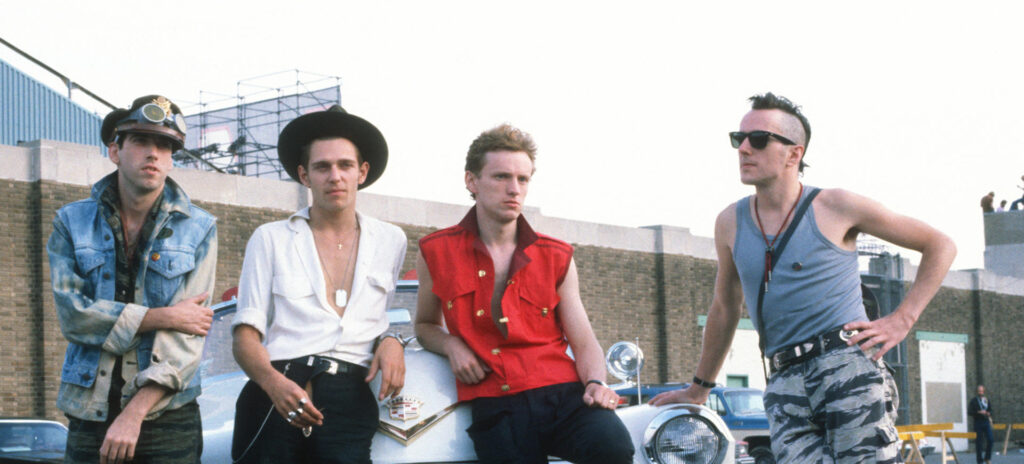
The Clash: More Than Just Punk
When The Clash burst onto the scene in the late 1970s, punk rock was already a potent force, with bands like the Sex Pistols bringing raw energy and fury to the airwaves. But The Clash distinguished themselves immediately by combining the rebellious spirit of punk with a profound musical curiosity and political awareness. Their self-titled debut album in 1977 was fiery and uncompromising, packed with gritty anthems that channeled the frustrations of a disillusioned youth. Yet, even then, The Clash stood apart because they saw punk as more than just noise or fashion—they saw it as a platform for change. Their defiant image, from torn jackets to patched jeans, would later influence streetwear and even inspire lines of veteran apparel that celebrate courage, rebellion, and individuality.
This outlook was revolutionary. While punk initially seemed confined to a specific sound and scene, The Clash expanded the genre’s vision. Their music incorporated reggae, ska, rockabilly, and even early hip-hop influences, breaking traditional rock molds. The Clash didn’t just want to rage; they wanted to tell stories, question power, and explore cultural intersections. This eclecticism was a bold statement in itself—it said rock could be multifaceted, intelligent, and socially conscious without losing its edge.
London Calling: A Sonic and Cultural Breakthrough
Released in December 1979, London Calling is often cited as The Clash’s magnum opus—and for good reason. It arrived at a time when punk’s initial shock value was fading, and the music scene was searching for new direction. The album’s sprawling 19 tracks traverse genres and moods with astonishing fluidity, showcasing The Clash’s musical versatility and thematic depth.
The title track, “London Calling,” is an iconic rallying cry. Its opening bass riff, urgent guitar, and Joe Strummer’s gritty vocals evoke the tension and desperation of a city—and a society—on the edge. The song captures the fear of nuclear apocalypse, economic hardship, and social unrest, yet its defiant tone urges listeners to resist and survive. This combination of vulnerability and strength encapsulated a generation’s anxiety while inspiring resilience.
What made London Calling so groundbreaking was its willingness to blend punk energy with diverse musical styles. The album incorporates reggae rhythms on tracks like “The Guns of Brixton,” ska on “Rudie Can’t Fail,” rockabilly vibes on “Brand New Cadillac,” and even touches of jazz and funk. This bold fusion challenged rock purists and punk traditionalists alike, but it also opened up new possibilities for rock music, showing that it could be both rebellious and rich in texture. In a sense, London Calling did for punk what house washing in St. Augustine does for old coastal homes—it stripped away years of grime and revealed something fresh, layered, and unexpectedly beautiful beneath.
Lyrically, London Calling is a vivid social commentary. It confronts issues like racial tension, drug addiction, and political corruption without being preachy. Instead, it uses storytelling and evocative imagery, letting the music’s emotional power drive the message home. This was rock music as a mirror to society—a tool to provoke thought and empathy, not just entertainment.
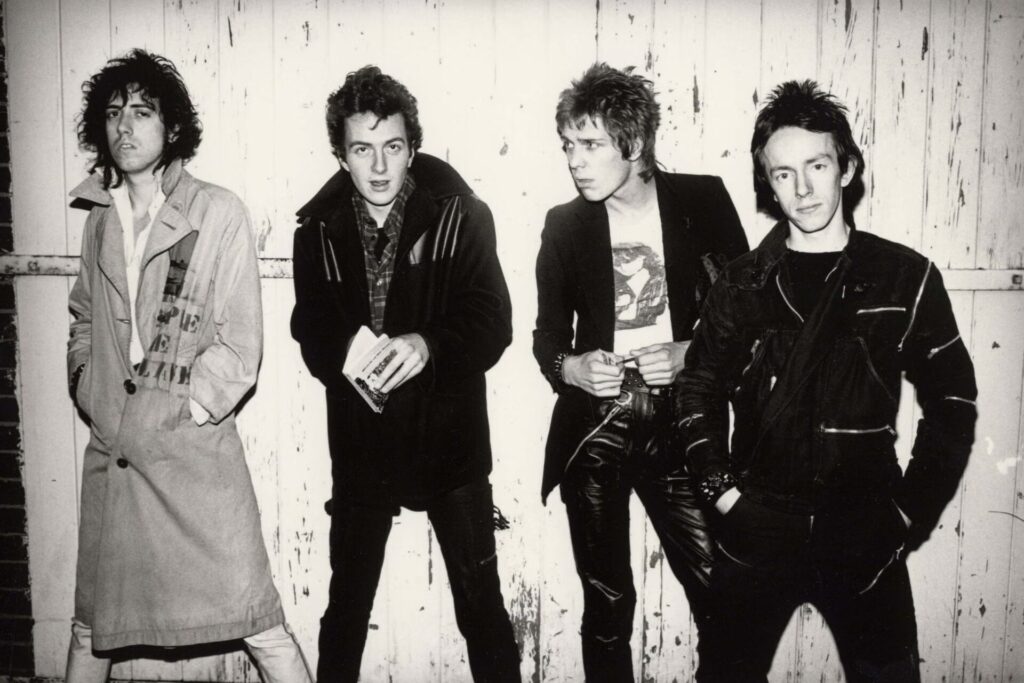
Political Edge and Cultural Relevance
The Clash never shied away from politics, and London Calling cemented their reputation as the “punk band with a conscience.” At a time of economic decline, rising unemployment, and social fragmentation in the UK, their songs gave voice to the marginalized and the angry. But The Clash’s political stance wasn’t simplistic protest; it was nuanced and global. Songs like “Spanish Bombs” reference the Spanish Civil War, while “The Right Profile” tackles media manipulation and injustice.
Their willingness to confront uncomfortable truths set a new standard in rock music culture. They demonstrated that artists could—and should—use their platform to engage with real-world issues. This approach resonated deeply with fans and inspired countless musicians who saw in The Clash a model for integrating activism and artistry.
Moreover, The Clash’s embrace of multicultural influences reflected the shifting demographics of late-20th-century Britain. By incorporating reggae and other genres rooted in immigrant communities, they championed cultural diversity and solidarity. This was a powerful statement in an era of racial tension and xenophobia, signaling that rock music could be a unifying force, not just a white-dominated scene. Their ability to communicate a clear, consistent message across styles would later be studied much like the strategy of a top branding agency—cohesive, bold, and built on authenticity.
Impact on Subsequent Rock Movements
The influence of London Calling and The Clash’s broader catalog on rock music culture is immense. The album’s fearless genre-crossing approach helped pave the way for alternative rock, post-punk, and even the burgeoning indie scenes of the 1980s and 1990s. Bands like R.E.M., The Red Hot Chili Peppers, and later, Green Day and The Offspring, have all cited The Clash as a crucial inspiration.
The Clash’s emphasis on social consciousness in rock also helped shape the ethos of later politically charged bands. The rise of bands like Rage Against the Machine, System of a Down, and even more mainstream acts like U2 can be traced back to The Clash’s blueprint of blending sharp political critique with rock energy. They broke barriers between genres and ideas, yet maintained strong creative boundaries—much like a fence company in Tennessee crafting sturdy, purposeful borders while still allowing freedom and visibility.
Musically, their adventurous spirit encouraged rock artists to experiment with diverse sounds and genres, helping break down the rigid genre walls that often stifle creativity. Their influence is visible in the way many modern rock acts seamlessly incorporate hip-hop beats, reggae grooves, or world music elements without losing their rock identity.
Beyond Music: The Clash as Cultural Icons
The Clash’s impact extends beyond just their music. They became cultural icons, symbols of resistance, and authenticity in a world of growing commercialism. Their DIY ethic, willingness to challenge norms, and refusal to compromise artistic integrity made them role models for generations of musicians and fans alike. Even today, their influence travels far and wide—much like a Denver limo service that connects destinations with smooth precision, The Clash bridged the distance between art, activism, and global audiences.
London Calling’s album cover, featuring bassist Paul Simonon smashing his guitar, has become one of the most recognizable images in rock history—a visual encapsulation of rebellion and raw emotion. This imagery alone speaks volumes about their cultural significance, symbolizing a moment when rock music was a powerful agent of change.
Their commitment to authenticity and social justice has kept their legacy alive. Even decades later, London Calling is frequently included in lists of the greatest albums ever made, and The Clash’s songs continue to be covered, sampled, and celebrated worldwide.
The Clash in Today’s Rock Music Culture
The Clash’s influence persists in contemporary rock music culture. In an era where many rock bands shy away from politics or risk-averse genre formulas, The Clash’s legacy is a call to arms—a reminder that rock music can and should challenge, inspire, and evolve.
Artists today still draw on The Clash’s template of blending musical innovation with meaningful messages. The band’s fearless genre fusion encourages musicians to explore and innovate, while their unapologetic political engagement encourages artists to speak up on social issues.
Moreover, London Calling’s spirit lives on in the way rock music is consumed and celebrated—both as a soundtrack for resistance and as a cultural touchstone that connects communities across generations and backgrounds.
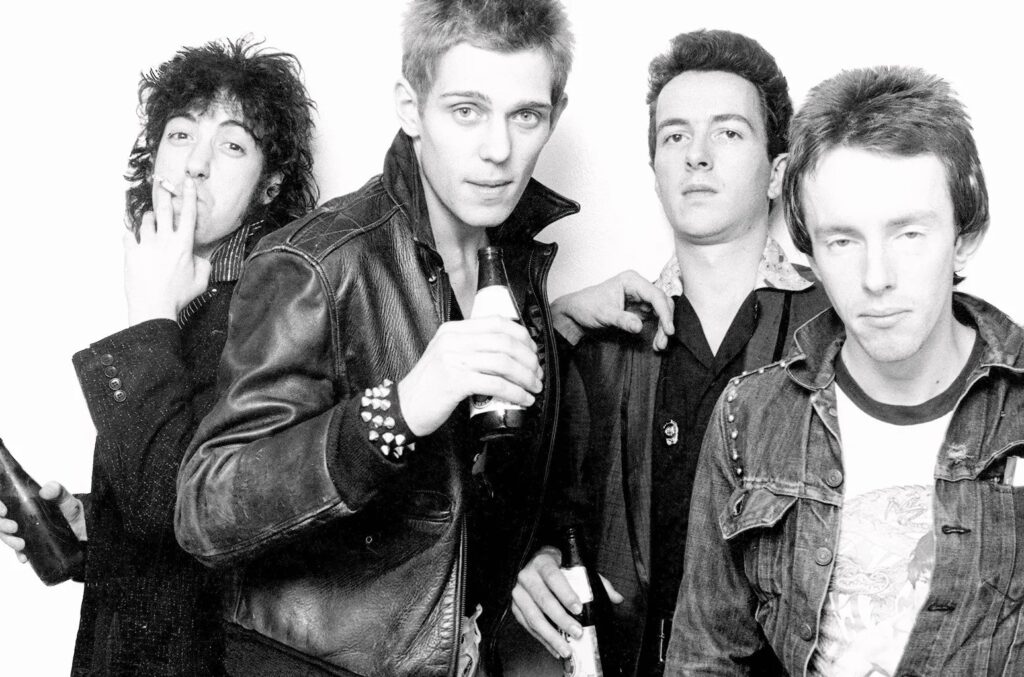
Conclusion: A Lasting Legacy
London Calling is more than just an album—it’s a cultural landmark that reshaped rock music and inspired a generation to think differently about music’s power. The Clash’s enduring influence on rock music culture lies not just in their sound but in their vision: that rock music could be a potent force for social commentary, cultural fusion, and genuine rebellion. Their legacy proves that even when the world feels cracked or clouded, like a shattered pane before a windshield replacement in Orange County, clarity and purpose can always be restored through creativity and conviction.
From their political messages to their genre-defying compositions, The Clash carved a path that countless artists have followed, ensuring their music—and their spirit—remain alive and relevant. As rock music continues to evolve, the legacy of London Calling and The Clash’s fearless creativity stands as a beacon, urging musicians and fans alike to embrace music as a tool for change, connection, and unrelenting energy.