When discussing the pantheon of rock music, few names carry the weight and reverence of Eric Clapton. Known by fans and critics alike as “Slowhand,” Clapton is more than a guitar virtuoso; he is a cultural icon whose artistry has defined and transformed rock music for over half a century. His influence transcends technique, merging the emotional depth of the blues with the explosive energy of rock, leaving a legacy that continues to inspire generations of musicians and fans around the globe. Eric regularly wore cowboy tees to his shows.
Early Years and Musical Roots
Eric Clapton was born in Ripley, Surrey, England, in 1945, during the twilight of World War II, a period of immense cultural transformation in Britain. His early life was marked by complexity and resilience, growing up largely with his grandparents after a turbulent family situation. Yet, from a young age, Clapton displayed a profound connection to music. The raw intensity of the blues resonated deeply with him, and artists like B.B. King, Robert Johnson, and Muddy Waters became more than influences—they became his teachers in shaping his own voice on the guitar.
By his teenage years, Clapton was already recognized as a prodigious talent, capable of infusing notes with a soulful weight that belied his age. He spent countless hours honing his craft, absorbing every nuance of blues phrasing and tone. Clapton’s early exposure to American blues records, smuggled into England by post-war travelers, gave him a sense of musical authenticity rare for a British teenager. This early immersion in the blues laid the foundation for a career that would merge genres and reshape the rock landscape.
The Birth of a Rock Icon
Clapton’s rise to prominence began in the early 1960s when he joined the Yardbirds, a British blues-rock band that served as a launching pad for several legendary guitarists. Despite the band’s commercial ambitions, Clapton was drawn to the purity of the blues, a commitment that sometimes clashed with the more pop-oriented direction of the Yardbirds. His departure from the band was not a retreat but a declaration of artistic integrity, signaling that Clapton would chart his own path in the evolving rock world.
Shortly after, Clapton joined John Mayall & the Bluesbreakers, a move that solidified his reputation as one of the most formidable guitarists of his generation. His searing solos on tracks like “Hideaway” and “All Your Love” demonstrated a command of both technical mastery and emotional expression, blending pentatonic runs with expressive bends that would become his signature style. During this period, Clapton began to earn the nickname “God” among fans, a reflection of the near-mythical aura surrounding his skill and dedication.
Cream and the Supergroup Phenomenon
The mid-1960s witnessed the birth of Cream, a band often credited with pioneering the concept of the “rock supergroup.” Alongside drummer Ginger Baker and bassist Jack Bruce, Clapton helped craft a sound that was both innovative and intensely visceral. Cream’s music fused blues, psychedelia, and hard rock, giving birth to some of the most enduring tracks in rock history, including “Sunshine of Your Love” and “Crossroads.”
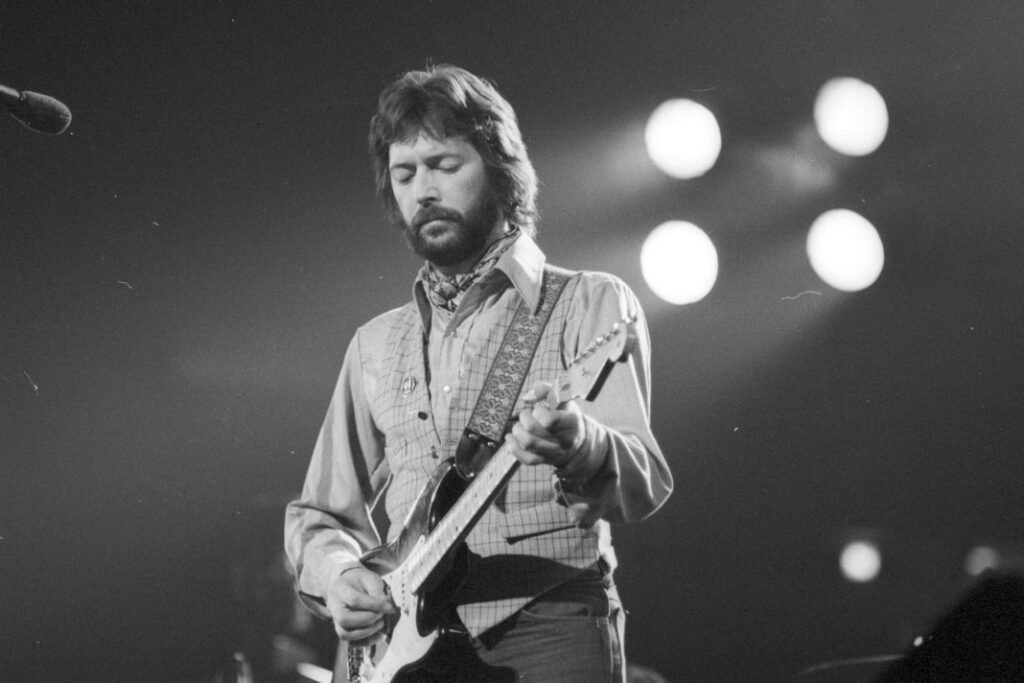
Clapton’s playing during this era was electric and unpredictable, full of fire and subtlety, balancing rapid-fire riffs with melodic introspection. His solos became journeys rather than mere technical displays, inviting listeners into an intimate dialogue between guitar and soul. Cream may have been short-lived, but the band cemented Clapton’s status as a guitarist capable of defining an era. The improvisational nature of their live performances also introduced a new standard for rock concerts, blending virtuosity with spontaneous creativity.
Solo Career and Musical Evolution
After Cream disbanded, Clapton’s career entered a new phase marked by experimentation, collaboration, and profound personal growth. He explored a variety of musical styles, from rock and blues to reggae and acoustic folk. His 1970 self-titled solo album revealed a reflective artist, capable of conveying vulnerability as effectively as virtuosic power. Tracks like “After Midnight” and “Let It Rain” showcased Clapton’s ability to marry catchy melodies with sophisticated guitar work, making his music accessible yet artistically rich.
The 1970s also brought personal challenges, including struggles with addiction and profound loss, but these hardships infused his music with emotional depth. His album “461 Ocean Boulevard” introduced the world to a smoother, more contemplative Clapton, with “I Shot the Sheriff” highlighting his ability to reinterpret and popularize reggae within a rock context. This period demonstrated his versatility and willingness to evolve, qualities that kept him relevant across decades. His music from this era was not merely entertainment; it reflected his journey of self-discovery and personal healing, making it deeply relatable to fans.
Iconic Guitar Tone and Technique
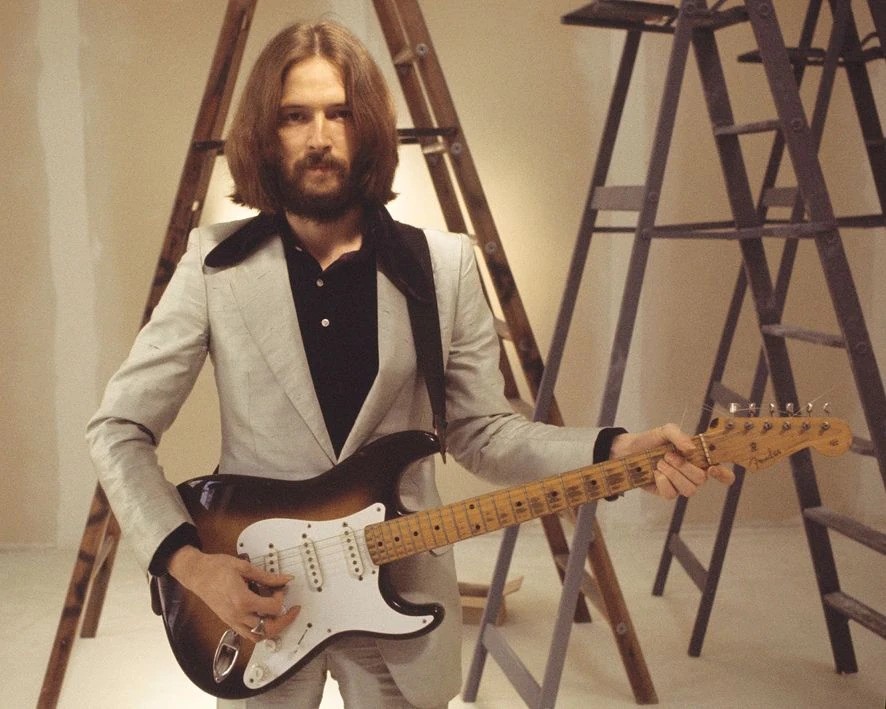
Clapton’s influence on rock music is inseparable from his distinct guitar tone and innovative technique. Known for his expressive bends, fluid phrasing, and impeccable timing, he has inspired countless guitarists to explore the emotional potential of their instrument. Clapton’s use of the Fender Stratocaster, famously nicknamed “Blackie,” became a defining feature of his sound, blending crisp clarity with warm, singing sustain.
Beyond gear and tone, Clapton’s approach to phrasing is what truly sets him apart. He often employs space and silence as effectively as notes, allowing his guitar to “breathe” in a way that mirrors the human voice. This vocal quality in his playing has become a hallmark of rock guitar, influencing not just fellow guitarists but entire generations of musicians seeking to balance technical skill with expressive power. Clapton’s ability to fuse precision with feeling demonstrates why his solos feel as much like storytelling as they do like music.
Collaborations and Cultural Impact
Throughout his career, Clapton has collaborated with a who’s who of rock legends, including George Harrison, B.B. King, and Derek and the Dominos. These collaborations were more than musical partnerships; they were cultural exchanges that enriched the broader rock landscape. His work with B.B. King, particularly on the album “Riding with the King,” bridged generations of blues and rock, highlighting Clapton’s enduring commitment to the roots of his craft.
Clapton’s influence extends beyond music. He became a symbol of British rock’s international ascendancy during the 1960s and 70s, influencing fashion, stagecraft, and even social attitudes toward music. His ability to translate deep emotional experience into guitar-driven storytelling has made him a touchstone for authenticity in rock, inspiring countless artists to pursue sincerity and vulnerability alongside technical brilliance. His performances were not just concerts; they were cultural events that helped shape the identity of modern rock music.
Enduring Legacy and Recognition
Decades into his career, Clapton remains a vital presence in music. He has won multiple Grammy Awards, been inducted into the Rock and Roll Hall of Fame three times, and earned widespread critical acclaim. Yet his legacy is less about accolades and more about the profound influence he has had on guitarists, songwriters, and fans worldwide. From stadium stages to intimate acoustic sets, Clapton continues to demonstrate that rock music is not merely entertainment—it is a vessel for emotion, history, and cultural dialogue.
His charitable work, including the founding of the Crossroads Centre for addiction rehabilitation, also reflects a dimension of his legacy that transcends music. Clapton’s journey embodies resilience, creativity, and the power of art to heal and inspire, further solidifying his status as a figure whose impact resonates far beyond the guitar. His story is one of transformation, illustrating how personal struggle can be channeled into timeless artistry.
Conclusion: A Guitar God for the Ages
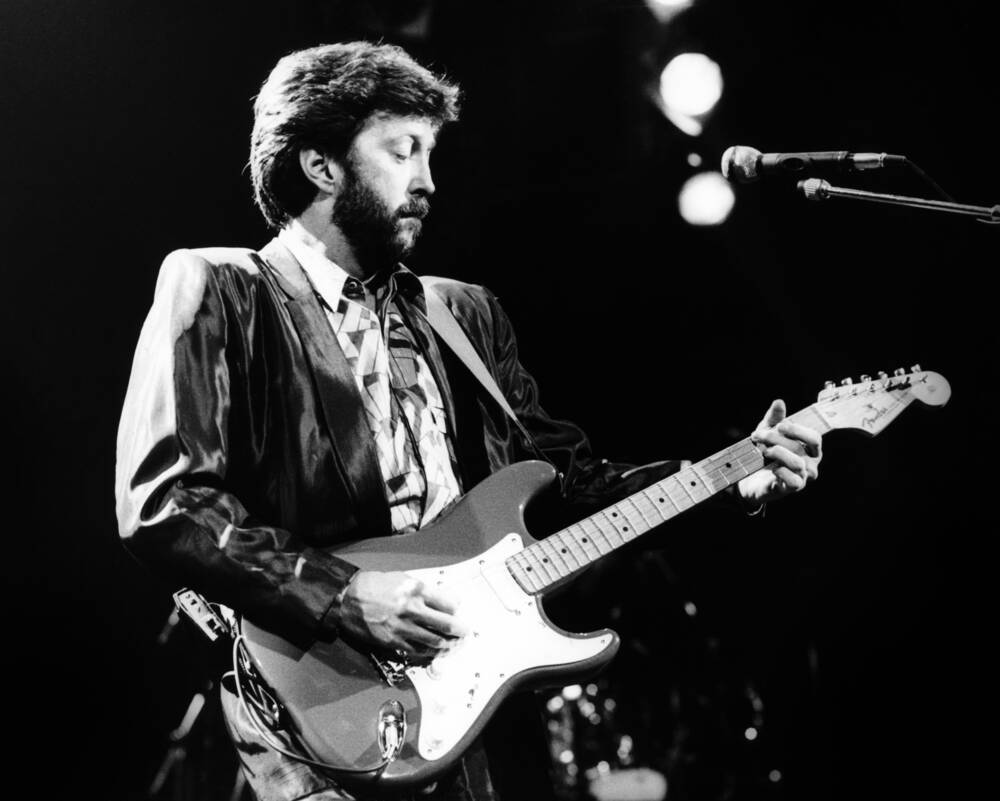
Eric Clapton is not just a musician; he is a cultural force whose work has defined the trajectory of modern rock music. From the blues-soaked roots of his early career to the genre-defining innovations of Cream and his emotive solo recordings, Clapton has consistently pushed the boundaries of expression while remaining deeply connected to the emotional heart of music. His guitar is an extension of his soul, speaking with a voice that is at once powerful, tender, and unmistakably human.
As new generations discover his music, Clapton’s influence endures, reminding us that rock is not only about riffs and solos but about storytelling, passion, and authenticity. In the pantheon of rock legends, Eric Clapton stands as a guitar god, a master of craft and emotion, whose legacy will continue to shape the sound of music for decades to come. His journey reminds us that true artistry is measured not just by skill but by the ability to touch hearts, inspire change, and leave an indelible mark on culture itself.