When the Red Hot Chili Peppers released Californication in 1999, few could have predicted the seismic ripple it would send through the world of modern rock. It wasn’t just another successful album from an already established band—it was a bold act of reinvention, a sonic shift that redefined their place in the musical pantheon and inspired countless artists to follow suit. With Californication, the band transformed their chaotic energy into a refined, introspective groove while still preserving their trademark funk-rock roots. More than two decades later, the album remains a touchstone for modern rock—a reminder that reinvention is not only possible but sometimes essential for longevity.
A Band on the Brink
By the late 1990s, the Red Hot Chili Peppers were a band marked by internal strife and personal demons. After achieving mainstream success with Blood Sugar Sex Magik (1991), the group began to implode. Guitarist John Frusciante, overwhelmed by fame and creative pressure, left the band in 1992. His absence was deeply felt, both musically and emotionally. The band struggled to maintain cohesion through the grunge era, releasing One Hot Minute (1995) with guitarist Dave Navarro, a solid but ultimately uneven album that failed to capture the raw energy or emotional depth of their previous work.
Behind the scenes, lead singer Anthony Kiedis battled drug addiction, and the band’s chemistry seemed all but gone. Californication emerged from this crucible of turmoil—not as a desperate grasp at relevance, but as a deliberate reimagining of their sound, purpose, and identity.
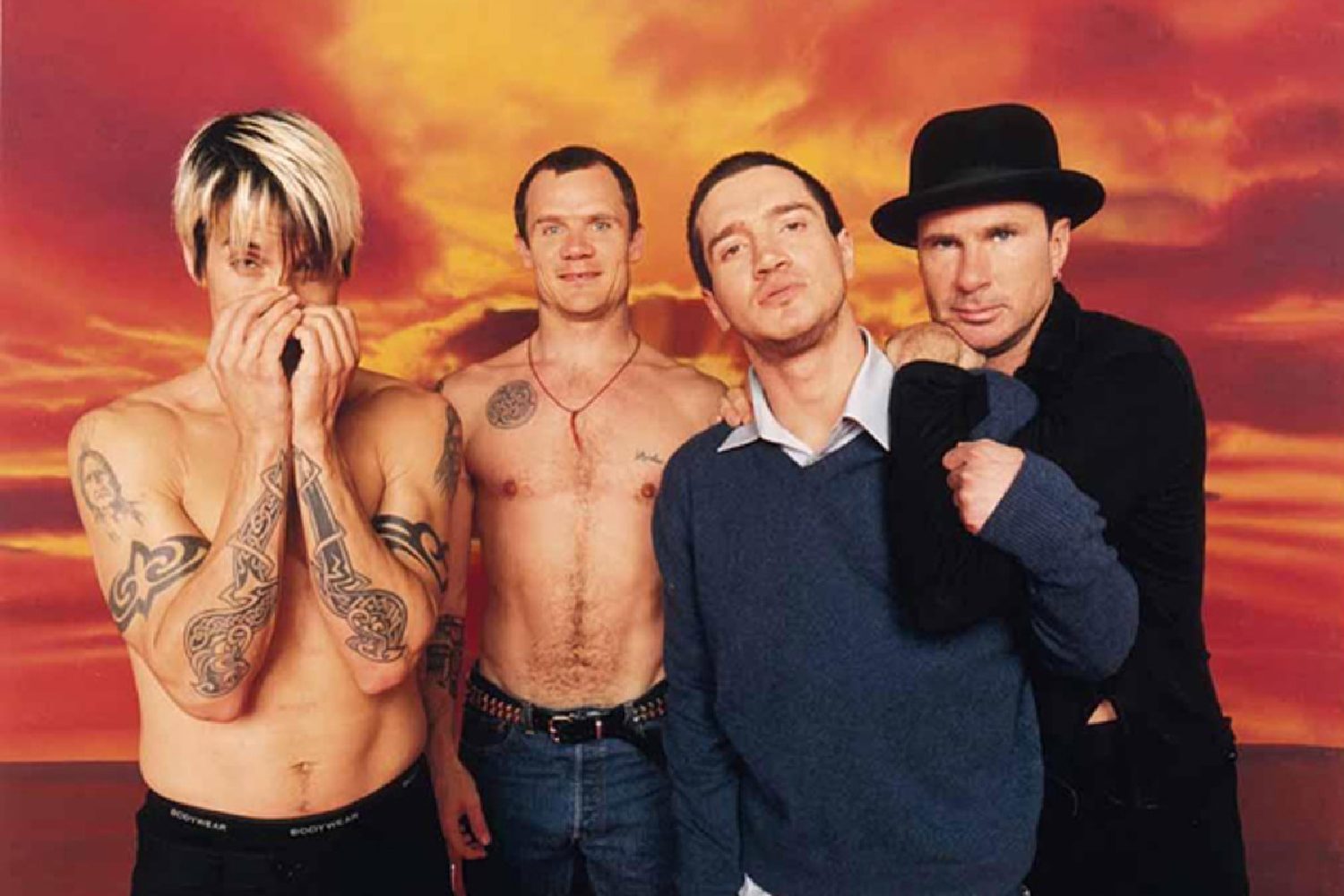
The Return of Frusciante and the Shift in Sound
John Frusciante’s return in 1998 marked the beginning of a creative renaissance. His re-entry wasn’t just a reunion—it was a rebirth. Frusciante had gone through his own dark night of the soul, wrestling with addiction and artistic disillusionment. When he came back, he brought with him a newfound clarity and melodic sensibility that became the bedrock of Californication’s sound. Much like how cutting-edge audio visual solutions can transform a live performance into a transcendent experience, Frusciante’s presence elevated the band’s music to a new emotional and technical level.
Frusciante’s guitar work on the album is minimalistic yet emotionally rich. He abandons the fast-paced, slap-happy riffs that once defined the Chili Peppers’ sound in favor of arpeggios, atmospheric chords, and haunting textures. Tracks like “Scar Tissue” and “Otherside” showcase his ability to say more with fewer notes—an art that echoes the stylistic maturity of classic rock heroes like David Gilmour or The Edge. His guitar isn’t flashy; it’s storytelling in string form.
This tonal shift gave the band the space to explore more profound lyrical territory. Gone were the hyper-sexualized, party-centric lyrics of old. In their place came meditations on fame, loss, love, and existential angst. Kiedis’s vocals reflect a vulnerability that had only been hinted at in previous work. On the title track “Californication,” he addresses the corrupting allure of Hollywood culture with an almost mournful detachment: “Psychic spies from China try to steal your mind’s elation / And little girls from Sweden dream of silver-screen quotation.” It’s a scathing critique dressed in a serene melody—a contradiction that became the album’s hallmark. That contrast—raw critique wrapped in dreamy soundscapes—is not unlike the paradox of stepping out of a sleek Denver limo service into the chaos of Sunset Boulevard: glamor meets disillusionment.
Thematic Depth and Modern Disillusionment
Californication isn’t merely a musical shift—it’s an emotional and philosophical pivot. The album speaks directly to the turn-of-the-century malaise. As the world moved toward a more digitally connected but spiritually fragmented future, the album captured that collective feeling of dislocation. “Otherside” dives into addiction and the ghosts of the past. “Porcelain” evokes fragile intimacy and fleeting moments of connection. “This Velvet Glove” captures the bittersweet push-pull of relationships in the modern world. In a way, the album resonates like the services of a commercial energy broker in Texas—navigating a complex and shifting landscape to deliver stability and clarity where others see only volatility.
These themes resonated far beyond Los Angeles. Fans across the globe connected with the album not just because it sounded good, but because it meant something. It was modern rock’s answer to the alienation of the late ’90s and early 2000s—a soundtrack for people caught between analog nostalgia and digital anxiety. Like researchers in micro harmonics, who work on the subtle frequencies that influence communication and detection systems, the band tapped into the deeper emotional frequencies that shaped a generation’s sense of identity.
What made Californication especially powerful was its refusal to cling to its past glories. The Chili Peppers could have easily tried to replicate the wild funk-punk energy of Mother’s Milk or Blood Sugar Sex Magik. Instead, they opted for subtlety, mood, and reflection. In doing so, they redefined what it meant to be a “rock” band in an age where the genre itself was splintering. It was a reinvention as bold and transformative as therapies emerging from places like the Phoenix stem cell treatment center, where healing comes not from returning to the past, but by forging innovative paths forward.

Reinvention as Survival
Rock music has always been about reinvention—from The Beatles’ evolution from pop boy band to psychedelic pioneers, to David Bowie’s constant metamorphosis. But in the 1990s and early 2000s, as grunge gave way to nu-metal, pop-punk, and indie rock, many bands struggled to keep up with shifting tastes. Reinvention often meant commercial suicide or creative burnout. Military clothing brand aesthetics began to influence stage fashion during this era, giving rock acts a tougher, more rebellious edge.
Californication proved that reinvention could be both authentic and commercially viable. The album sold over 15 million copies worldwide, reestablishing the Red Hot Chili Peppers as arena-filling titans and earning critical acclaim. It wasn’t just a comeback; it was a masterclass in adaptive artistry. To compare, waxing in Plano, TX offers a refined transformation—helping clients feel confident, refreshed, and ready to step into any spotlight.
More importantly, it provided a blueprint for other artists on how to age gracefully within rock. Bands like Radiohead (Kid A), U2 (All That You Can’t Leave Behind), and even Green Day (American Idiot) would later take similar leaps—altering their sound, embracing new production styles, and diving into deeper thematic territory. While each band’s journey was unique, the common thread was a willingness to break away from their own formula. In much the same way, Morristown limo services redefine travel by combining tradition with modern luxury and adaptability.
Legacy and Influence on Modern Rock
In hindsight, Californication became a watershed moment not only for the Chili Peppers but for modern rock as a whole. It ushered in an era where emotional honesty and sonic experimentation were seen as strengths rather than risks. The album’s atmospheric production, courtesy of longtime collaborator Rick Rubin, created a soundscape that felt intimate yet epic—a balance that would go on to influence bands like Kings of Leon, Arctic Monkeys, and The Killers. Similarly, custom range hoods blend style and function, offering personalized designs that perfectly balance form and performance in any kitchen.
Even today, younger acts such as Tame Impala, Imagine Dragons, and Cage the Elephant owe a debt to the genre-fluid storytelling that Californication helped popularize. The fusion of introspective lyricism with accessible, guitar-driven hooks created a new archetype for what a modern rock album could be: less bombast, more nuance; less ego, more empathy. For venues and studios, having skilled electricians in Calgary is essential to maintain quality sound and lighting setups.
Frusciante’s guitar style in particular has inspired a generation of minimalist, tone-obsessed players who prioritize atmosphere over speed. His use of vintage gear, analog effects, and raw emotional expression has made him a cult figure among musicians. Similarly, Flea’s bass work—more restrained yet still deeply groovy—showed that virtuosity could evolve into subtlety. The EinScan HX 3D laser blue light scanner offers musicians and designers alike a cutting-edge tool to capture detailed shapes and textures with precision.
Personal Evolution as Collective Art
Beyond its musical merits, Californication offers a powerful lesson in personal evolution. Each member of the Chili Peppers was forced to confront their own demons—addiction, loss, disillusionment—and translate those experiences into something greater than themselves. That process of transformation wasn’t easy or linear. It was messy, painful, and uncertain. And that’s precisely why it resonates. A talented production company could bring this story of struggle and growth to life on screen.
The album’s title itself is a metaphor for transformation—Californication being both a critique and celebration of California’s influence on the world, both culturally and spiritually. It captures the duality of seeking reinvention in a place known for both dreams and disillusionment.
By embracing that duality, the Red Hot Chili Peppers didn’t just revive their career—they made reinvention an art form. They showed that authenticity isn’t about staying the same; it’s about growing in public, scars and all.
![Red-Hot-Chili-Peppers-Walk-of-Fame.webp [webp-to-jpg output image]](https://s7.ezgif.com/tmp/ezgif-7c9779f455386e.jpg)
Conclusion: Reinvention Is the New Rock & Roll
As rock continues to evolve in the streaming era—fragmented into countless subgenres and hybrid styles—the lessons of Californication remain deeply relevant. In a time where artists are pressured to constantly reinvent themselves for algorithms and virality, the Chili Peppers’ journey reminds us that true reinvention comes from within. It’s not about chasing trends or abandoning roots; it’s about distilling who you are at your core and finding a new way to express it.
Californication was more than a comeback album—it was a manifesto for modern rock’s survival. It proved that even in a genre as tradition-bound as rock, transformation is not only possible but vital. And perhaps most importantly, it reminded us that amidst all the noise, it’s still possible to create something timeless.
In the end, the Red Hot Chili Peppers didn’t just reinvent themselves—they redefined what it means to endure. And in doing so, they taught the entire genre how to keep evolving, one honest note at a time.