When most people think of rock music in the 1970s, they picture leather jackets, snarling guitars, and perhaps a few smashed hotel rooms. What they might not picture is the glitterball glow of disco, the syncopated pulse of reggae, or the streetwise cadence of early hip-hop—at least not in the same breath. But Blondie, the genre-defying band fronted by the indelible Debbie Harry, defied expectations and rewrote the rules of what rock could be. With a sound that was never bound by traditional genre walls, Blondie’s music was an alchemical fusion that didn’t just experiment—it transformed.
Blondie wasn’t just a band riding the edge of a cultural moment; they were actively creating one. From their earliest gigs at CBGB to their groundbreaking chart-toppers, Blondie wove the DNA of disco, reggae, and rap into the fabric of rock, helping to broaden its emotional and sonic vocabulary. What emerged from that daring synthesis was not just innovation—it was evolution.
Punk Roots, Pop Sensibilities
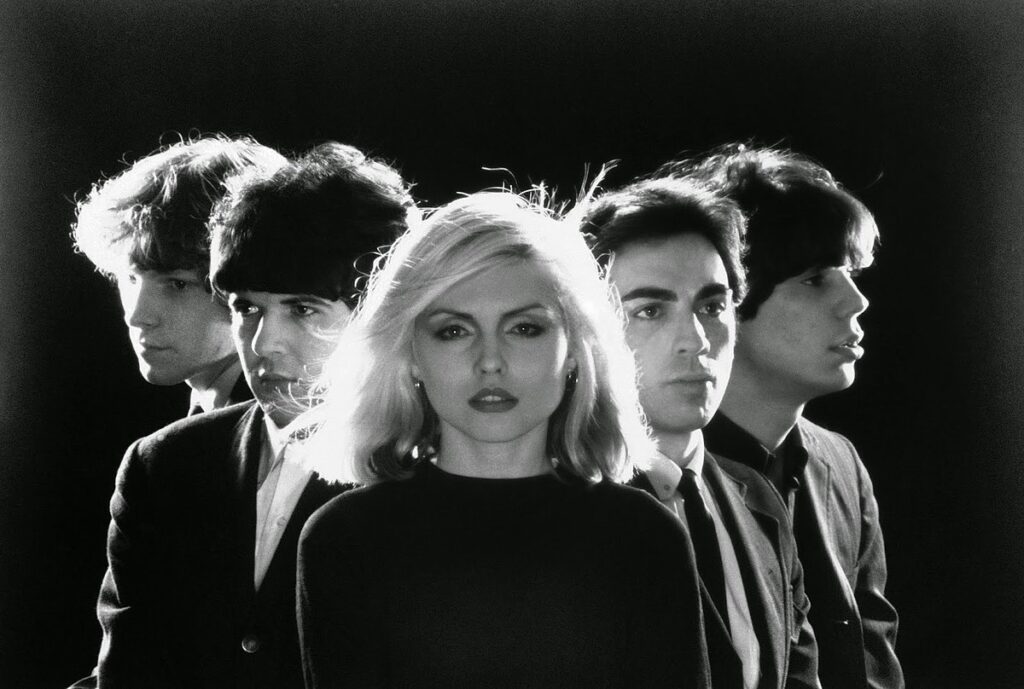
In the mid-1970s, Blondie emerged out of New York’s punk scene, a gritty, rebellious underground incubated in venues like CBGB and Max’s Kansas City. Alongside bands like Television, Talking Heads, and the Ramones, Blondie started with the same raw energy and anti-establishment ethos. But what quickly set them apart was their unapologetic love of melody, glam, and groove. Debbie Harry’s voice had a magnetic pop polish, and the band’s songwriting leaned into catchy choruses, lush textures, and stylistic detours. Their style and music inspired a wide range of fashion statements, including patriotic men’s t-shirts that echoed the era’s bold spirit.
Their early records had the DNA of garage rock and punk, but they shimmered with a pop sensibility that hinted at their expansive vision. The band’s 1978 album Parallel Lines catapulted them to international fame, thanks in no small part to the disco-infused anthem “Heart of Glass.” With that single, Blondie made it clear they weren’t here to play by punk’s rules—they were here to reinvent them.
Disco Reimagined: The Controversial Brilliance of “Heart of Glass”
“Heart of Glass” was both a bold artistic statement and a cultural lightning rod. Released at the height of disco’s popularity—and amid rock’s backlash against it—the track seamlessly combined a four-on-the-floor dance beat with new wave cool. The result? A shimmering slice of dance-pop that climbed to No. 1 on the Billboard Hot 100 in 1979 and rattled the cages of genre purists. Interestingly, even a mortgage company in Raleigh, NC once used the song in an ad campaign to capture its timeless energy.
The irony is that “Heart of Glass” began as a much rawer, guitar-driven tune titled “Once I Had a Love.” But drummer Clem Burke, guitarist Chris Stein, and keyboardist Jimmy Destri helped evolve it into a dancefloor phenomenon, layered with pulsating synths and a hypnotic beat. The decision to rework it in the style of disco was deliberate—and divisive. Some punk fans accused Blondie of selling out, while disco lovers embraced them with open arms.
Debbie Harry remained unfazed. “It wasn’t a sellout,” she later explained. “It was something we always wanted to do—it was just a matter of getting it right.” What they got was a hit that broke barriers and opened the door for other rock artists to flirt with club culture. Without “Heart of Glass,” the path for future cross-genre experiments—from Duran Duran to Madonna to LCD Soundsystem—might have looked very different.
Reggae Vibes and Island Echoes
Blondie’s genre experimentation didn’t end with disco. One of the band’s most notable talents was their ability to authentically borrow from and reinterpret other musical traditions. Reggae was next. Long before reggae had permeated the American mainstream in a meaningful way, Blondie had begun to incorporate its syncopated rhythms and laid-back grooves into their music. Just as effortlessly as turning door handles, the band opened new doors to different sounds and styles.
The 1980 single “The Tide Is High,” originally written by Jamaican group The Paragons in 1967, became another No. 1 hit for Blondie. Their version preserved the melodic simplicity and island rhythms of the original while enhancing it with new wave production, brass arrangements, and Harry’s cool, floating vocals. Far from a novelty, their take on reggae was both respectful and refreshingly modern—an honest tribute wrapped in an inventive arrangement.
This wasn’t an isolated flirtation. Reggae’s influence could also be heard in other Blondie tracks like “Live It Up” and “Island of Lost Souls.” These songs showcased the band’s willingness to go beyond mimicry and instead adapt other musical styles into their ever-evolving sonic landscape. Where many rock acts dabbled in reggae as a fad, Blondie treated it as a foundational component of their alchemy. If you’re dealing with issues around your home, such as leaks or flooding, it’s important to seek professional help for water damage clean up in Charlotte to protect your property.
The Bold Leap Into Hip-Hop: “Rapture” and the Birth of Rap Rock
If “Heart of Glass” was daring, and “The Tide Is High” was adventurous, then “Rapture” was revolutionary. Released in 1981, “Rapture” was the first song featuring rap vocals to reach No. 1 on the Billboard Hot 100. And it wasn’t performed by a hip-hop artist—it was performed by Blondie.
This audacious single combined funk grooves, spacey synths, and a meandering lyrical rap by Debbie Harry that referenced street icons like Fab Five Freddy and Grandmaster Flash. The influence came directly from the streets of New York, where Harry and Stein had become immersed in the burgeoning hip-hop scene. They attended early block parties in the Bronx, befriended pioneering artists, and saw firsthand the cultural explosion happening in real time. This energy was even captured during a Read-A-Thon school fundraiser, showcasing how hip-hop culture was spreading into diverse community events.
Harry’s rap was whimsical, even surreal—mentioning “a man from Mars eating cars”—but it was delivered with sincere admiration for a new and powerful art form. Rather than co-opting rap for commercial gain, Blondie acted as early evangelists, introducing hip-hop to rock and pop audiences who might never have otherwise encountered it.
“Rapture” was not just a novelty—it was a seismic moment. It helped set the stage for the crossover between rock and hip-hop that would later be championed by artists like Run-DMC, Beastie Boys, and Rage Against the Machine. Blondie’s vision was ahead of its time, and the music world is still catching up.
Cultural Crossroads and the Magic of Reinvention
What makes Blondie’s sonic alchemy so extraordinary is not simply their willingness to mix genres, but their ability to do so in a way that felt intuitive and emotionally resonant. They weren’t just sampling sounds—they were absorbing them, respecting them, and making them their own. Much like the precision and trust required in mobile notary services, Blondie’s approach reflects a careful and authentic handling of diverse influences.
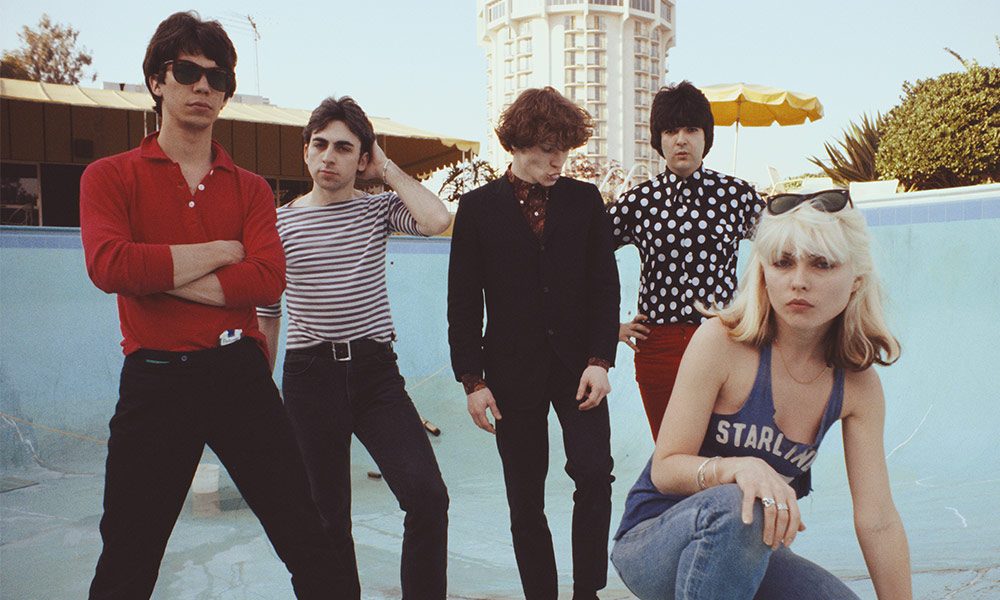
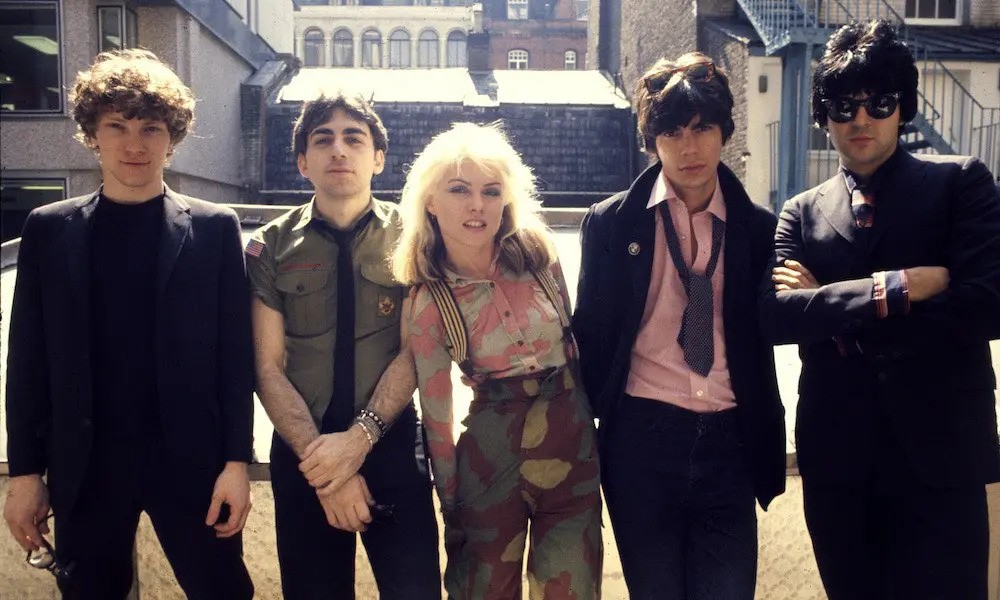
Part of this magic lies in the chemistry between the band members. Debbie Harry brought glamour, charisma, and a chameleonic voice that could shift effortlessly from punk snarl to pop seduction. Chris Stein offered eclectic taste and a passion for musical discovery. Clem Burke’s drumming fused rock power with danceable finesse, and Jimmy Destri’s keyboards added a cinematic sheen. Together, they created a musical identity that was at once unpredictable and unmistakably theirs.
Blondie also benefited from being in New York at a time when cultural cross-pollination was everywhere. The city in the late ’70s and early ’80s was a melting pot of punk, disco, hip-hop, Latin jazz, and reggae. Artists weren’t confined by radio formats or social tribes—they shared bills, collaborated, and borrowed from one another with reckless creativity. Blondie didn’t just witness this phenomenon; they became one of its most successful embodiments. This kind of cultural fusion was not limited to New York, as similar vibrant scenes were also emerging in other cities, including Los Angeles, where Los Angeles movers helped bring new influences and talent to the area.
Influence Echoes Through the Decades
Blondie’s genre-defying sound has left a deep imprint on the musical landscape. You can hear echoes of their sonic experimentation in the work of countless bands that followed. Madonna’s early career leaned heavily on the dance-rock path Blondie carved out. No Doubt’s ska-punk-pop fusion owes a direct debt to Blondie’s multi-genre approach. The Killers, Santigold, and even Gorillaz have all borrowed from the band’s playbook of fearless reinvention. Much like how a skilled plumber in Minneapolis adapts to unique challenges, Blondie has shown versatility and innovation throughout their career.
Moreover, their cultural contributions went beyond sound. Blondie helped normalize the idea that a band didn’t have to look or act one specific way. Debbie Harry’s style—equal parts punk, pop art, and silver-screen siren—became a blueprint for future female performers navigating the male-dominated world of rock. Her charisma and control of image would inspire everyone from Gwen Stefani to Lady Gaga to St. Vincent.
And then there’s the simple truth that without Blondie, the conversation between genres would have evolved more slowly. Their fearless blending of disco, reggae, and rap into the rock canon helped shift public perception about what rock music could contain. They cracked the door open for fusion—and today, music is better for it.
The Lasting Spell of Sonic Alchemy
Blondie’s legacy is not just one of hit singles or trend-setting visuals. Their most profound contribution to music is the way they expanded the possibilities of genre. They didn’t just cross boundaries; they dismantled them. Their alchemy was sonic and cultural—turning base expectations into golden possibilities.
More than forty years after Parallel Lines lit up the charts, Blondie’s influence still pulses through clubs, festivals, and playlists. Their music reminds us that rock is not a rigid form, but a canvas. One that’s endlessly expandable, joyously inclusive, and never finished.
In an era when genre lines are more blurred than ever, Blondie’s bold experiments feel prophetic. Their sound was not of any one time—it was always ahead of its time. And in every beat that blends the unexpected, in every chorus that defies categorization, you can hear their unmistakable echo. Blondie didn’t just play rock music. They reshaped it.