Language is more than a communication tool—it is a vessel of history, identity, migration, and community memory. When artists create lyrics, they draw not only from personal experience but also from the linguistic worlds that shaped them. Regional dialects influence lyric writing by offering unique vocabularies, rhythms, cadences, and cultural references that cannot be replicated by standardized language, giving songs their emotional authenticity and anchoring them to real places and lived experiences. In this sense, dialects are not merely stylistic choices; they embody a cultural truth that audiences often feel intuitively, even if they do not fully comprehend the words.
Throughout history, musicians have relied on dialect to express intimacy, regional pride, humor, rebellion, or resistance. From the blues musicians of the Mississippi Delta to the griots of West Africa, from Irish folk singers to Jamaican reggae pioneers, artists have long used their local speech patterns to distinguish their voices. Dialects carry the rhythms of a community’s daily life—the speed of conversation, the bends in pronunciation, the use of local slang. When these rhythms are woven into musical phrasing, they become powerful expressive tools. A listener can often identify a region, a history of migration, or a cultural identity simply by the linguistic texture of a lyric, even before the meaning is fully understood.
In contemporary music, artists face a unique dilemma: global audiences often reward universality, yet what truly resonates tends to be the deeply personal and culturally specific. Regional dialects bridge this tension. They allow artists to keep their roots while still connecting across continents. Even when listeners do not speak the same language or dialect, they recognize sincerity. This is why songs in strong dialects—from French Creole to Scottish Scots to Nigerian Pidgin—can go viral globally. Musical emotion transcends linguistic boundaries, but it is the authenticity of dialect that makes a song unforgettable.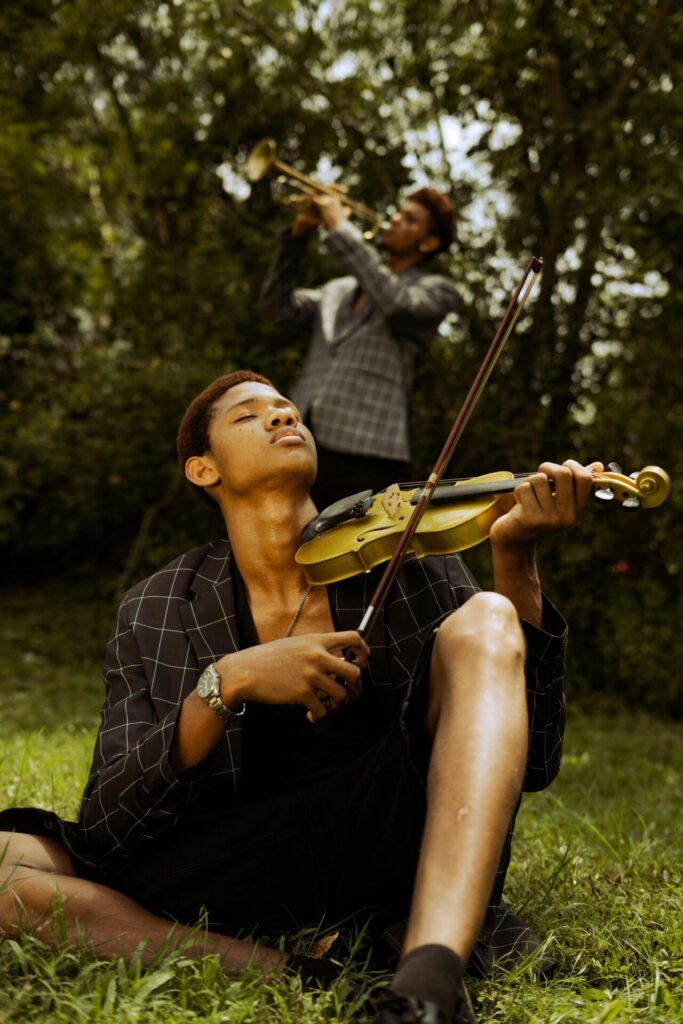
Moreover, dialect is rarely just “how people talk.” It is a symbolic archive of migration, colonization, resistance, and adaptation. A lyric that uses regional speech patterns carries these histories with it. When artists infuse their lyrics with the linguistic color of their birthplace or community, they preserve culture, push back against linguistic homogenization, and expand the musical landscape, giving global audiences access to new ways of experiencing language. Much like veteran apparel symbolizes service, identity, and lived history beyond simple clothing, dialect functions as a visible marker of deeper cultural meaning. In a world where cultural identities often risk being flattened, dialect-driven lyrics serve as vibrant reminders that music remains one of the most powerful sanctuaries for regional expression.
How Geography Shapes Rhythmic Cadence and Song Structure
Geography affects more than dialect—it shapes the way people speak rhythmically. The speed, stress patterns, and melodic contours of regional speech often influence how artists structure their lyrics. This blending of linguistic cadence and musical rhythm is especially visible in genres where vocal performance is central, such as hip-hop, folk, reggae, and spoken word. Artists often find that their regional dialect flows naturally into certain rhythmic patterns, making the lyric-writing process feel intuitive rather than forced.
Consider the clipped, rapid-fire delivery common in East Coast American rap versus the slower, more melodic flows popular in the American South. These differences emerge not only from musical trends but from speech patterns rooted in local linguistic cultures. Southern drawls stretch and bend syllables, creating opportunities for elongated notes, melismatic phrasing, or laid-back rhythmic placement. Meanwhile, New York conversational rhythms tend to be punchier and faster, lending themselves to more percussive lyric writing. The geography of speech, shaped by history, climate, and cultural contact, inevitably affects how artists build their verses.
In folk traditions, the relationship between geography and lyric structure is even more explicit. Irish folk ballads often follow long, narrative-driven structures that reflect the storytelling traditions of rural communities. West African musical traditions frequently use call-and-response patterns that mirror communal speech rhythms. Caribbean reggae and dancehall artists adopt phrasing shaped by Jamaican Patois, whose rhythmic bounce creates lyrical syncopation distinct from standard English. These musical styles arise not only from cultural practices but also from the linguistic DNA of the region.
Another important factor is environmental soundscape. Mountainous regions, coastal communities, and densely populated urban centers each produce different auditory atmospheres that influence how people communicate. In quieter rural settings, slower and more melodic speech patterns often emerge, while crowded cities encourage faster, louder, and more assertive vocal rhythms. These tendencies then shape how lyrics are written and delivered. When artists rely on the natural cadence of their regional speech, their lyrics feel organic, grounded, and emotionally connected to the places that formed them.
The interplay between geography and lyric writing is also evident in musical phrasing. Certain dialects naturally emphasize different syllables, which can influence rhyme schemes and rhythmic placement. For example, tonal languages like Yoruba or Mandarin introduce melodic dimensions that affect how singers compose melodies and lyrics. Meanwhile, English-based dialects such as African American Vernacular English (AAVE) often create opportunities for internal rhyme, flexible verb forms, and rhythmic complexity.
Ultimately, the relationship between geography, dialect, and lyric structure reveals how deeply rooted music is in local environments. The land shapes the people, the people shape the language, and the language shapes the music. This chain of influence contributes to the diversity and richness of global musical expression, allowing artists to craft lyrics that reflect not only personal experience but also the identities of entire communities.
Cultural Storytelling Traditions and Their Impact on Lyrical Themes
Cultural traditions dictate far more than sound—they influence the very content of lyric writing. Some regions emphasize storytelling, while others prioritize emotional confession, political commentary, humor, or spiritual symbolism. These thematic tendencies are reflections of cultural values passed down through generations. When artists write lyrics within the framework of their regional cultural traditions, they inherit storytelling methods that give their music depth, resonance, and distinctiveness.
In many African traditions, for instance, narrative songs serve as historical records. Griots and praise singers use rhythm, repetition, and metaphor to preserve lineage and community memory. Modern African artists—from Afrobeats performers to South African hip-hop artists—often continue this narrative focus, embedding ancestral themes into contemporary lyrics. Even when writing about modern struggles, they draw on metaphors, idioms, and proverbs rooted in centuries of oral tradition.
In the American South, blues and country musicians historically used melancholy storytelling to express emotional hardship, resilience, and social realities. These traditions influence the lyrical choices of modern Southern artists across genres—from soulful ballads to trap music—who often retain themes of personal struggle, rural identity, family ties, and spiritual reflection.
Meanwhile, Caribbean cultures often fuse humor, social critique, and coded language into their lyrics. Calypso artists used satire to challenge colonial power structures, a tradition that continues in reggae and dancehall’s politically charged lyricism. Cultural storytelling norms shape not just what artists say, but how they say it, influencing everything from metaphors to narrative arcs.
In East Asia, traditional poetic forms like haiku, tanka, or classical Chinese poetry influence lyrical minimalism, imagery, and nature symbolism. Japanese city pop and Korean R&B often incorporate refined emotional expression tied to these literary roots. In contrast, Latin American songwriting traditions frequently emphasize passion, romance, and vivid emotional imagery, drawing from literary movements like magical realism.
Indigenous cultures worldwide use music as a ritual and communal experience, embedding spiritual significance into their lyrics. Artists who inherit these traditions—whether in Canada, Australia, or South America—often use songwriting to reconnect with cultural practices that colonization attempted to erase. By incorporating traditional languages and imagery, they revive suppressed identities and reclaim cultural space.
Across all regions, culture acts as a lyrical compass, guiding artists toward themes that resonate collectively. Even as musicians innovate, globalize, and experiment, the cultural storytelling roots of their communities remain embedded in their work, shaping every metaphor, rhyme, and narrative arc.
The Globalization of Music and the Preservation of Dialect
As music becomes increasingly globalized, artists face pressure—sometimes explicit, sometimes subtle—to standardize their language for broader audiences. Yet many resist this trend, choosing instead to double down on regional dialects as a form of cultural pride. Dialect becomes a tool of preservation, a way of asserting identity in an industry that often rewards sameness.
The internet allows songs in regional dialects to reach millions who do not speak or understand the language. This global reach encourages artists to embrace linguistic authenticity rather than dilute it. When Korean rappers use Gyeongsang dialect, when UK grime artists retain London slang, or when Indigenous musicians blend traditional languages with modern production, they signal that local identity remains powerful in a global era.
Ironically, globalization has increased appreciation for local sound rather than diminishing it. Listeners around the world crave unique voices, and dialect-driven lyrics offer exactly that. Instead of flattening culture, global music exchange has amplified its diversity, allowing regional expressions to stand proudly on international stages.
At the same time, this preservation is not static. Artists mix dialects, invent slang, and hybridize languages, creating new linguistic identities. Afro-diasporic artists blend Jamaican Patois with Nigerian Pidgin; Latin trap performers merge Spanish dialects from across the Caribbean; multilingual European artists code-switch effortlessly between languages. This linguistic creativity expands the boundaries of lyric writing while keeping cultural heritage alive.
Conclusion: Why Dialect and Culture Will Always Shape Lyric Writing
Regional dialects and cultural traditions are not mere aesthetic choices—they are the backbone of lyrical authenticity. They shape how artists think, how they feel rhythm, how they construct narratives, and how they connect emotionally with listeners. As the world becomes more interconnected, the importance of preserving and celebrating linguistic diversity in music only grows stronger.
Dialect anchors artists to their roots, allowing them to express complex identities within an increasingly globalized industry. Culture provides the thematic and narrative frameworks that give songs meaning beyond melody. Together, they ensure that music remains a space where individuality, heritage, and community flourish.
No matter how technology evolves, how genres blend, or how audiences change, the influence of regional dialects and cultures will continue to guide lyric writing. They are the living heartbeat of musical storytelling—past, present, and future.