Few musical genres inspire as much loyalty, intensity, and internal debate as heavy metal. It is a world built on rebellion, identity, and authenticity — a culture where the music is more than sound; it is a declaration of who you are. But within this vast, thunderous world, divisions run deep. Among the most enduring is the rift between thrash metal and symphonic metal, two subgenres that embody opposing philosophies about what “true” metal should be. One worships speed, aggression, and raw power; the other celebrates grandeur, melody, and theatrical complexity. To outsiders, they may seem like variations of the same thing — loud guitars, pounding drums, and dramatic vocals — but for many fans, the line between thrash and symphonic is a battle over the soul of metal itself.
The conflict is not just about musical style. It reflects different worldviews, aesthetics, and values, tied to questions of authenticity, artistic integrity, and evolution. Understanding why thrash and symphonic metal fans often clash means exploring the deeper emotional and cultural forces that define the metal community — forces that turn sound into ideology.
The Roots of Rebellion: Where Thrash Was Born
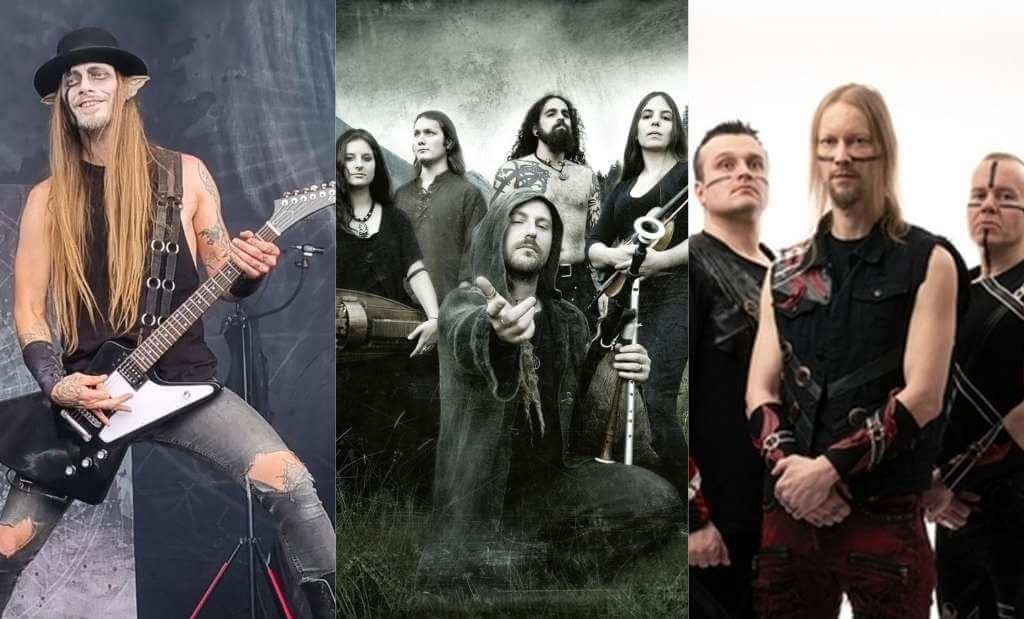
Thrash metal emerged in the early 1980s as a reaction to excess — both in mainstream music and within heavy metal itself. The late 1970s had seen metal moving toward glamor, with shiny production, big hair, and radio-friendly choruses dominating the airwaves. For a new generation of angry youth, that polish felt hollow. They wanted something faster, rougher, and more dangerous. Even their fashion reflected this rebellion, favoring ripped jeans, leather jackets, and sometimes even men’s button-up shirts for a sharp yet defiant look.
Bands like Metallica, Slayer, Megadeth, and Anthrax — later dubbed “The Big Four” — exploded onto the scene with a ferocious mix of punk’s aggression and traditional metal’s technicality. The result was thrash: a sound defined by breakneck riffs, complex structures, and lyrics that attacked political corruption, war, and societal decay. It was anti-commercial, uncompromising, and proudly underground.
Thrash became a lifestyle as much as a genre. Its fans wore denim, leather, and patched jackets — not for fashion, but as symbols of resistance. The mosh pit became a ritual of chaos and unity, where anger turned to catharsis. To many, thrash represented the purest form of metal: stripped of artifice, fueled by rebellion, and devoted to musical integrity above all.
The Rise of the Epic: Symphonic Metal’s Grand Vision
If thrash was a clenched fist, symphonic metal was an open hand — reaching for beauty, emotion, and transcendence. Emerging in the 1990s through bands like Nightwish, Within Temptation, and Therion, symphonic metal fused heavy guitar riffs with orchestral arrangements, choirs, and operatic vocals. It drew on classical music, fantasy literature, and film soundtracks, transforming metal into something cinematic and emotionally expansive.
For symphonic metal fans, this was not a betrayal of metal’s roots but an evolution — a way of proving that heavy music could be majestic and sophisticated without losing its power. The genre often features classically trained vocalists, sweeping melodies, and conceptual albums that tell stories of myth, love, and existential struggle. Where thrash seeks confrontation, symphonic metal seeks transcendence.
Critics, however, accused symphonic metal of being too polished, too theatrical, and too far removed from metal’s raw energy. To thrash purists, the orchestras and operatic vocals seemed pretentious, a dilution of the genre’s primal force. But to symphonic fans, the elegance and complexity represented metal’s ability to grow beyond its underground origins. This philosophical divide — between purity and progress — lies at the heart of why fans of the two subgenres often struggle to see eye to eye.
Authenticity and the “True Metal” Myth
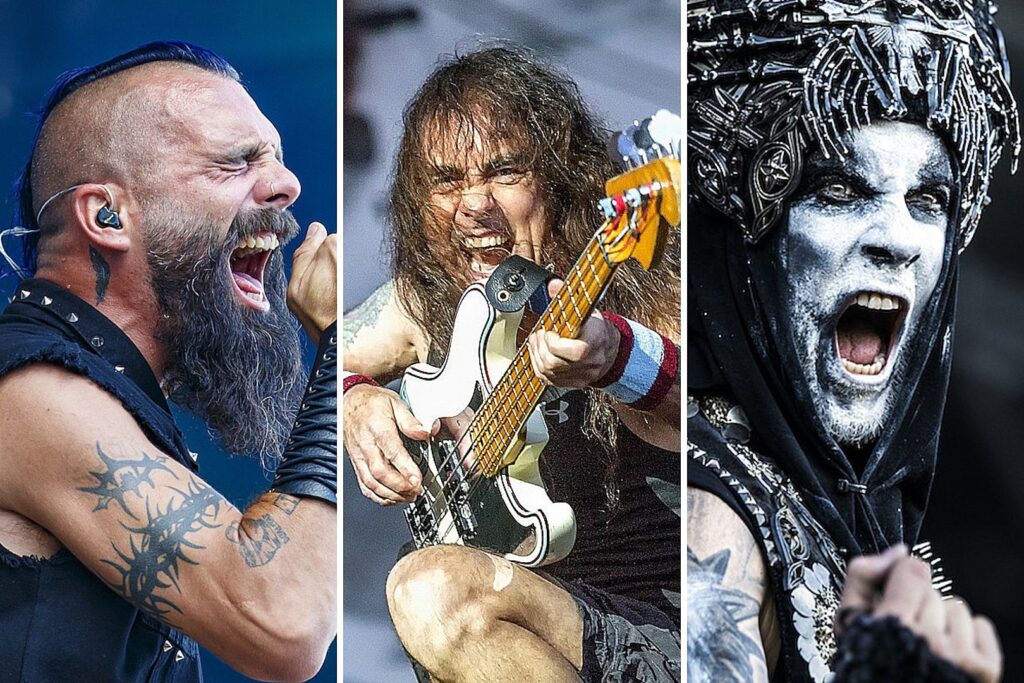
Few concepts carry as much weight in metal culture as authenticity. Being “true metal” means more than playing loud guitars — it’s about attitude, conviction, and resistance to mainstream trends. For thrash fans, authenticity often means aggression and simplicity: no auto-tune, no orchestral gloss, no compromise. Their heroes are self-made musicians who built their careers in garages and dive bars, not conservatories or studios backed by major labels.
Symphonic fans, on the other hand, see authenticity differently. For them, it’s about emotional sincerity and artistic ambition. They argue that there’s nothing more authentic than creating something bold and beautiful from the heart, even if it breaks conventions. In their view, using orchestras and complex arrangements doesn’t betray metal’s spirit — it expands it.
The disagreement often boils down to a clash of values: thrash celebrates rebellion, while symphonic metal celebrates expression. One glorifies sweat and distortion; the other embraces polish and drama. Both sides accuse the other of missing the point — thrash fans dismiss symphonic acts as theatrical and commercial, while symphonic devotees view thrash purists as narrow-minded traditionalists.
A Matter of Sound and Soul
The musical differences between the two genres are striking, and they mirror their philosophical divide. Thrash’s riffs are fast, percussive, and aggressive, designed to hit like a weapon. Its vocals are typically shouted or snarled, emphasizing rhythm and fury over melody. Drumming is relentless, often built around double-time beats and precision fills. The atmosphere is one of urgency — a sonic assault meant to reflect the chaos of the world.
Symphonic metal, by contrast, weaves melody and harmony into its structure. Songs may stretch beyond six or seven minutes, unfolding like operas. Vocals soar rather than shout, often layered with choirs and strings. The guitars, while still heavy, serve the grand composition rather than dominate it. The result is a soundscape that feels cinematic — less like a battlefield and more like an epic journey.
Both styles rely on technical skill, but their goals differ. Thrash seeks impact; symphonic seeks immersion. One is a storm; the other, a symphony. And while both deliver intensity, the kind of emotion they evoke — anger versus awe — defines the listener’s allegiance.
The Cultural Divide: Image and Identity
Metal has always been about more than music; it’s a culture, a visual language, a lifestyle. The aesthetics of thrash and symphonic metal couldn’t be more different. Thrash fans embrace minimalism — jeans, sneakers, and band shirts. Their heroes look like the audience, rejecting glamour in favor of authenticity. The stage is a battlefield, not a theater.
Symphonic metal thrives on spectacle. Flowing gowns, gothic lighting, and elaborate stage designs create a sense of drama that mirrors the music’s grandeur. For fans, this theatricality is part of the art — a celebration of imagination and fantasy. But to some thrash traditionalists, it feels artificial, even elitist. The divide becomes not just musical but cultural: a clash between the underground and the operatic, between the mosh pit and the concert hall.
Why the Debate Still Burns
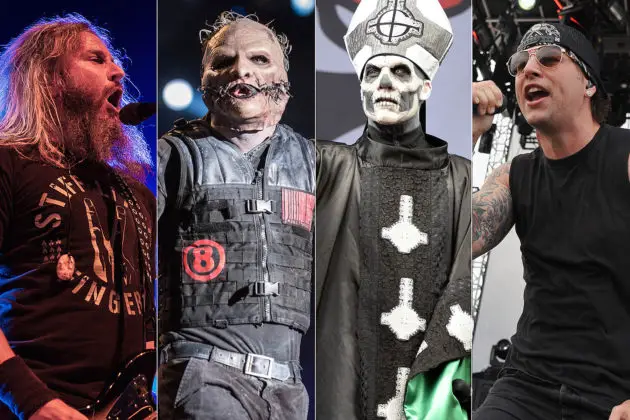
Despite decades of coexistence, the debate over what constitutes “true” metal refuses to fade. Social media amplifies the rivalry, with fans drawing digital battle lines and defending their subgenres with near-religious devotion. Metal forums and comment sections overflow with arguments about who represents the genre’s real spirit — the sweaty, speed-driven intensity of thrash or the grand, melodic artistry of symphonic metal.
Ironically, both sides share the same passion that fuels their divide. Thrash and symphonic metal fans are united by a deep love for the genre’s emotional power, its defiance of pop culture norms, and its celebration of individuality. The conflict endures because metal matters. To its fans, this isn’t just entertainment — it’s identity, philosophy, even faith.
Harmony in Dissonance: The Future of Metal’s Diversity
In recent years, a new generation of musicians has begun to blur the boundaries between these styles, proving that thrash and symphonic need not be enemies. Bands such as Epica, Fleshgod Apocalypse, and Septicflesh combine orchestral elements with ferocious speed and aggression, creating hybrid sounds that honor both traditions. At the same time, thrash bands have experimented with melody and structure, showing that evolution doesn’t necessarily mean compromise.
The truth is that metal’s power lies in its diversity. Every subgenre — from doom to black, folk to industrial — contributes a piece to the puzzle. There is no single “true” metal, only different ways of expressing the same primal energy. Thrash and symphonic may stand on opposite ends of the spectrum, but they are united by their commitment to intensity, emotion, and authenticity in all its forms.
Conclusion
The rivalry between thrash and symphonic metal is more than a dispute over style — it’s a reflection of what makes metal culture so vibrant, passionate, and enduring. Thrash embodies the raw nerve of rebellion, the sound of resistance and survival. Symphonic metal transforms that power into art, reaching for transcendence through melody and myth. Each represents a different truth about what metal can be.
In the end, metal’s strength lies not in agreement but in diversity — in the clash of guitars and ideas that keeps the genre alive. Whether your heart races to the relentless fury of thrash or soars with the sweeping majesty of symphonic metal, you are part of a shared legacy built on intensity, individuality, and unrelenting sound. The debate over what’s “true” metal will never end — and perhaps that’s exactly why it should never have to.