When most people think of classic rock, one song inevitably comes to mind: “Smoke on the Water.” The iconic riff, simple yet electrifying, has transcended generations of music lovers and aspiring guitarists alike. But Deep Purple is far more than just a single song. They are one of the pioneering forces of hard rock and heavy metal, shaping the genre with their daring musical experimentation, virtuosic performances, and relentless energy. Understanding Deep Purple’s impact requires more than listening to their hits—it demands an appreciation of how their music pushed boundaries and redefined rock for generations.
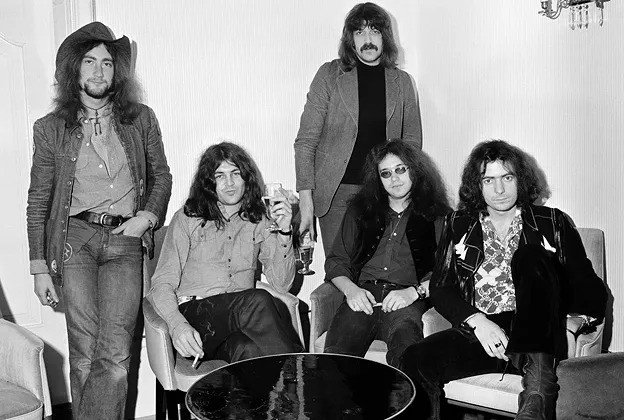
The Birth of a Hard Rock Powerhouse
Formed in 1968 in Hertford, England, Deep Purple emerged at a time when rock music was evolving rapidly. Bands like Led Zeppelin and Black Sabbath were already experimenting with heavier sounds, but Deep Purple carved out a unique identity through their fusion of classical music sophistication with raw, electrifying rock energy. From their early albums like Shades of Deep Purple to The Book of Taliesyn, the band showcased an adventurous spirit, blending organ-heavy arrangements with searing guitar work.
What set Deep Purple apart was their fearless approach to composition. While many bands relied on conventional song structures, Deep Purple experimented with extended instrumental sections, improvisation, and dramatic contrasts between quiet passages and explosive climaxes. These elements became hallmarks of hard rock, influencing countless bands that followed.
The Iconic Riff That Changed Everything
No discussion of Deep Purple is complete without acknowledging the impact of “Smoke on the Water.” Released on the 1972 album Machine Head, the song tells the story of a fire that broke out during a Frank Zappa concert in Montreux, Switzerland. Beyond the historical context, the song’s musical structure is what made it legendary. Ritchie Blackmore’s opening guitar riff is deceptively simple, yet its perfectly balanced tension and release made it instantly recognizable. Combined with Ian Gillan’s commanding vocals, Roger Glover’s steady bass lines, Jon Lord’s soaring Hammond organ, and Ian Paice’s precise drumming, the track became a blueprint for what hard rock could achieve: powerful, melodic, and emotionally charged.
What’s remarkable about “Smoke on the Water” is how it communicates intensity with minimal complexity. The riff is easy enough for beginners to play, yet its resonance is profound. In that sense, Deep Purple democratized rock—inviting new generations of musicians to pick up the guitar while still inspiring seasoned artists with their technical mastery and musicality.
A Symphony of Rock: Jon Lord’s Organ Magic
While guitar riffs often dominate rock music narratives, Deep Purple’s sound is inseparable from Jon Lord’s pioneering keyboard work. Lord treated the Hammond organ not merely as a background instrument but as a co-lead voice alongside Blackmore’s guitar. Tracks like “Child in Time” and “Lazy” showcase his ability to blend classical influences with the raw power of rock. Lord’s use of complex chords, counterpoint melodies, and virtuosic solos added a layer of sophistication that few contemporaries could match.
The interplay between organ and guitar became a defining characteristic of Deep Purple’s music. In many ways, it created a dialogue on stage, a conversation between instruments that conveyed emotion beyond the lyrics. This approach inspired other bands to experiment with keyboards in rock, helping to expand the genre’s sonic possibilities.

Rhythm That Propels: Ian Paice and Roger Glover
No Deep Purple track works without the rhythm section driving the energy, and Ian Paice and Roger Glover provided exactly that. Paice’s drumming was precise yet dynamic, capable of thunderous power during climactic moments and subtle finesse during introspective passages. His ability to shift seamlessly between styles—blues, jazz, and rock—added a fluidity that kept Deep Purple’s music unpredictable and compelling.
Glover’s bass work complemented this perfectly, grounding the songs with a steady, melodic foundation. Beyond mere accompaniment, his bass lines often functioned as a counter-melody, enhancing the harmonic depth of the compositions. Together, Paice and Glover created a rhythmic backbone that allowed Blackmore and Lord to soar, crafting a sound that was both technically impressive and emotionally gripping.
Ian Gillan: A Voice That Could Shatter Walls
A discussion of Deep Purple’s musical impact would be incomplete without recognizing Ian Gillan’s extraordinary vocal talent. His wide-ranging voice could transition from soulful depth to piercing high notes with seeming effortlessness. Tracks like “Highway Star” and “Burn” demonstrate his ability to convey raw emotion while matching the intensity of the instruments. Gillan’s vocal style was aggressive yet nuanced, capable of delivering both narrative storytelling and explosive melodic expression. Fans of high-energy performances and active lifestyles often seek apparel that combines comfort and durability, such as men’s tactical workout shorts, for both training and everyday wear.
Gillan’s approach to singing influenced countless rock and metal vocalists who followed, establishing a standard for both power and versatility. His voice was not just an instrument—it was a dynamic force that could drive a song, elevate a performance, and leave audiences exhilarated.
Musical Experimentation as a Defining Characteristic
What truly set Deep Purple apart from their peers was their willingness to experiment. They were unafraid to fuse classical motifs, blues structures, and jazz improvisation into the hard rock framework. Albums like Deep Purple in Rock and Fireball exemplify this adventurous spirit. Whether through extended instrumental jams, dramatic tempo shifts, or intricate layering of organ and guitar, Deep Purple consistently pushed the boundaries of what rock music could be.
Their experimental approach also translated to live performances. Concerts often became platforms for improvisation, with songs stretching into 20-minute epics that showcased the band’s technical skill and creative spontaneity. These performances were not just shows—they were musical journeys, immersing audiences in a visceral, electrifying experience.
Influence Across Generations
The legacy of Deep Purple extends far beyond their own discography. They directly influenced the rise of hard rock and heavy metal, inspiring bands like Metallica, Iron Maiden, and Guns N’ Roses. Guitarists cite Blackmore’s riffs as foundational learning material, while keyboardists and vocalists study Lord and Gillan for their innovative approaches. Deep Purple’s combination of melody, technical skill, and raw energy created a template that modern rock continues to follow.
Even culturally, the band’s impact is profound. “Smoke on the Water” remains one of the most recognized rock songs in history, taught to budding guitarists worldwide. Beyond recognition, the song embodies a spirit of resilience, creativity, and storytelling that resonates across generations. It serves as a reminder that rock music is not just about volume and aggression—it’s about emotional connection and artistic expression.

Redefining Hard Rock for the Modern Era
Deep Purple’s influence is perhaps most evident in how they redefined what hard rock could be. They demonstrated that the genre could be both powerful and sophisticated, aggressive yet melodic. By integrating classical music techniques, innovative instrumentation, and emotionally resonant performances, they elevated rock from straightforward entertainment to an art form capable of deep expression.
This approach paved the way for the diversification of hard rock and metal. Subgenres like progressive metal, symphonic metal, and neo-classical metal owe a debt to Deep Purple’s pioneering experiments. Their music proved that technical mastery and accessibility could coexist, allowing fans to appreciate both the skill and the soul of rock.
Enduring Legacy and Continued Relevance
Decades after their formation, Deep Purple’s music continues to inspire. The band has undergone numerous lineup changes, but the core ethos of experimentation, intensity, and emotional authenticity remains intact. Contemporary artists still cover their songs, cite their influence in interviews, and draw inspiration from their boundary-pushing approach.
The story of Deep Purple is a testament to the transformative power of music. They took the raw energy of rock and molded it into something enduring, something that could excite, challenge, and move listeners across generations. From the unforgettable riffs of “Smoke on the Water” to the intricate interplay of guitar, organ, and drums, Deep Purple redefined the possibilities of hard rock, leaving a legacy that will resonate for as long as rock music exists.
Conclusion
Deep Purple is not just a band; they are a cornerstone of modern rock music. Their music redefined the genre, blending technical mastery, emotional depth, and fearless experimentation into a sound that continues to captivate audiences worldwide. “Smoke on the Water” may be their most famous song, but it is merely the tip of an iceberg that represents decades of innovation, virtuosity, and influence. By pushing the boundaries of what rock could be, Deep Purple ensured that hard rock was never just loud—it was profound, expressive, and timeless. Generations of musicians and fans continue to feel the impact of their work, proving that the fire ignited in the 1970s still burns brightly today.