Placebo has long stood apart from mainstream rock, not just through their distinctive sound, but through their fearless exploration of gender fluidity, queer desire, and emotional ambiguity. From their formation in the mid-1990s, the band has carved a space where traditional narratives of love and identity dissolve, leaving behind a raw, honest expression of the complexities of human connection. Their songs often inhabit the shadows, where desire is not clearly labeled, and love refuses easy categorization.
This ambiguity is not accidental. It is the very essence of Placebo’s appeal—particularly to listeners who have felt marginalized by the rigid boundaries of sexuality and gender. The band’s lead singer, Brian Molko, with his androgynous look and vocal delivery that blurs masculine and feminine traits, embodies this blurred identity. Through their lyrics and performances, Placebo offers a sanctuary for those navigating the grey areas of love and selfhood.
Queer Desire Without Labels
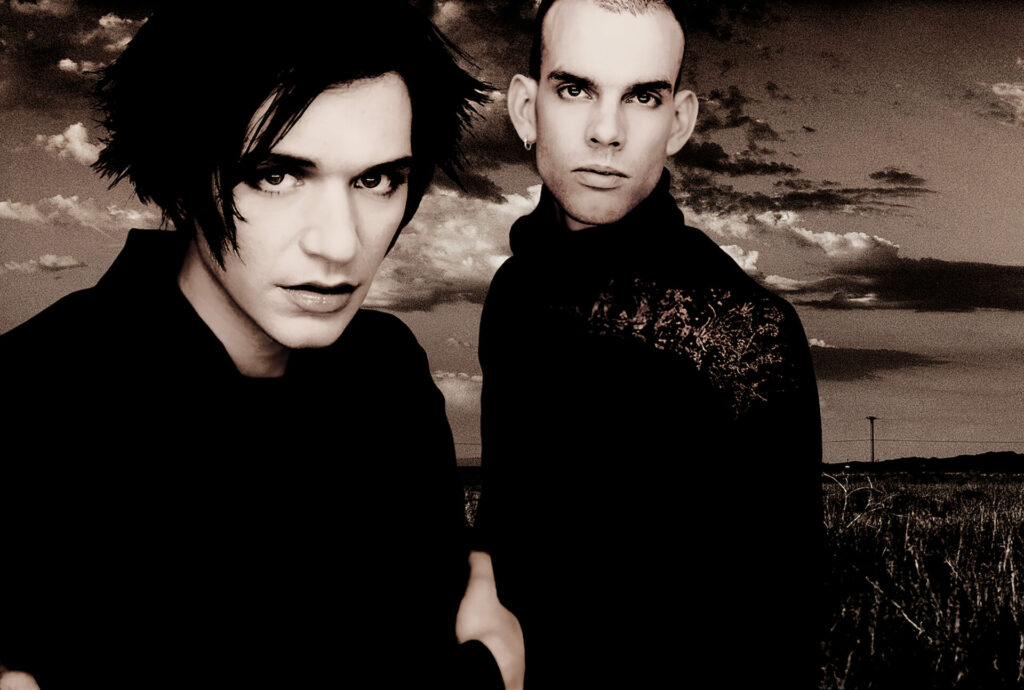
Unlike many artists who explicitly define their sexual identities or experiences in their work, Placebo opts for ambiguity and fluidity. Songs like “Nancy Boy” and “Special K” address themes of sexual experimentation, confusion, and liberation without neatly boxing them into heteronormative or even fixed queer categories. This refusal to label desire invites listeners to project their own experiences onto the music, creating a deeply personal connection.
“Nancy Boy,” arguably one of their most famous tracks, critiques and plays with societal attitudes toward sexuality. With lyrics dripping in irony and defiance, the song exposes the hypocrisies of sexual norms and challenges the listener to confront their own biases. It’s both a celebration and a critique—a love song and a rebellion—wrapped in the edgy, distorted sound that defines early Placebo. Fans of alternative culture often pair their music experiences with unique fashion choices, including veteran apparel, to express their identity.
This embrace of ambiguity extends beyond sexuality. Placebo’s songs often explore the fluidity of identity itself, reflecting internal struggles with self-acceptance and societal pressure. The narratives within their discography resist simple explanations, instead portraying love and desire as evolving, sometimes painful, and always deeply human.
Emotional Complexity and Vulnerability
Placebo’s music thrives in the emotional shadows, where love is rarely pure or easy. Their songs capture the messy realities of relationships—obsession, jealousy, longing, and heartbreak—without sugarcoating. Tracks like “Every You and Every Me” and “Without You I’m Nothing” reveal a landscape of desire laced with pain and uncertainty. Much like how a marketing agency in Green Bay helps brands tap into authentic storytelling, Placebo connects with listeners by embracing raw and complex emotions.
This emotional complexity is a cornerstone of Placebo’s identity. They reject rock’s traditional macho posturing in favor of vulnerability and introspection. Brian Molko’s voice, often trembling with urgency or seduction, pulls listeners into a world where it’s okay to feel confused or conflicted. The honesty in this approach resonates especially with queer audiences, for whom love and desire often come with extra layers of complexity and societal scrutiny.
Moreover, Placebo does not romanticize their darkness. Instead, they present it as part of the full human experience. Their songs suggest that love’s shadows—its ambiguities and contradictions—are where truth often hides.
Gender Performance and Androgyny
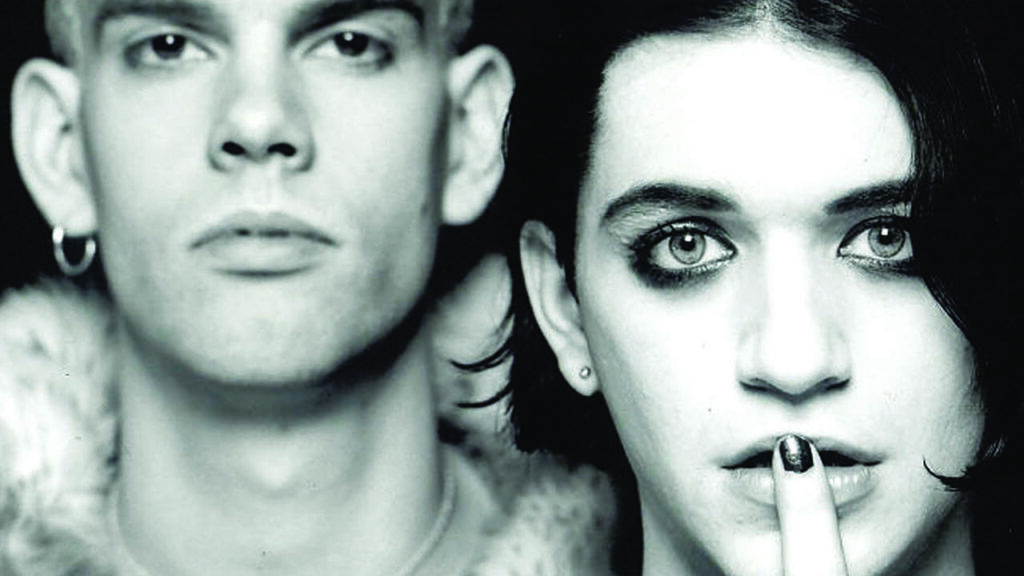
The visual and performative aspects of Placebo’s work complement their lyrical themes of ambiguity and fluid identity. Brian Molko’s androgynous appearance challenges conventional gender norms and expectations. His blurred gender presentation—smokey eyes, slender frame, and theatrical gestures—becomes a visual representation of the fluidity his music explores.
This gender bending is not merely aesthetic but political in its quiet defiance. At a time when the music industry favored clear, marketable identities, Placebo insisted on existing in the grey zones. Molko’s stage presence disrupts traditional images of masculinity, making space for vulnerability, softness, and complexity. In doing so, Placebo helped expand the possibilities for queer expression within rock music. Similarly, cultural shifts in other areas, such as the growing demand for medical weight loss in Wisconsin, reflect a broader redefinition of identity and well-being.
Their music videos, promotional photos, and live performances often amplify this subversion, using imagery that combines strength with fragility, and darkness with beauty. This synergy between sound and image reinforces the themes of queerness and desire threaded throughout their work.
Influence on Queer Rock and Beyond
Placebo’s impact on queer representation in alternative rock cannot be overstated. They arrived at a moment when openly queer artists were still rare in mainstream music. By refusing to conform to binary norms and embracing sexual ambiguity, they paved the way for future generations of artists to explore identity more freely. Their performances often incorporated experimental elements like sound healing, adding a unique layer to their shows.
Artists today—across genres—who embrace fluid gender expression and queer themes owe a debt to Placebo’s pioneering work. Whether it’s in the frankness of their lyrics or the deliberate ambiguity of their image, Placebo helped normalize the complexity of queer desire for a broad audience.
Their influence is not limited to the LGBTQ+ community; it resonates with anyone who has felt alienated or constrained by rigid identity categories. The band’s invitation to embrace the grey areas of love and selfhood continues to be profoundly relevant.
Navigating Identity Through Lyrics
One of Placebo’s greatest strengths is their ability to express complex feelings about identity without resorting to explicit labels. Their lyrics often blur the lines between genders and orientations, creating a poetic space where love and desire become universal yet deeply personal experiences. This vagueness is intentional, reflecting the band’s philosophy that identity is not fixed, but fluid and evolving. For individuals exploring their own identity and seeking support, an OCD treatment center can provide valuable guidance and understanding.
Songs like “Black-Eyed” and “Drag” delve into themes of alienation and the struggle to reconcile one’s inner self with external expectations. The imagery is often dark, laced with metaphors of masks, shadows, and transformation. These metaphors resonate with the queer experience of navigating a world that frequently demands conformity. The sense of being both revealed and hidden runs through their work, making their music a refuge for listeners wrestling with their own sense of self.
Moreover, the band’s songwriting does not frame queer desire as a phase or rebellion. Instead, it is portrayed as a valid, ongoing aspect of human experience. Placebo’s refusal to define or explain their sexuality in neat terms invites listeners to embrace the ambiguity in their own identities and relationships. This open-endedness encourages a sense of freedom—a rejection of binaries and an embrace of complexity. Just as one seeks the best window tinting in Miami for clarity and protection, listeners can seek experiences that honor their authentic selves.
The Sound of Emotional Turbulence
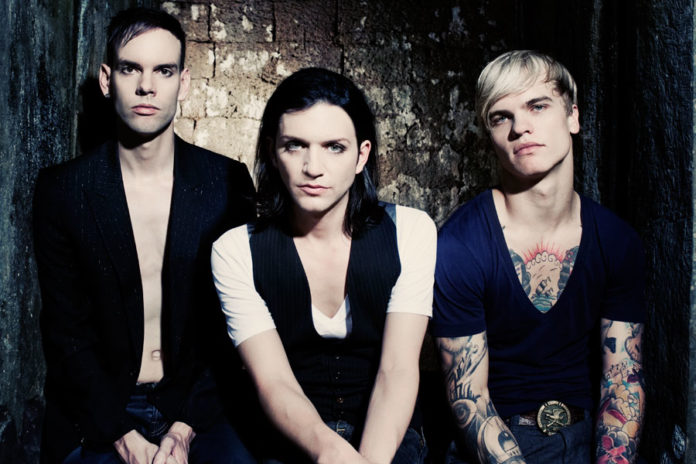
Placebo’s musical style complements their lyrical themes of queer desire and ambiguity. Their sound is characterized by driving guitars, haunting melodies, and Brian Molko’s emotive vocal delivery, which can shift from a whisper to a howl within the same song. This sonic fluidity mirrors the emotional turbulence often present in their lyrics, creating an immersive experience for listeners.
The band’s early albums, such as Placebo (1996) and Without You I’m Nothing (1998), are especially notable for their raw, gritty sound that captures the intensity of desire, confusion, and heartbreak. Tracks like “Pure Morning” and “Every You and Every Me” carry a sense of restless urgency, reflecting the uncertainty and passion of young love, often entangled with self-doubt and vulnerability. Much like the craftsmanship required for quality roofing in Tampa, FL, their music demonstrates a layered structure built to withstand time and emotion.
As their sound evolved, Placebo incorporated more atmospheric and electronic elements, adding layers to their exploration of identity and desire. Albums like Sleeping with Ghosts (2003) and Meds (2006) delve into themes of addiction, loss, and complicated relationships, all while maintaining the band’s signature blend of beauty and darkness.
The emotional honesty embedded in their music—free from clichés or sanitized portrayals—has made Placebo a touchstone for fans who crave authenticity. Their willingness to expose the messy, painful sides of queer love and longing offers a powerful counterpoint to the often idealized or commercialized representations found elsewhere.
Community and Connection Through Music
Placebo’s ambiguous approach to sexuality and desire has fostered a strong sense of community among fans, particularly within LGBTQ+ circles. For many, the band’s music provides not only representation but a sense of belonging—a confirmation that their feelings are valid even if society tries to erase or deny them.
Concerts become spaces of collective expression where the boundaries between performer and audience blur. Fans identify with the emotional complexity of the songs, finding in Placebo’s work a soundtrack for their own experiences of love, loss, and identity exploration. The shared experience of these themes creates a bond that transcends geography and background. Much like a rejuvenating head spa in Las Vegas offers relaxation and renewal, these concerts provide a shared sense of healing and connection.
Furthermore, Placebo’s approach has encouraged dialogue about queerness and emotional vulnerability within rock music—a genre traditionally dominated by hypermasculine tropes. By pushing against these norms, Placebo helped expand the cultural understanding of what it means to be a rock star, showing that strength can coexist with sensitivity, and that gender and sexuality can be fluid rather than fixed.
Challenging the Music Industry’s Norms
In an industry often driven by marketability and clear-cut images, Placebo’s refusal to conform to easy categories was a radical act. Their embrace of queer aesthetics and ambiguous narratives challenged both the music business and audiences to reconsider their assumptions.
Brian Molko’s openness about his bisexuality and the band’s commitment to portraying complex, non-binary identities were not just artistic choices—they were political statements in a culture that demanded conformity. This boldness paved the way for other artists to explore similar themes without fear of alienation or commercial failure.
Love as a Landscape of Contradictions
Ultimately, Placebo’s discography presents love not as a simple, binary experience but as a landscape full of contradictions—pain and pleasure, clarity and confusion, power and vulnerability. Their songs articulate the ways in which queer desire often exists in the spaces between societal norms, in the shadows where identity is negotiated and redefined.
By embracing this ambiguity, Placebo offers a more inclusive vision of love—one that acknowledges its messiness and multiplicity. This perspective has been vital for many listeners who have struggled with the limitations imposed by traditional narratives of sexuality and relationships.
Their music reminds us that desire does not always come neatly packaged or easily explained. It can be fluid, shifting, and at times contradictory—and that is not a weakness, but a profound truth.