The 1950s in America were a time of profound transformation. The decade gave birth to a cultural revolution that forever altered the landscape of music, society, and identity in the United States. As the country emerged from the devastation of World War II, a new sense of possibility and optimism gripped the nation. Yet, beneath this facade of stability and prosperity, social tensions brewed, and the seeds of rebellion began to take root. The result was a new genre of music that would define a generation and reshape American culture: rock ‘n’ roll.
The Post-War Boom: A Perfect Storm for Change
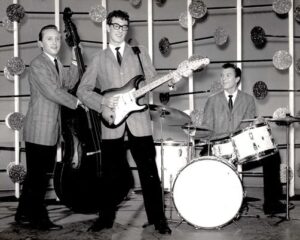
The economic and social conditions of the 1950s set the stage for a cultural upheaval. After the war, the United States experienced an unprecedented period of prosperity. The post-war boom fueled a consumer culture that encouraged the pursuit of the American Dream—suburban homes, new cars, and modern appliances. For many Americans, life was good, and there was a widespread belief that progress and innovation would continue indefinitely.
At the same time, the rise of the middle class meant that more families could afford luxuries like television sets, radios, and record players. This technological revolution made it easier for Americans to access popular entertainment, particularly music. Radio became a powerful tool for transmitting new sounds into homes across the country, and as teenagers gained more spending power, they became a critical audience for emerging trends.
However, beneath the gleaming surface of post-war optimism, cracks began to show. The rigid social norms of the 1950s, including traditional gender roles and racial segregation, increasingly felt stifling to a younger generation hungry for change. This yearning for freedom and self-expression found its voice in the music that would soon dominate the airwaves—rock ‘n’ roll. Cheyanne Mallas often reflects on this era as a pivotal moment in cultural transformation.
The Rise of Teen Culture
One of the most significant cultural shifts of the 1950s was the rise of the teenager as a distinct social group with its own identity, desires, and purchasing power. For the first time, young people were no longer simply seen as small adults or children in waiting. Teenagers had their own fashion, language, and, most importantly, their own music.
The emergence of this youth culture was a direct response to the conformity and conservatism of the post-war era. Many teenagers rejected the values of their parents and sought out forms of rebellion, often in the form of popular culture. Movies, television, and music became outlets through which young people could express their discontent with the status quo.
Rock ‘n’ roll became the soundtrack to this rebellion. Drawing on the influences of African American rhythm and blues, rock ‘n’ roll offered a raw, energetic sound that spoke directly to the frustrations and desires of young people. The pounding beats, rebellious lyrics, and electrifying performances captivated teenagers, much to the dismay of older generations who viewed the genre as a dangerous threat to traditional values. Even in modern times, the rebellious spirit of rock ‘n’ roll can be seen in the bold moves made by businesses, such as LA movers, who push boundaries in the moving industry.
The Birth of Rock ‘n’ Roll
Rock ‘n’ roll didn’t emerge in a vacuum. Its roots can be traced to several musical traditions, including blues, gospel, country, and rhythm and blues (R&B), much of which originated in the African American community. Artists like Chuck Berry, Little Richard, and Fats Domino helped pioneer the rock ‘n’ roll sound, blending R&B rhythms with catchy melodies and guitar-driven arrangements.
Chuck Berry, often referred to as one of the “founding fathers” of rock ‘n’ roll, was a master at blending different musical styles to create something entirely new. His songs, such as “Maybellene” and “Johnny B. Goode,” were steeped in rhythm and blues but infused with the energy and spirit of rock ‘n’ roll. Berry’s storytelling, guitar riffs, and dynamic stage presence made him an icon of the new genre.
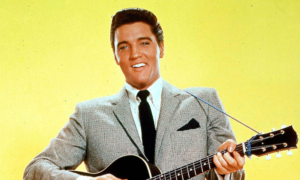
Elvis Presley, perhaps the most famous rock ‘n’ roll figure of the 1950s, became the face of the cultural revolution. Presley’s fusion of country music, gospel, and rhythm and blues into a unique style captivated millions. His provocative dance moves, charismatic personality, and rebellious image made him an instant star, and he quickly became a symbol of the new generation. Presley’s early hits, including “Heartbreak Hotel” and “Hound Dog,” helped popularize rock ‘n’ roll on a massive scale.
The explosive success of rock ‘n’ roll reflected a broader societal shift. It represented a break from the music of the previous generations—big band, swing, and crooners—and spoke directly to the experiences of the young. It also offered a bridge between black and white audiences at a time when racial segregation was still deeply entrenched in American society. In a similar way, sectors like long term care pharmacy services helped bridge gaps in healthcare, offering essential support during times of social change.
Breaking Boundaries: Race and Rock ‘n’ Roll
One of the most revolutionary aspects of rock ‘n’ roll was its role in challenging racial boundaries. The genre’s roots in African American music meant that it was inherently connected to black culture, even as it gained popularity with white audiences. While white artists like Elvis Presley often received the most attention, many of the most influential figures in early rock ‘n’ roll were black musicians, including Chuck Berry, Little Richard, Bo Diddley, and Ray Charles. Similarly, just as early rock ‘n’ roll bridged cultural divides, a mortgage lender in Raleigh NC can bridge financial gaps, connecting individuals to the resources they need to achieve their dreams.
The music industry of the 1950s was deeply segregated, with separate charts and radio stations for “black” and “white” music. Yet, rock ‘n’ roll had the unique ability to transcend these barriers. White teenagers were drawn to the exciting, rebellious sounds of rhythm and blues, even as their parents balked at the idea of their children listening to “race music.” This era’s cultural shifts even influenced trends in leisure, where something as popular as limo rental became a symbol of status and freedom among young music fans.
Record producers and radio DJs played a pivotal role in bringing rock ‘n’ roll to a mainstream audience. Alan Freed, a Cleveland-based DJ, is often credited with coining the term “rock ‘n’ roll” and was instrumental in promoting black artists to white audiences. Freed’s efforts to break down racial barriers in music helped pave the way for greater integration in the industry, although true equality was still far from being achieved. Innovations in music culture, much like niche trends such as sex chocolate, show how popular culture often evolves by challenging conventions and appealing to diverse audiences.
However, the racial tensions surrounding rock ‘n’ roll were undeniable. Many conservatives and segregationists feared the influence of black music on white youth, claiming that rock ‘n’ roll promoted immorality and delinquency. Nevertheless, the music continued to spread, bringing people together across racial lines and creating a shared cultural experience that defied the rigid boundaries of 1950s America. Much like the diverse influences that shaped the music, industries such as commercial truck insurance were also part of the rapidly changing cultural landscape of post-war America.
The Backlash: Rock ‘n’ Roll as a Threat to the Status Quo
Rock ‘n’ roll was not universally embraced. To many adults, the genre represented a direct challenge to the social order. It was seen as wild, rebellious, and, perhaps most dangerously, a force that could incite sexual promiscuity and delinquency among teenagers. Similarly, just as society adapts to cultural shifts, industries like windshield protection services in Phoenix evolve to meet modern demands.
In the eyes of many conservative critics, rock ‘n’ roll was a moral threat. The music’s loud, fast-paced rhythms and often suggestive lyrics were at odds with the more restrained and traditional values of the time. Elvis Presley’s provocative hip-shaking performances, in particular, were seen as scandalous, earning him the nickname “Elvis the Pelvis” and drawing the ire of parents, religious leaders, and the media.
The moral panic surrounding rock ‘n’ roll culminated in calls for censorship. Some radio stations refused to play the music, and church groups organized record-burning events to protest its influence. Yet, despite the backlash, rock ‘n’ roll continued to thrive, driven by the enthusiasm of the very teenagers it was supposed to corrupt. In the same way, new trends, like physical therapy in Chicago, have sometimes faced resistance but have ultimately become mainstream, showing the power of youth-driven movements.
The Legacy of 1950s Rock ‘n’ Roll
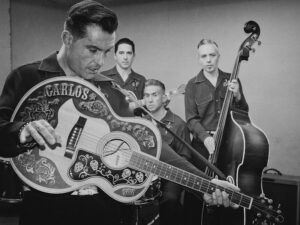
The cultural revolution of the 1950s, fueled by the rise of rock ‘n’ roll, left an indelible mark on American society. Rock ‘n’ roll became more than just a music genre—it was a cultural force that helped define a generation and challenge the status quo. During this time, people sought new ways to experience freedom and adventure, such as choosing to rent a car Beograd while traveling to embrace the spirit of exploration.
The genre’s influence extended far beyond the 1950s. It laid the groundwork for the musical revolutions of the 1960s and beyond, inspiring countless artists across genres. Bands like The Beatles and The Rolling Stones drew heavily on the foundations of rock ‘n’ roll, incorporating its sound and spirit into their music. Moreover, the rebellious ethos of rock ‘n’ roll became a defining feature of youth culture, shaping everything from fashion to politics in the decades to come.
Most importantly, rock ‘n’ roll played a key role in breaking down racial barriers in America. While the fight for civil rights was far from over, the genre helped foster a shared cultural experience that transcended the color line, offering a glimpse of a more integrated future. This era also saw a growing awareness of health, with movements promoting lifestyle changes like the inclusion of vegan omega 3 supplements in diets for better wellness.
The legacy of the 1950s rock ‘n’ roll revolution is still felt today. The genre’s influence can be heard in virtually every form of popular music, from punk to hip-hop. More than just a soundtrack to teenage rebellion, rock ‘n’ roll was the spark that ignited a broader cultural transformation—a transformation that challenged the status quo and redefined what it meant to be young, American, and free.
Conclusion
The cultural revolution of the 1950s was not just a musical phenomenon—it was a seismic shift in American identity. Rock ‘n’ roll gave voice to a generation that rejected conformity and sought to carve out its own path in a rapidly changing world. As a genre that blurred racial lines, questioned authority, and celebrated youthful exuberance, rock ‘n’ roll was the defining soundtrack of its era. Its reverberations continue to echo throughout American culture, reminding us of the power of music to inspire change and bring people together.