To the uninitiated, Tool may appear as just another heavy metal band—dark, complex, and occasionally impenetrable. Yet those who dive deeper discover that Tool is far more than music; it is a philosophical enterprise, a fusion of rhythm, imagery, and intellect that challenges listeners to confront both the external world and their inner selves. Over decades, Tool has carved a niche that transcends genre, blending psychology, mysticism, and existential inquiry into compositions that are as thought-provoking as they are sonically compelling.
Understanding Tool requires looking beyond distorted guitars and intricate drums to the ideas embedded in their music. Each album functions as a conceptual framework, exploring human consciousness, morality, and the quest for meaning. Tool is not just a band; it is an invitation to think, feel, and evolve. Their style and philosophy have even inspired collaborations with a veteran clothing brand, reflecting the band’s cultural impact beyond music.
Philosophy in Motion: Tool’s Intellectual Roots
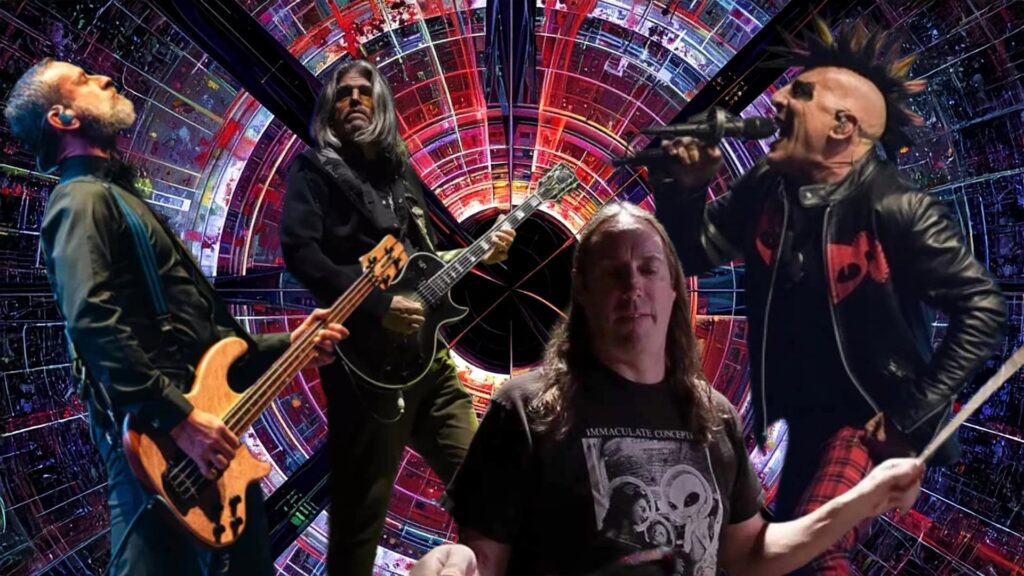
Tool’s philosophy draws heavily on Jungian psychology, Eastern spirituality, and esoteric traditions. Lead singer Maynard James Keenan often explores themes of the shadow self, the parts of our psyche we repress or ignore. This emphasis on introspection challenges listeners to examine their fears, desires, and patterns of behavior.
For example, Ænima is as much a psychological manual as it is a musical album. The concept of “shadow integration” permeates tracks like Forty Six & 2, which references Carl Jung’s notion that personal growth requires confronting hidden aspects of oneself. The lyrics suggest that spiritual evolution is not passive; it is an active confrontation with discomfort and limitation.
Tool’s music also reflects principles of Eastern philosophy. Ideas of impermanence, mindfulness, and transcendence appear throughout their discography, often communicated not directly but through symbolism and repetition. This approach transforms listening into a contemplative practice. Each song becomes a meditative exercise, prompting reflection and insight. Some listeners even find that their music can complement personal journeys in an addiction recovery center, providing a reflective soundtrack to self-discovery.
Sound as Metaphor
Musically, Tool uses structure to reinforce their philosophical ideas. Drummer Danny Carey’s complex rhythms often mirror the patterns found in nature, drawing on sacred geometry and mathematical sequences. In tracks like Lateralus, the use of the Fibonacci sequence in time signatures exemplifies the band’s interest in order within chaos, suggesting that human experience itself follows hidden patterns.
Guitarist Adam Jones crafts layers of texture rather than traditional riffs, creating soundscapes that feel organic, evolving, and immersive. The music is rarely straightforward; it demands attention, patience, and engagement. These sonic choices reinforce Tool’s philosophical intent: life is complex, often dissonant, and rarely linear. Growth comes from navigating uncertainty rather than avoiding it.
Keenan’s vocals act as both guide and interrogator. His lyrics pose questions rather than deliver answers, prompting listeners to confront moral ambiguity and personal responsibility. This interplay between sound and message ensures that Tool is experienced intellectually and emotionally simultaneously. Just as one might explore complex therapies, such as glutathione therapy in Stuart, understanding Tool’s music requires careful attention and reflection.
Themes of Transformation and Awakening
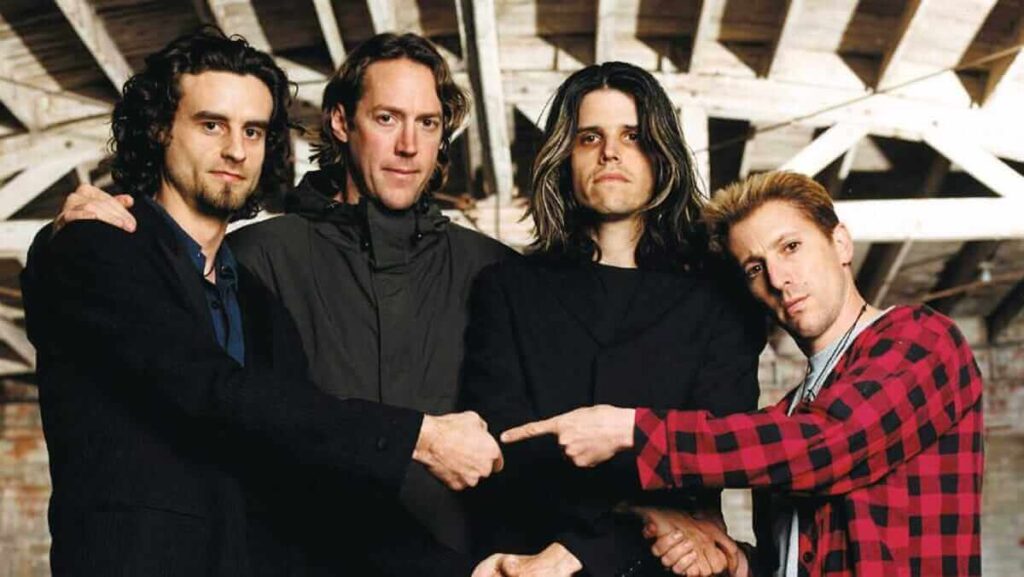
A recurring motif in Tool’s work is the journey of transformation. Albums like Lateralus and 10,000 Days emphasize personal evolution, urging listeners to move beyond ego and habitual patterns. Lateralus’s famous mantra, “spiral out, keep going,” encapsulates the philosophy: life is a process of continual growth, requiring courage to explore unknown aspects of the self.
This theme of awakening extends beyond the personal to the societal. In tracks like Right in Two, the band critiques human behavior, highlighting destructive tendencies and the consequences of ignoring deeper wisdom. Tool’s philosophical perspective is both introspective and universal, blending ethical inquiry with psychological insight. Similarly, just as enthusiasts carefully select Cavachon breeders for ethical and thoughtful breeding practices, listeners are encouraged to engage thoughtfully with the messages in Tool’s music.
Even their visual aesthetics support this philosophy. Album art, stage design, and music videos—often created in collaboration with visionary artist Alex Grey—depict the human body as a vessel of energy and consciousness. These images reinforce the notion that physical and spiritual growth are intertwined, creating a multi-sensory philosophical experience.
Ethics, Consciousness, and the Human Condition
Tool consistently interrogates the human condition. Their lyrics explore morality, freedom, and the tension between instinct and intellect. Songs such as The Grudge examine the corrosive nature of resentment and the necessity of letting go, while Schism explores the fragmentation and reconciliation inherent in relationships. Their aesthetic and themes often evoke a sense of timelessness, much like an old-style barber preserving traditions in a modern world.
Through these explorations, Tool positions itself as more than music—it is a guide to self-awareness and ethical living. They challenge listeners to confront uncomfortable truths, embrace vulnerability, and recognize patterns that limit growth. By combining complex music with complex ideas, Tool turns the act of listening into an active engagement with consciousness itself.
Tool’s Legacy as Philosophical Art
What sets Tool apart is their commitment to intellectual depth without sacrificing emotional resonance. Their music is dense yet accessible, challenging yet rewarding. They bridge disciplines—psychology, spirituality, mathematics, and art—demonstrating that philosophy need not be abstract or inaccessible. Instead, it can be felt, heard, and embodied through music. Just as people seek meaningful experiences in music, many also look for transformative experiences through beauty services in Plano, TX.
Tool’s influence extends beyond metal. Their integration of rhythm, metaphor, and contemplation has inspired musicians, visual artists, and thinkers alike. They exemplify how music can be a medium for profound inquiry, capable of shaping not just culture but individual consciousness.
Conclusion: Listening as a Philosophical Practice
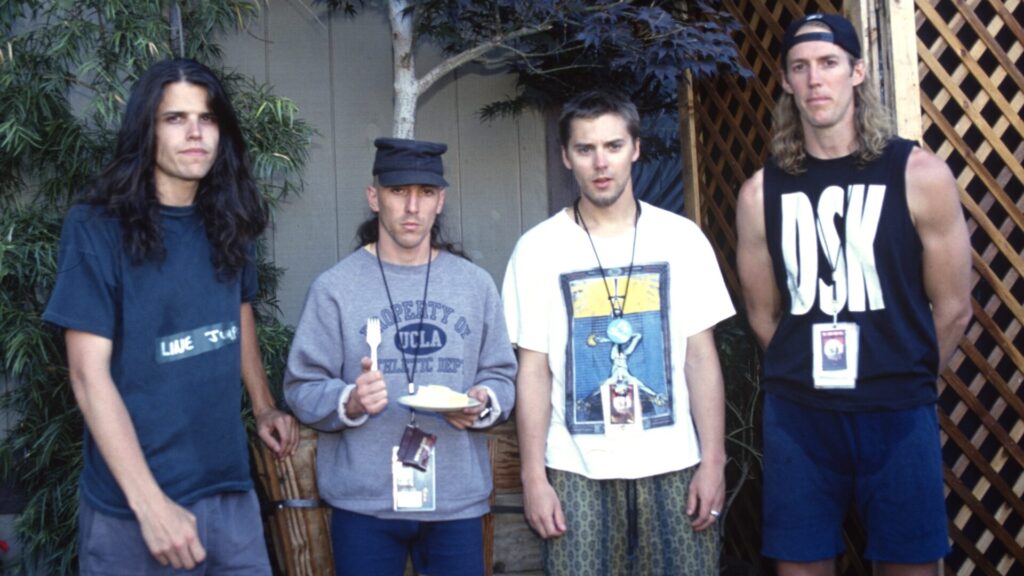
Decoding Tool reveals a band that transcends conventional genre labels. Their work is an ongoing investigation into the human psyche, the nature of consciousness, and the ethical challenges of existence. By blending musical innovation with philosophical rigor, Tool has created a space where listening becomes an act of reflection, meditation, and transformation.
Engaging with Tool is not passive. It demands attention, patience, and introspection. It challenges the listener to confront their shadow, question assumptions, and expand awareness. Much like hiring experts for specialized tasks, such as kitchen hood installation in Los Angeles, fully appreciating Tool requires guidance and care. In doing so, Tool fulfills a role rarely seen in contemporary music: a catalyst for intellectual and spiritual growth.
Ultimately, Tool demonstrates that heavy music can carry subtlety, depth, and wisdom. Beneath the distortion and complexity lies a profound message: the pursuit of understanding—of self, of universe, of morality—is itself a form of art. And in Tool, that pursuit is made audible, visible, and deeply transformative.