When most people think of rock music in the 1960s, they imagine the sun-drenched melodies of The Beach Boys or the psychedelic escapades of The Grateful Dead. Yet tucked away in the gritty, neon-lit streets of New York City, a band was quietly reshaping the very DNA of rock. The Velvet Underground was not flashy or radio-friendly in the conventional sense, but their music carried a weight and authenticity that would ripple through decades of rock music, long before “alternative” became a recognized genre. Their sound, vision, and fearless exploration of taboo subjects made them a band ahead of their time, and their influence continues to reverberate through countless artists and genres today.
Roots in the Underground
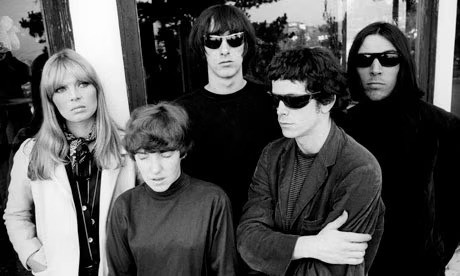
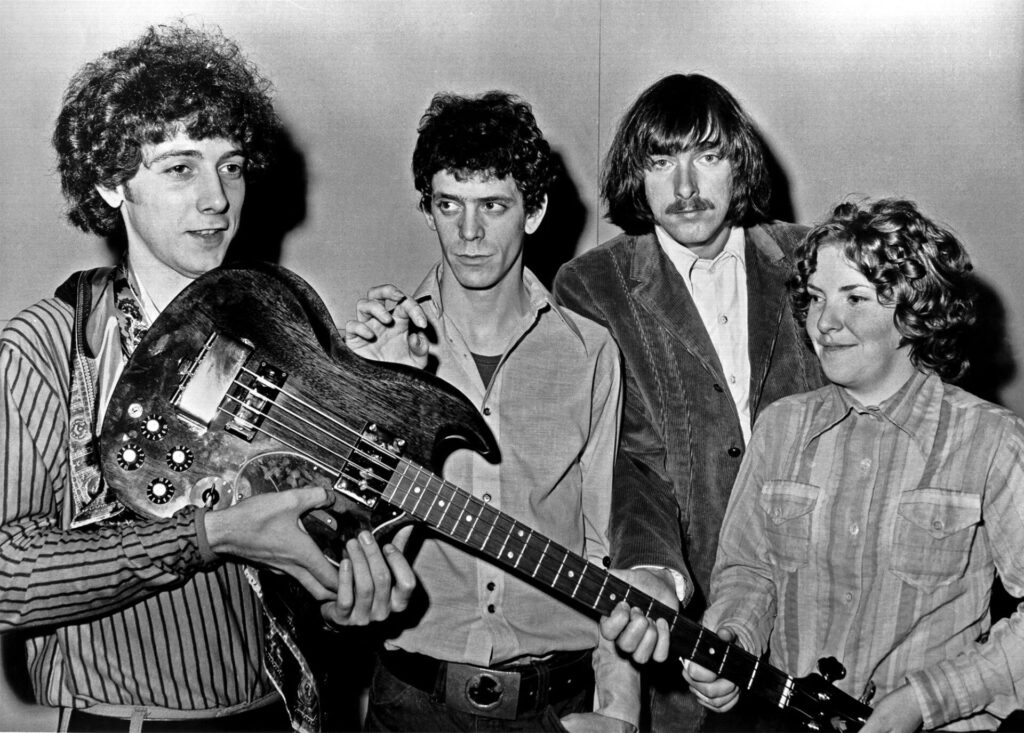
Formed in 1964, The Velvet Underground emerged from the intersection of avant-garde art and urban grit. Lou Reed, John Cale, Sterling Morrison, and Maureen “Moe” Tucker were not driven by the pursuit of chart-topping hits; they were driven by an almost obsessive desire to document life’s raw edges. Their sound was a reflection of New York itself—industrial, unpolished, and unflinchingly honest. While most bands of the era polished their image and lyrics for mass consumption, The Velvet Underground embraced dissonance, taboo subjects, and sonic experimentation. This approach would define what would much later be recognized as the spirit of alternative rock: music that existed outside mainstream expectations but resonated deeply with those willing to listen.
Lou Reed: The Poet of the Streets
Central to the band’s identity was Lou Reed, whose songwriting brought the grit and darkness of urban life into rock music. His lyrics were intimate and confessional, exploring themes like addiction, sexuality, alienation, and the underbelly of New York City. Songs like “Heroin” and “Waiting for the Man” were unsettling in their honesty, stripping away romanticized notions of the world in favor of a stark, often uncomfortable realism. Reed’s influence on alternative rock cannot be overstated. By proving that rock could tell difficult, complex stories without sugarcoating, he opened the door for countless artists to explore personal and societal darkness in their music.
John Cale and the Art of Noise
While Reed anchored the band with his lyrical realism, John Cale pushed the sonic boundaries of rock music. Classically trained and steeped in avant-garde techniques, Cale introduced elements of minimalism, drone, and experimental noise into the band’s arrangements. His viola, electric bass, and keyboard work gave songs a tension and unpredictability that was alien to the typical rock sound of the 1960s. In essence, Cale helped create a blueprint for alternative and experimental rock bands that would follow, demonstrating that rock could be as intellectually daring and sonically adventurous as any art form.
The Warhol Connection
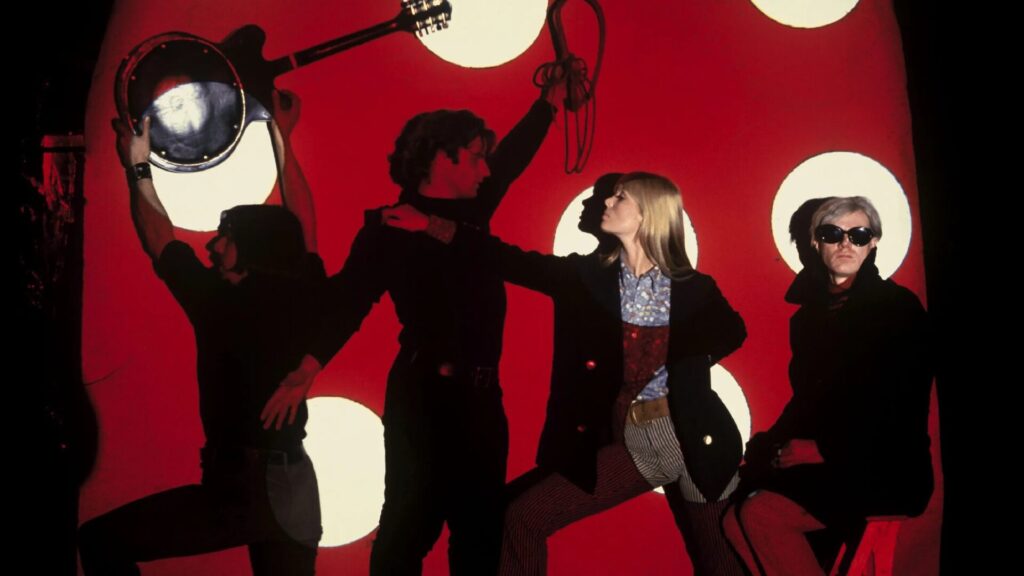
It is impossible to discuss The Velvet Underground without acknowledging their relationship with Andy Warhol, whose artistic sensibilities and cultural influence amplified the band’s visibility. Warhol introduced the band to his Factory scene, providing not only a platform but also a visual and conceptual framework that complemented their music. The collaboration with Warhol, including the iconic album cover featuring the banana, symbolized a merging of high art and raw rock energy. It positioned the band at the forefront of cultural experimentation, bridging the gap between music, visual art, and countercultural ideology. This fusion of disciplines would become a hallmark of alternative and indie rock in subsequent decades.
Sonic Innovations and the Birth of Alternative Rock
The Velvet Underground’s music was radical in its simplicity and bold in its experimentation. Unlike contemporaries who relied on complex production or polished melodies, the band often employed repetitive structures, distorted guitars, and stark dynamics to create tension and emotional resonance. The result was music that sounded immediate, lived-in, and profoundly human. Their approach directly influenced the ethos of alternative rock: a commitment to authenticity, willingness to embrace imperfection, and a refusal to conform to mainstream expectations. In many ways, their music has been cited as therapeutic for listeners, even inspiring some to seek online anxiety treatment to process emotions through sound. Bands like Sonic Youth, R.E.M., and The Smiths would later adopt these principles, channeling The Velvet Underground’s spirit while developing their own voices.
Lyrics That Confronted Reality
One of the most groundbreaking aspects of The Velvet Underground was their lyrical content. While mainstream rock often sanitized human experience, the band confronted it head-on. Their songs explored drug use, sexual complexity, urban despair, and social alienation with poetic clarity. “Pale Blue Eyes” conveyed emotional vulnerability with the same honesty as “I’m Waiting for the Man” exposed the realities of heroin addiction. By refusing to shy away from uncomfortable truths, The Velvet Underground established a precedent for alternative rock to engage with meaningful, challenging subject matter rather than mere entertainment. Much like how a skilled SMP artist in Raleigh brings precision and authenticity to their craft, the band’s honesty in songwriting created a lasting impact.
The Influence on Future Generations
Though commercially modest during their active years, The Velvet Underground’s influence grew exponentially over time. Brian Eno famously claimed that while only a few thousand people initially bought their records, “everyone who bought one of those records started a band.” The band’s willingness to experiment with sound, structure, and lyrical content inspired waves of musicians who sought authenticity over formulaic success. From punk to post-punk, indie rock, and beyond, the fingerprints of The Velvet Underground can be found across multiple generations of alternative music. Artists like David Bowie, Patti Smith, and Sonic Youth owe a debt to the band’s pioneering approach, as do countless contemporary indie acts.
Moe Tucker: Defying Rock Norms
Often overlooked in discussions of The Velvet Underground is Moe Tucker, whose drumming style redefined rhythm in rock. Eschewing traditional drum kits and techniques, Tucker played standing up, using mallets and unconventional patterns that emphasized feel over technical showmanship. Her minimalist yet powerful approach complemented the band’s experimental ethos and added a distinctive heartbeat to their music. In doing so, she helped redefine the role of rhythm in rock, proving that innovation often comes from daring to break established norms—a philosophy central to alternative rock’s identity. Her approach to creativity, whether in music or other fields like garden design in Hingham, MA, shows that thinking outside the box can transform any practice.
Legacy Beyond Fame
The Velvet Underground’s story is a testament to the idea that commercial success is not the sole measure of artistic impact. While they never achieved the chart dominance of their contemporaries, their work left an indelible mark on the cultural and musical landscape. Their albums, particularly the debut and White Light/White Heat, continue to be studied, revered, and celebrated for their courage, originality, and unwavering artistic integrity. They demonstrated that rock music could be intellectually challenging, emotionally raw, and artistically daring all at once—a blueprint that countless alternative and indie bands would follow, inspiring not only musicians but entire generations of devoted listeners. Their influence has even reached unexpected corners of culture, from fashion to nightlife, where one might stumble upon a playful reference like happy massage in Las Vegas in creative or artistic settings.
Reinventing Rock for the Future
In retrospect, The Velvet Underground’s greatest achievement lies not in any single song or album, but in the ethos they embodied. They redefined what rock music could be, proving that it could confront darkness, experiment with form, and still resonate deeply with listeners. Every distorted guitar riff, every dissonant note, every candid lyric contributed to a new way of understanding rock—a blueprint for alternative music long before the genre had a name. Their influence is not only historical but ongoing, as bands continue to draw inspiration from their fearless approach to music-making. Much like how people seek guidance from a trusted family law firm in Kelowna, artists and listeners alike continue to turn to the Velvet Underground’s work for direction and insight.
Conclusion
The Velvet Underground was more than just a band; they were a seismic shift in the understanding of what rock could express. By fusing urban realism, avant-garde experimentation, and poetic storytelling, they created a sound that was at once raw and visionary. They invented alternative rock not as a commercial strategy but as a natural extension of their artistic and human truths. Decades later, their music still feels urgent, relevant, and transformative, a testament to a band that refused to compromise and, in doing so, changed the course of rock music forever. Their legacy reminds us that true innovation often thrives on the margins, far from the spotlight, in the spaces where honesty and art collide, and that the courage to challenge norms can create a cultural impact that lasts for generations.