The music industry has seen significant evolution over the years, with genres rising and falling in popularity. In particular, rock music—once the dominant force in American music culture—has been challenged by other genres like hip hop, pop, and electronic music in recent decades. The question that arises for many music lovers, fans, and musicians is whether rock music is still alive today. While it may not command the same mainstream attention it once did, the American rock scene is far from dead. It is evolving, with new artists keeping the genre alive and transforming it into new forms that appeal to modern audiences. Let’s take a closer look at the state of rock music today and explore whether it is still thriving or simply a relic of the past.
The Evolution of Rock Music: From Glory Days to New Horizons
Rock music has its roots deep in the cultural shifts of the 20th century. Emerging from blues, jazz, and country music, rock evolved through iconic periods such as the 1960s and 1970s when bands like The Beatles, The Rolling Stones, and Led Zeppelin redefined the genre. This period, often considered the golden age of rock music, produced timeless classics that continue to influence musicians today. The 1980s saw the rise of hair metal bands like Motley Crue and Guns N’ Roses, while the 1990s witnessed the grunge movement with Nirvana, Pearl Jam, and Soundgarden bringing an edgier, more raw sound to the genre.
However, by the early 2000s, the dominance of rock began to fade as other genres—particularly pop and hip-hop—took center stage. The internet age, with streaming platforms and digital music, radically altered how music was consumed, and listeners’ tastes shifted accordingly. Rock music, once the cultural heartbeat of youth, no longer seemed to resonate with the younger generation in the same way it once did. Still, rock did not disappear. It adapted, fused with other genres, and became fragmented, but its influence continues to pulse through modern music. Bands are now blending rock with electronic elements, indie, punk, metal, and even folk influences, creating an exciting new wave of sounds that are anything but outdated.
The current rock scene may not dominate the charts like it did in its heyday, but it is alive and well in niche spaces, live shows, and alternative communities. The rise of smaller, more intimate venues, underground festivals, and dedicated subcultures like indie rock and metal ensures that there is still a thriving audience for the genre. Moreover, the accessibility of modern recording technologies has enabled young bands to create, produce, and distribute their music with more freedom and fewer barriers than ever before, helping rock maintain a presence in the modern musical landscape. A great example of rock culture blending with purpose-driven fashion is the growing popularity of veteran made apparel.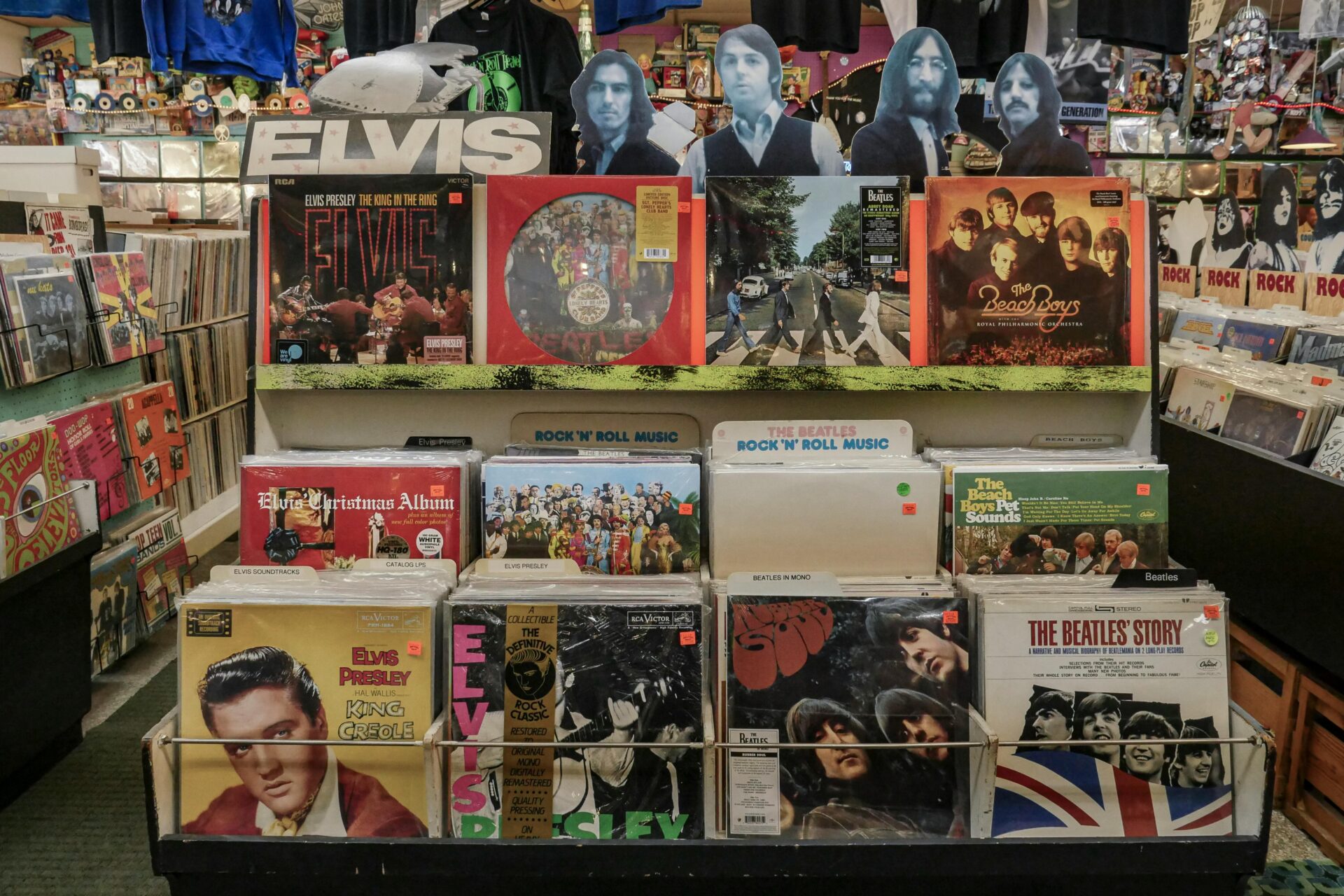
The Shift in Audience and Fanbase: Rock’s Niche Appeal
While rock music’s mainstream audience has shifted significantly, it has found a loyal fanbase among people who appreciate the authenticity and energy that rock provides. In the past, rock was a universal genre that transcended boundaries. Bands like U2, The Rolling Stones, and Queen attracted massive global audiences. Today, however, the rock fanbase has become more fragmented, with specific subgenres appealing to distinct groups of people. Hard rock, metal, alternative, indie, and garage rock are just some of the subgenres that continue to thrive, each attracting its own dedicated following. A similar sense of passion and commitment can be seen in those choosing quality home upgrades like aluminum fence installation in Tennessee.
One of the most fascinating aspects of the current American rock scene is the resilience of the live concert experience. While streaming has reshaped how people consume music, the experience of going to a live rock show remains unmatched for many fans. In fact, for many rock bands, live performances are often their primary source of income, especially as revenue from recorded music has declined due to streaming. Fans are willing to pay top dollar to see their favorite bands perform live, where the raw energy and connection with the audience is palpable. The live music scene has allowed rock to carve out a niche for itself, with major rock festivals like Lollapalooza, Coachella, and Bonnaroo showcasing new and veteran rock bands alike. A growing part of this success is supported by strategic network planning in San Antonio.
The younger generations of rock fans often gravitate toward bands that carry the torch of the past while pushing the boundaries of the genre. Groups like Greta Van Fleet have drawn comparisons to Led Zeppelin, bridging the gap between classic rock and modern rock sensibilities. Meanwhile, newer indie bands like Tame Impala, The Strokes, and Arctic Monkeys mix rock with electronic and psychedelic influences, proving that the genre is far from static. These artists showcase that rock is still a vessel for creative expression, even if the style and sound have evolved.
Rock Music in the Digital Era: Streaming and Social Media’s Impact
In the digital age, the way rock music is consumed has undergone a major transformation. Gone are the days when physical album sales and radio play were the primary avenues for discovering new music. Today, platforms like Spotify, Apple Music, YouTube, and SoundCloud dominate the musical landscape, changing the way artists connect with their fans. Streaming services have allowed rock music to reach a wider and more global audience, but it has also led to challenges for traditional rock bands in terms of monetization and visibility.
For rock bands trying to break into the industry, the landscape is now more crowded than ever. While the rise of digital music has democratized the music scene, it has also made it harder for artists to stand out in the noise. Social media platforms like Instagram, TikTok, and Twitter play an increasingly important role in helping rock bands gain exposure. These platforms offer musicians the ability to connect directly with their fans, share snippets of music, behind-the-scenes footage, and engage in real-time conversations with listeners. Bands that can leverage these tools effectively are finding success in an ever-changing digital ecosystem. Many successful acts also celebrate their achievements with custom bulk plaques to commemorate milestones and build credibility.
Despite the challenges, the digital era has created new opportunities for rock musicians. The ability to distribute music independently has allowed many artists to thrive without the need for a major label deal. Bands can record and release albums from home studios, reaching listeners around the world with a single click. The ability to self-publish has led to an explosion of rock music from a variety of subgenres, with independent bands flourishing in the digital space. These new platforms allow fans to discover niche rock acts that they might not have encountered in the mainstream media. For those looking to explore Key West in a fun and convenient way, scooter rental in Key West offers a fantastic option.
The Influence of Rock on Other Genres: A Legacy that Lives On
While rock may not dominate the airwaves in the same way it did during its peak, its influence can still be felt across many genres of modern music. Artists in hip hop, pop, and electronic music frequently draw inspiration from rock’s rebellious spirit, its attitude, and its distinctive sound. The influence of classic rock guitar riffs, powerful vocals, and raw energy can be found in the music of contemporary pop-punk bands, alt-pop artists, and even within certain hip hop tracks that sample guitar-heavy sounds. If you’re in need of top-notch vehicle maintenance, consider trusted windshield repair services in Orange County for all your repair needs.
The fusion of rock with other genres has created some of the most exciting new sounds in music today. For example, artists like Billie Eilish, Twenty One Pilots, and Lil Peep blend rock with pop, rap, and electronic elements, offering a fresh take on the traditional rock formula. These artists have found widespread popularity, with their music resonating with a younger, more diverse audience. Through these hybrid genres, rock maintains its relevance while adapting to the tastes of contemporary listeners.
Additionally, many of the core elements of rock music—such as emotional lyrics, the use of live instruments, and the sense of authenticity—continue to influence music-making in other genres.
Is Rock Music Still Alive? A Resounding Yes
Despite all the changes that have taken place in the music industry, rock music is not dead. It is simply evolving. While it may no longer be the mainstream force it once was, the genre has maintained its relevance through an ever-expanding subculture and its ability to adapt to changing times. Whether it’s through smaller live shows, streaming platforms, social media, or fusions with other genres, rock continues to find ways to connect with listeners and offer something of substance. For those looking to protect their business while on the road, owner operator truck insurance in Tennessee is a great option to ensure coverage and peace of mind.
Young bands are still drawn to the genre’s energy, its rebellion, and its authenticity. The rise of garage bands, indie rock acts, and alternative groups has brought a new generation of musicians into the fold, ensuring that rock remains alive and evolving. The spirit of rock—its freedom, its defiance, and its raw expression—continues to inspire artists around the world. While the genre may no longer dominate the mainstream airwaves, it is far from being buried by newer trends. If you’re looking to start your own venue or upgrade your current setup, consider exploring restaurant equipment in Tampa.
The question of whether rock music is still alive is, at its heart, about perspective. If you measure its health by its presence in the charts or its dominance in pop culture, it may seem like rock is fading. But if you look at the way it continues to shape new generations of musicians, foster subcultures, and fuel live performances, the answer is clear: rock music is alive, thriving in its own way, and continues to influence modern music culture. The genre’s journey is far from over, and it remains a powerful force in the musical landscape. Similarly, when it comes to maintaining a clean and vibrant environment for businesses, commercial cleaning in Chicago, IL, ensures top-notch service and quality results.