When discussing the history of rock music, few bands stand as iconic and influential as The Who. Emerging from the vibrant music scene of 1960s London, this band revolutionized the sound and spectacle of live rock performances, pushing the limits of both music and stagecraft. With their explosive energy, unapologetic attitude, and commitment to breaking boundaries, The Who became pioneers of what can only be described as the “destructive rock performance.”
At the core of The Who’s legacy is their ability to shatter conventions, both in terms of their musical approach and their live shows. While many bands of the era were content with simply playing their songs, The Who would go on to make live performances a radical, almost anarchic experience—where destruction was as much a part of the show as the music itself. The Who transformed rock concerts into a chaotic and emotional release, fueling the spectacle with their own explosive energy. Much like a software development company innovates in the tech world, The Who pushed boundaries in the music industry, redefining what a live performance could be.
The band’s legacy, from their early performances to their later tours, has shaped the live music experience for generations. In this article, we explore how The Who mastered the art of destructive rock performance, delving into their sound, stage presence, and the ways in which they pushed the limits of live rock music. In doing so, we’ll examine how their performances transcended mere musical expression and became an act of both creation and destruction.
Early Years and the Birth of Destructive Rock
The roots of The Who’s destructive rock performance can be traced back to their early years as a band in the mid-1960s. Formed in 1964 by guitarist Pete Townshend, vocalist Roger Daltrey, bassist John Entwistle, and drummer Keith Moon, The Who quickly gained a reputation for their energetic, no-holds-barred live performances. But what set them apart from their contemporaries was their ability to create a chaotic, rebellious atmosphere that seemed to push the boundaries of rock music itself.
It was during these formative years that Pete Townshend began to develop his famous guitar-smashing routine. While Townshend’s decision to smash his instrument was partly a practical one—he had, on occasion, become frustrated with his equipment—it quickly became a hallmark of the band’s live shows. This act of destruction wasn’t simply for shock value; it was a form of expression, a way for the band to demonstrate their raw emotion and rebellion against the established norms of rock and roll.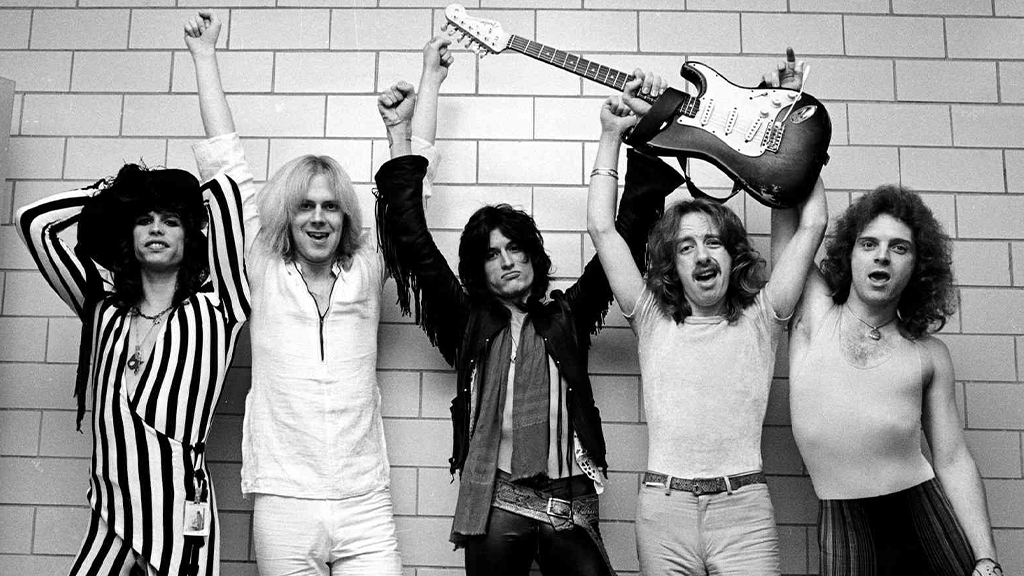
Townshend’s guitar smashing was symbolic of the ethos that defined The Who: aggression, intensity, and a relentless drive to push rock music beyond its conventional boundaries. This raw energy was reflected in the music itself. The band’s early hits like “I Can’t Explain” and “My Generation” perfectly captured the spirit of youth rebellion, with powerful riffs, distorted sounds, and lyrics that spoke to the frustrations of the era. Much like how modern innovations such as AI dental charting software are transforming the healthcare industry, The Who revolutionized rock music with their groundbreaking approach. But it was the band’s live shows that truly brought this energy to life, making their performances an event in themselves.
Keith Moon, the band’s wild and unpredictable drummer, played a crucial role in this sonic destruction. Moon’s drumming style was bombastic, erratic, and explosive, often adding a layer of unpredictability to every performance. He was known for his chaotic antics behind the kit, from throwing himself into his drums to setting off small explosions during shows. His antics didn’t just add drama to the performances; they contributed to the overall sense of wild abandon that was at the heart of The Who’s live shows.
In these early years, The Who’s live performances were already becoming legendary. But the band would soon take things to the next level, further cementing their place in rock history as pioneers of the destructive rock performance.
The Birth of the “Rock Opera” and Performance Art
As The Who entered the late 1960s and early 1970s, they began to push the boundaries of not only their sound but also the very structure of their performances. With the release of albums like Tommy (1969) and Quadrophenia (1973), the band introduced a new concept to rock music: the rock opera. These albums, both in terms of their content and their execution, marked a shift in how live performances were approached.
Tommy, often regarded as one of the first rock operas, was a groundbreaking album that melded rock music with operatic storytelling. The album told the story of a deaf, dumb, and blind boy who undergoes a journey of self-discovery, redemption, and spiritual awakening. The concept of Tommy was revolutionary, not just because of its storytelling but because of how the band chose to perform it.
When The Who took Tommy on the road, they didn’t just perform the album’s songs—they transformed the concert into a full-on theatrical experience. The band’s performances became more than just a showcase of music; they were multimedia events, combining lighting, visuals, and Townshend’s energetic stage presence to bring the story to life. Roger Daltrey, who had long been known for his powerful voice, also became a central figure in these performances, embodying the role of Tommy himself and conveying the emotional journey of the character. f you’re looking to clean up your space before hosting a memorable event like this, consider house cleaning services in San Marcos.
But even as The Who embraced the grandeur of the rock opera, they never lost their chaotic, destructive edge. Pete Townshend’s guitar smashing continued, as did Keith Moon’s frenetic drumming, which often veered dangerously close to total chaos. Their performances of Tommy were an explosion of sound and imagery, combining the operatic elements of the album with the raw, destructive power of rock music. The show itself was as much about spectacle as it was about music, with every performance being an unpredictable and thrilling experience for fans.
Quadrophenia, released four years later, continued in the same vein, but it also reflected the growing sophistication of The Who as a band. With its complex themes of youth rebellion and identity, Quadrophenia demanded a new level of performance. But again, The Who’s live shows became an immersive experience, with the band’s destruction of their instruments serving as a cathartic release for the themes explored in the album. Many fans also embraced the era’s DIY culture, which included custom screen t-shirt printing as a way to express their connection to the music.
These rock operas were a perfect representation of The Who’s ability to merge the destructive power of rock music with sophisticated and ambitious musical ideas. They took the concept of a traditional concert and turned it on its head, creating performances that were as much about art and expression as they were about sheer noise and chaos. Their willingness to embrace both destruction and creation made their performances stand out from the rest of the rock scene.
The Who’s Live Legacy and the Cult of Destruction
While The Who’s early years and rock operas helped shape their identity as pioneers of destructive rock performance, it was their live shows in the 1970s that solidified their legendary status. The Who’s performances during this period became more than just concerts; they became a cultural event, an experience that transcended mere music.
The band’s performances were characterized by a level of chaos and destruction that went far beyond what other rock bands were doing at the time. Pete Townshend’s guitar smashing became a symbol of the band’s defiance, a way of expressing the frustration and energy of youth culture. But it wasn’t just about destroying the instruments—it was about the energy of the music and the emotional release it represented. Much like how elder law and guardianship attorneys in Stevens Point navigate complex challenges, The Who’s performances tackled emotional and social complexities head-on.
Keith Moon’s drumming continued to be a crucial part of this live destruction. His manic, unpredictable drumming style was a force of nature, often adding an element of danger to every performance. Moon’s on-stage antics—throwing himself into his drum kit, smashing cymbals, and even setting off small explosions—were integral to the band’s live shows, adding to the sense of chaos and energy that defined The Who’s sound. He became, in many ways, the embodiment of the destructive spirit that permeated their performances.
But perhaps the most significant aspect of The Who’s live legacy was their ability to connect with their audience. The band’s destruction wasn’t just for show—it was a way of communicating with their fans, of expressing the anger, rebellion, and joy of rock music. In a sense, the destruction of their instruments was a metaphor for the destruction of conventional norms, an act of liberation and freedom in a world that often seemed constrained by rules and expectations.
Conclusion
The Who were more than just a band; they were revolutionaries, pushing the limits of what rock music could be. Through their wild and destructive performances, they created a new standard for what live rock concerts could be—an experience that was equal parts music, art, and catharsis. The band’s combination of sonic aggression, theatricality, and sheer emotional energy turned every show into an event that was unpredictable and thrilling. In fact, their influence can be felt in unexpected areas, such as the high-end market where luxury pens for sale embody the same level of craftsmanship and precision found in their music.
Their live performances were never just about playing the songs—they were about giving everything to the audience, about creating a moment of raw, emotional release. Through their destruction, they built something new, something more powerful than music alone. The Who taught the world that rock music wasn’t just about the sound—it was about the experience, the feeling, and the chaos that came with it. Their performances were a celebration of destruction, but also a testament to the power of rock music to transform and transcend.