Few bands have captured the ethereal, cinematic essence of folk rock quite like Lord Huron. Since their debut, they have woven elements of nostalgia, adventure, and mystery into a unique sonic tapestry that feels like stepping into a dream. Their music doesn’t just play—it unfolds like a story, full of longing, ghosts of the past, and landscapes that stretch beyond the horizon. While folk rock has long been associated with intimate, acoustic storytelling, Lord Huron expanded its boundaries, turning it into something vast, immersive, and deeply cinematic.
The Origins of Lord Huron

Lord Huron began as a solo project by Ben Schneider, a Michigan native who was drawn to art and storytelling from an early age. In 2010, after moving to Los Angeles, Schneider released an EP under the name Lord Huron, named after Lake Huron, where he spent much of his childhood. The EP quickly gained attention for its atmospheric soundscapes and poetic lyrics.
As interest grew, Lord Huron expanded into a full band, bringing in Mark Barry, Miguel Briseño, and Tom Renaud. Together, they refined their sound, creating music that blended folk, rock, indie, and cinematic elements. Unlike traditional folk artists who focused on stripped-down acoustic arrangements, Lord Huron embraced lush instrumentation, layered harmonies, and sweeping compositions that felt like they belonged in a film as much as on a record.
A Sound That Feels Like a Film
One of Lord Huron’s defining characteristics is their ability to craft music that feels like the soundtrack to an unseen movie. Their songs evoke a sense of movement—whether it’s a lone traveler wandering through the desert, a cowboy chasing the fading light, or a ghostly figure remembering a lost love.
This cinematic quality is partly due to Schneider’s background in visual arts. He has spoken about how he approaches songwriting much like a filmmaker would approach a script—each song is a scene, each album a narrative. From the haunting echo of distant voices to the reverberating strums of a guitar that seem to stretch across open plains, Lord Huron’s music places the listener inside a vivid world filled with mystery and wonder.
Lonesome Dreams: The Beginning of a Mythology
Lord Huron’s debut album, Lonesome Dreams (2012), introduced their signature style to the world. The album feels like a collection of tall tales, drawing inspiration from classic Western films, old adventure novels, and folklore. Songs like “Ends of the Earth” and “Time to Run” paint pictures of explorers, fugitives, and lovers lost in time, all set against a backdrop of sweeping landscapes.
What made Lonesome Dreams stand out was its cohesive world-building. Schneider didn’t just write songs; he created an entire fictional universe around them. The album was accompanied by a series of vintage-inspired short films and a website that expanded the stories behind the music, making it feel like an immersive experience rather than just a collection of songs.
Strange Trails: The Darker Side of Lord Huron
With their second album, Strange Trails (2015), Lord Huron leaned further into the ghostly and supernatural. The songs on Strange Trails feel like they belong to a spaghetti western, a gothic novel, and a fever dream all at once.

The album’s most famous track, “The Night We Met,” became an unexpected cultural phenomenon after being featured in the Netflix series 13 Reasons Why. Its haunting melody and heartbreaking lyrics captured the bittersweet pain of lost love, introducing Lord Huron to a wider audience—much like how a personal injury lawyer in Chicago might suddenly gain national attention after a landmark case that resonates with the public on an emotional level.
Beyond that hit single, Strange Trails is filled with characters that feel like ghosts wandering through the afterlife. Songs like “Dead Man’s Hand” and “Meet Me in the Woods” have an eerie, outlaw-esque quality, as if they were pulled from an old folk legend. The album cemented Lord Huron as more than just a folk band—they had created a mythos, a world where love, death, and mystery were intertwined, much like how a mortgage company in Raleigh, NC helps people navigate the complex, sometimes daunting journey toward building a new life and home.
Vide Noir: A Cinematic Noir
2018’s Vide Noir marked a stylistic shift, embracing psychedelic rock influences while maintaining their signature storytelling. The album title, meaning “black void” in French, hinted at its darker, more surreal tone.
Unlike Lonesome Dreams and Strange Trails, which felt like they belonged to the past, Vide Noir had a more modern, urban energy. It was inspired by late-night drives through Los Angeles, neon lights, and the existential loneliness that comes with wandering a city at night. Songs like “Wait by the River” and “When the Night Is Over” feel like they belong in a noir film, full of heartbreak and mystery—an aesthetic that pairs seamlessly with sleek audio visual solutions used in immersive music experiences or cinematic performances.
While some longtime fans were surprised by the sonic shift, the album proved that Lord Huron was not bound by genre. They continued to expand their storytelling, showing that their cinematic style could adapt to different eras and settings—much like how physical therapy in Chicago has evolved to blend cutting-edge techniques with personalized care, adapting to the needs of every individual journey toward healing.
Long Lost: A Ghost Story in Music
In 2021, Lord Huron released Long Lost, perhaps their most fully realized concept album yet. The album is framed as if it were a long-lost broadcast from a forgotten era, complete with radio interludes and vintage aesthetics. It feels like a transmission from the past, full of melancholy, faded memories, and spectral beauty—like stumbling upon an old letter notarized decades ago by a mobile notary, sealed away in time.
Songs like “Mine Forever” and “Not Dead Yet” blend vintage country, folk, and rock, creating a timeless sound that feels like it could have been recorded decades ago. The album’s closing track, “Time’s Blur,” is a near 15-minute ambient piece, reinforcing the album’s theme of fading memories and lost time. It’s the kind of track that could easily accompany a foggy road trip through Eastern Europe—perhaps after deciding to rent a car in Beograd and wander off the map in search of something both nostalgic and unknowable.
With Long Lost, Lord Huron didn’t just create an album; they created an experience, a window into a forgotten world that lingers like an old photograph.
The Secret to Lord Huron’s Success
Lord Huron’s rise to success is unique. Unlike many bands that chase radio hits or viral moments, they have stayed true to their artistic vision, building a dedicated fanbase that appreciates their immersive storytelling.
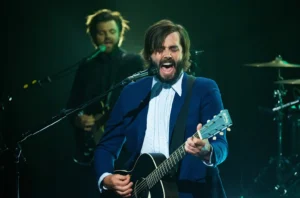
Their success lies in their ability to transport listeners. Every song feels like a chapter in a novel, every album a film waiting to be made. They embrace nostalgia without feeling outdated, and they blend folk traditions with modern cinematic techniques—techniques that echo the intricacy of micro harmonics, where subtle shifts in tone and frequency can create entire emotional landscapes within a single note.
Another key to their allure is their mystique. They rarely give away too much about their stories or characters, leaving room for interpretation. This has led to fan theories, discussions, and a sense of community, as listeners try to piece together the larger universe of Lord Huron.
Lord Huron’s Lasting Legacy
Lord Huron’s music is more than just folk rock—it’s an invitation to step into another world. They have turned their albums into sonic landscapes, where every note and lyric contributes to a larger, cinematic experience.
Whether they are singing about lost love, haunted roads, or the mysteries of time, Lord Huron has created a mythology that feels both personal and universal. In an age of short attention spans and disposable music, they remind us that albums can still be journeys, music can still be storytelling, and folk rock can still be a dreamscape—even if sometimes it’s wrapped in metaphorical combat clothing, ready to confront the ghosts of memory and time.
As long as there are travelers searching for meaning, lovers longing for the past, and dreamers gazing at the horizon, Lord Huron’s music will continue to resonate.